All the evidence shows voters want Labour to shift to the left — but initial signs from Andy Burnham are worrying on that front, cautions DIANE ABBOTT


 Latest editorial
Gutting anti-imperialism
The early US often had a far better understanding of the injustices of imperialism than their modern liberal descendants with their selective application of ‘human rights,’ writes ZOLTAN ZIGEDY


ANDY McDONALD MP says Labour must show it is capable of delivering real improvements in people’s lives — bold action is required
ANGUS REID and ANDREW JOHNSTONE report on an initiative that we must take this summer
ALLISON FEWTRELL on what Plaid Cymru's historic election victory means for the communities being failed by Wales’s housing crisis, and four things the new government can do right now
France Insoumise MP JEROME LEGAVRE speaks to Christophe Domec on building the Europe-wide peace movement that came together in the International Conference Against War last weekend
At last weekend’s International Conference Against War, LINDA PENTZ GUNTER talks to the Palestinian physician and politician about the struggles ahead to achieve a truly free Palestine





BEFORE Hobson (1902) and Lenin (1917) elaborated theories of imperialism, there was an American Anti-Imperialist League (1898).
The league’s members constituted a diverse group, ranging from left to right, radical to conservative, social worker to politician, writer to lawyer, trade union leader to monopoly capitalist.
Notables included Jane Addams, Grover Cleveland, Andrew Carnegie, John Dewey, Samuel Gompers, Henry and William James, Edgar Lee Masters and Mark Twain.

Similar stories

ISAAC SANEY points to the global stakes involved in defending the Cuban revolution against imperialism and calls for resistance
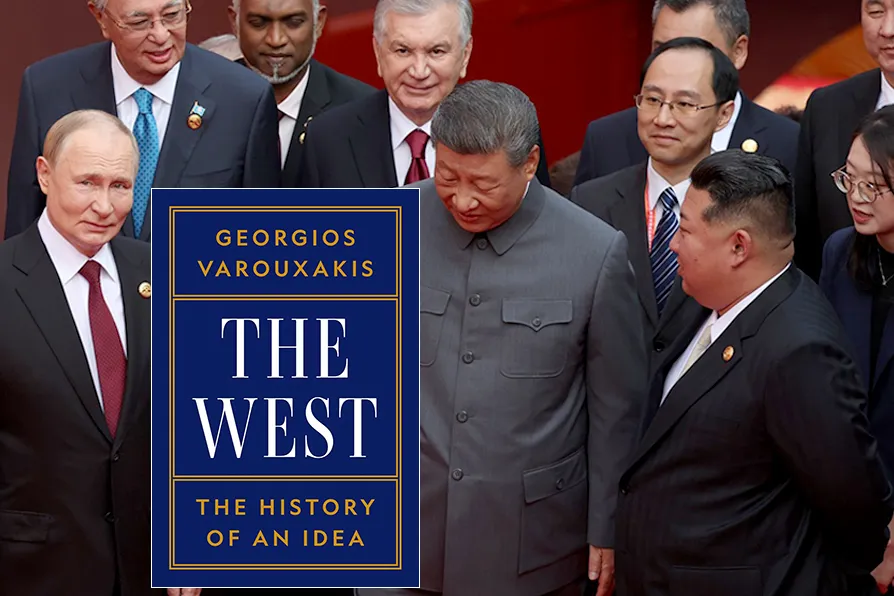
BRENT CUTLER is intrigued by the imperialist, supremacist and contradictory history of a word that is used all too easily

Starmer sabotaged Labour with his second referendum campaign, mobilising a liberal backlash that sincerely felt progressive ideals were at stake — but the EU was then and is now an entity Britain should have nothing to do with, explains NICK WRIGHT
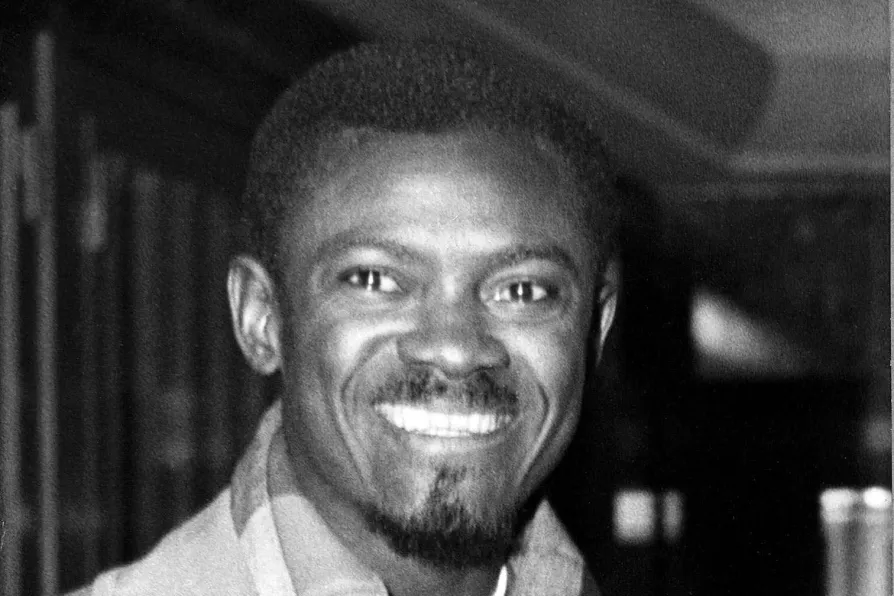
The Congolese independence leader’s uncompromising speech about 80 years of European colonial brutality and injustice went round the world in 1960, and within months, he had been executed by Belgian and CIA-backed forces, writes KEITH BARLOW