All the evidence shows voters want Labour to shift to the left — but initial signs from Andy Burnham are worrying on that front, cautions DIANE ABBOTT


 Latest editorial
Grunwick: police propaganda and government credulity
SOLOMON HUGHES has obtained the hyperbolic and paranoid police intelligence reports used to justify violence against the famous 1970s strike – disinformation seemingly swallowed whole by the then-governing Labour Party
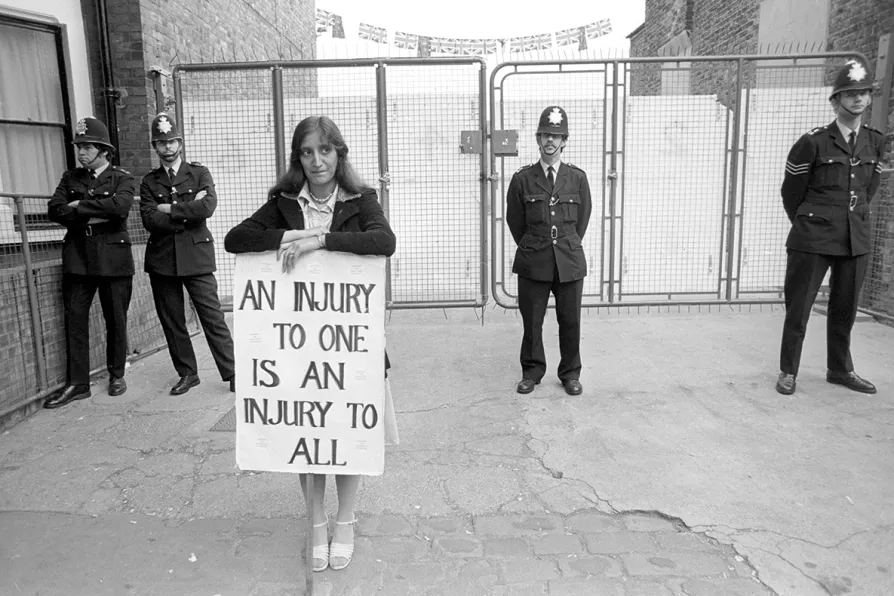 FAMOUR FIGHT: A lone picket is watched by police outside the entrance to the Grunwick film processing plant, July 1977

ANDY McDONALD MP says Labour must show it is capable of delivering real improvements in people’s lives — bold action is required
ANGUS REID and ANDREW JOHNSTONE report on an initiative that we must take this summer
ALLISON FEWTRELL on what Plaid Cymru's historic election victory means for the communities being failed by Wales’s housing crisis, and four things the new government can do right now
France Insoumise MP JEROME LEGAVRE speaks to Christophe Domec on building the Europe-wide peace movement that came together in the International Conference Against War last weekend
At last weekend’s International Conference Against War, LINDA PENTZ GUNTER talks to the Palestinian physician and politician about the struggles ahead to achieve a truly free Palestine





I HAVE been looking again through the inches-thick government papers on the 1976-78 Grunwick strike because they give clues to how Labour governments can respond to big strikes.
The papers show that the police carried out intense political surveillance of the strike. They filed reports full of both detail and absurd rumours — like their fears of trade unionists mobilising hit squads of female plumbers or schoolchildren to cause havoc — which Labour ministers accepted without question.
The Grunwick dispute started when a largely Asian workforce in a north London factory went on strike to support a sacked colleague.
Similar stories
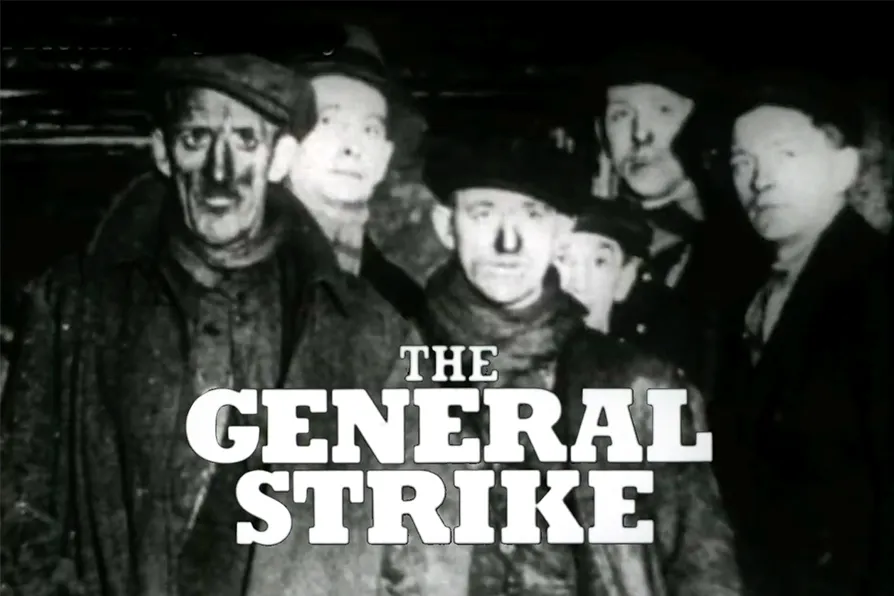
MARY DAVIS welcomes a remarkable documentary about the general strike — politically spot on, and featuring accounts from the strikers themselves — that is available for screenings
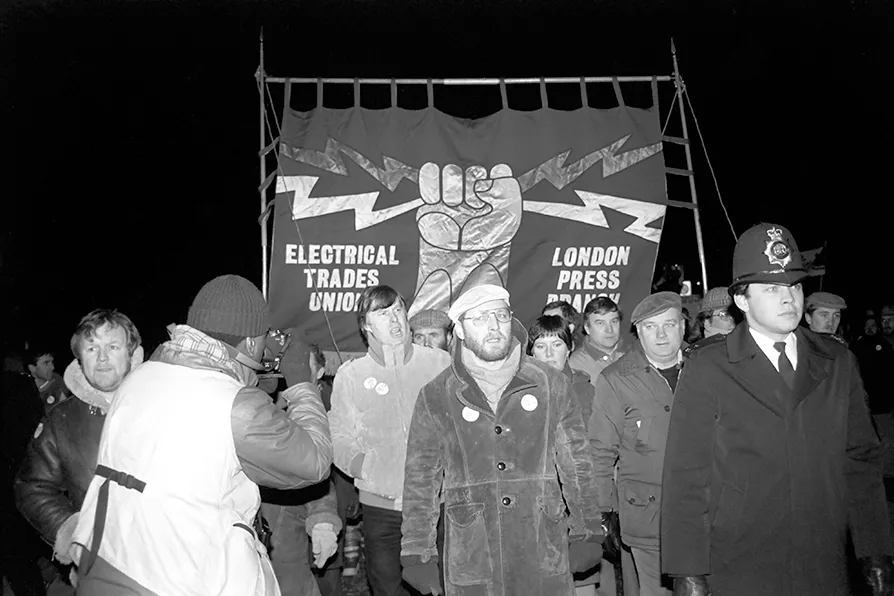
A past confrontation permanently shaped the methods the state will use to protect employers against any claims by their employees, writes MATT WRACK, but unions are readying to face the challenge
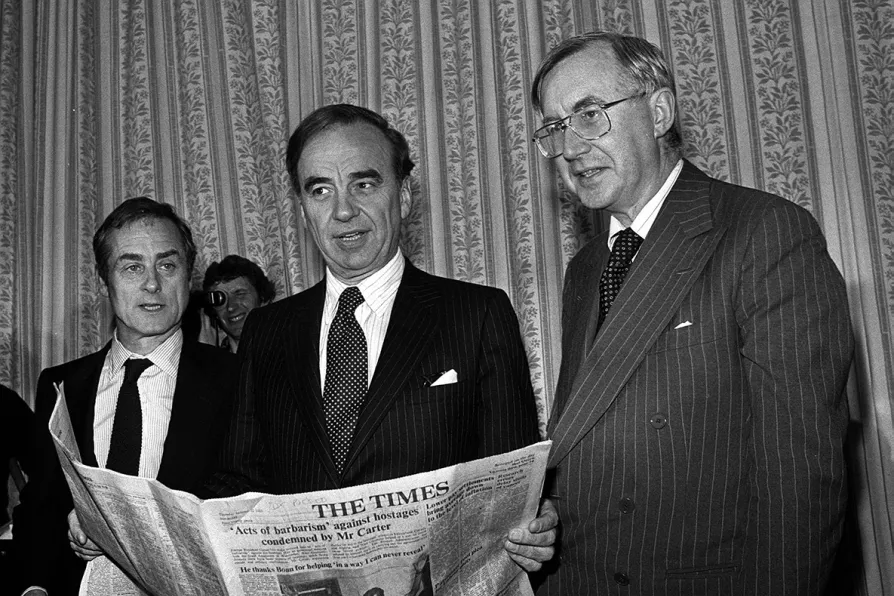
Four decades on, the Wapping dispute stands as both a heroic act of resistance and a decisive moment in the long campaign to break trade union power. Lord JOHN HENDY KC looks back on the events of 1986
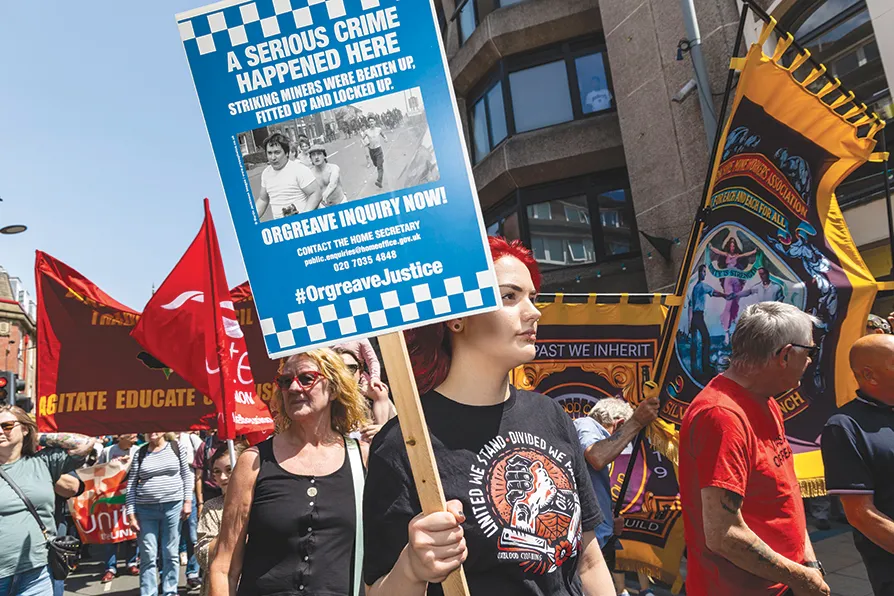
The Home Secretary’s recent letter suggests the Labour government may finally deliver on its nine-year manifesto commitment, writes KATE FLANNERY, but we must move quickly: as recently as 2024 Northumbria police destroyed miners’ strike documents