RAMZY BAROUD offers six reasons why Netanyahu is prolonging conflict in the Middle East


 Latest editorial

Exposing Colombia’s dirty counter-insurgency operations
Researcher OLIVER DODD draws on interviews and field work to look at some of the tactics that the Latin American state, with the support and guidance of the US, has used against Marxist rebels in its 50-year civil war
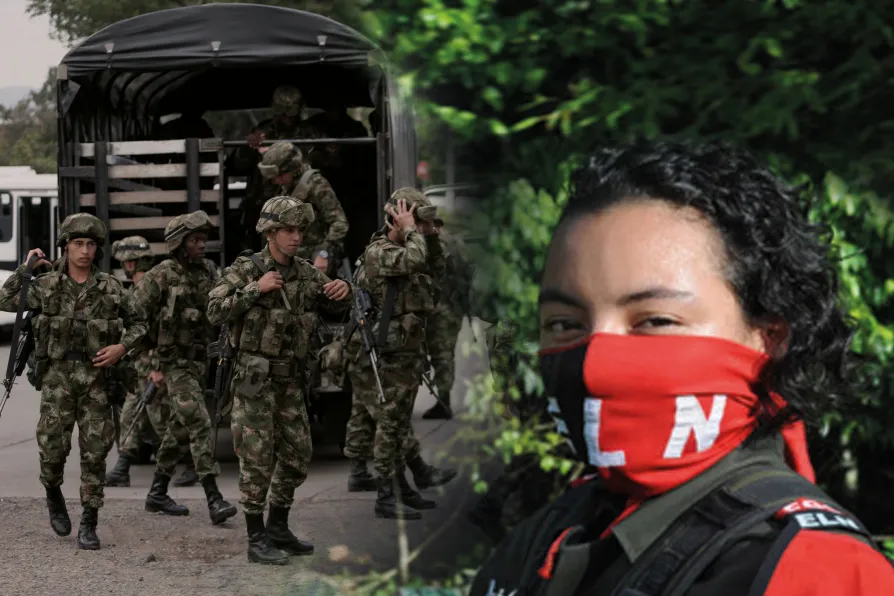 While states like Colombia, Britain and the US all proudly promote democracy and their opposition to “authoritarian” forms of government, a look at the dirty tactics they use to repress working-class resistance movements exposes this for a sham
A US onslaught of unprecedented scale has shattered Venezuelan sovereignty and exposed the fragility of the global South as Washington revives the Monroe Doctrine with overwhelming military force, write VIJAY PRASHAD and CARLOS RON
In a country torn apart by sanctions and ‘electoral warfare,’ the reality is more complex than Western headlines would have us believe, argues MARC VANDEPITTE
ALAN SIMPSON looks at the bigger issues behind Trump’s Venezuelan piracy
From the kidnapping of Maduro in Venezuela to Trump’s annexation plans for Greenland: the US is openly relying on imperialism – and paradoxically strengthening its adversaries in the process, warns SEVIM DAGDELEN
ROGER McKENZIE looks at how US doublespeak on the ‘war on drugs’ is used to camouflage its intended grab for of Latin America’s natural resources





IN the late 1990s and early 2000s when Colombia’s civil war existentially threatened capitalist interests in Latin America, the US responded with Plan Colombia — a military-oriented initiative that was aimed at addressing the growth of left-wing insurrection led by the Farc and ELN.
This initiative drew heavily on the so-called Revolution in Military Affairs (RIMA) — innovations enabling advanced weaponry, long-range precision and stealth technology: foliage-penetrating radar, sensory systems that can pick up guerilla movements in isolated locations and drones that can sit silently 24 hours a day on top of mountain ranges, undermining the traditional advantages of rural guerilla struggle.
While the more general and strategic features of counter-insurgency doctrine are well known, many of the routine day-to-day operations used by counter-insurgents are not. Counter-insurgency planners intentionally try to conceal knowledge of these tactical operations so that they can continue to prove effective.
As part of my research on Colombia’s civil war, interviews and discussions with current and former insurgents have revealed some of the most effective dirty tactics used by counter-insurgents.

Similar stories
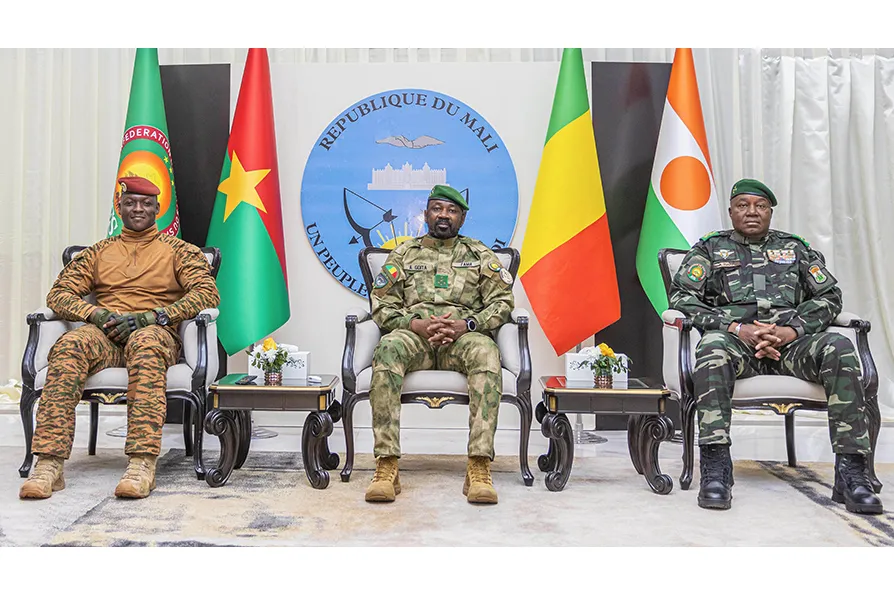
NICHOLAS MWANGI highlights a historic turning point in Sahelian sovereignty, as Burkina Faso, Mali and Niger bolstered their regional security through a unified military force
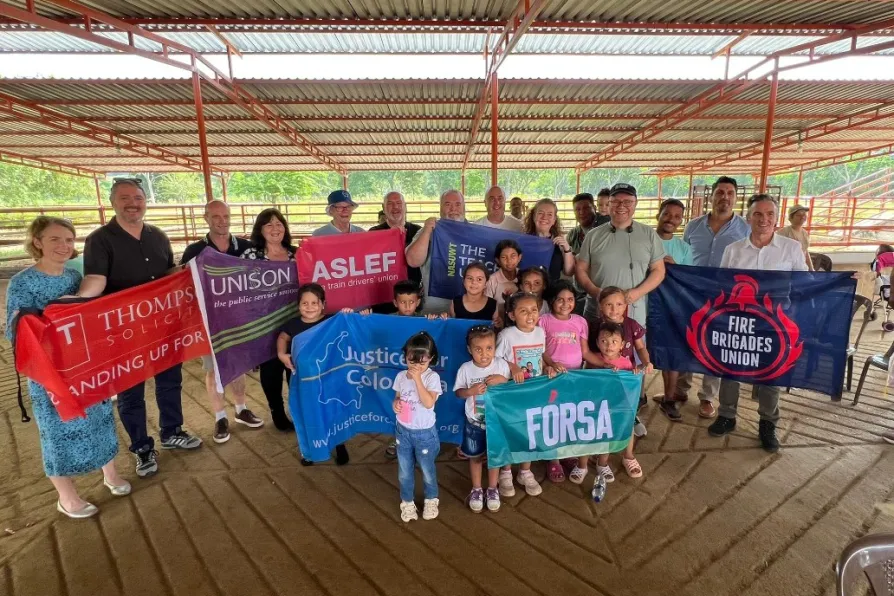
With Petro, Colombia has been making huge strides towards peace — but is all that at risk with the elections next year? MARK ROWE reports back after joining a delegation to the Latin American country