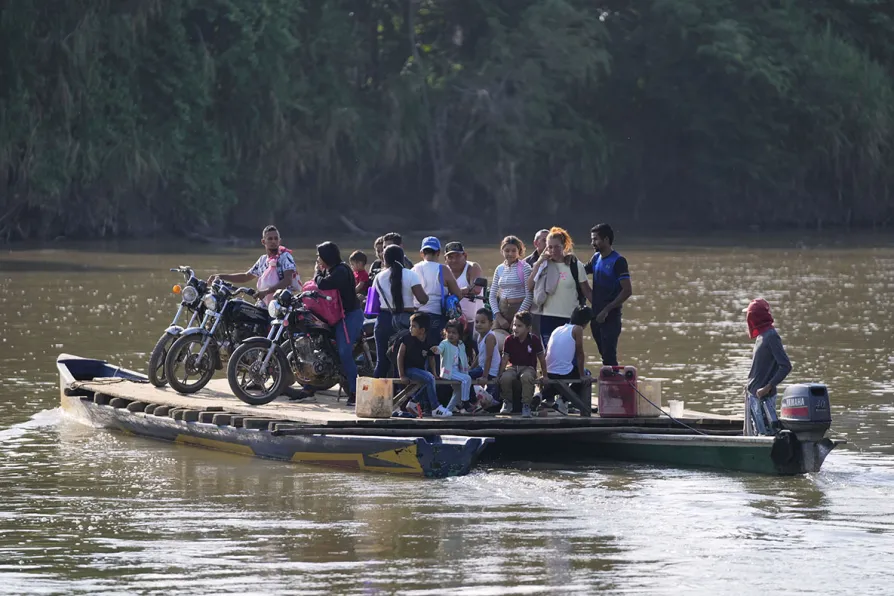
RAMZY BAROUD offers six reasons why Netanyahu is prolonging conflict in the Middle East


 Latest editorial

Colombia’s 2016 peace agreement is in crisis, despite the Farc’s commitment
Two years into a permanent ceasefire, Colombia's now unarmed Marxist revolutionaries are seeing little return for their truce – and a minority have even returned to war. OLIVER DODD reports from Colombia
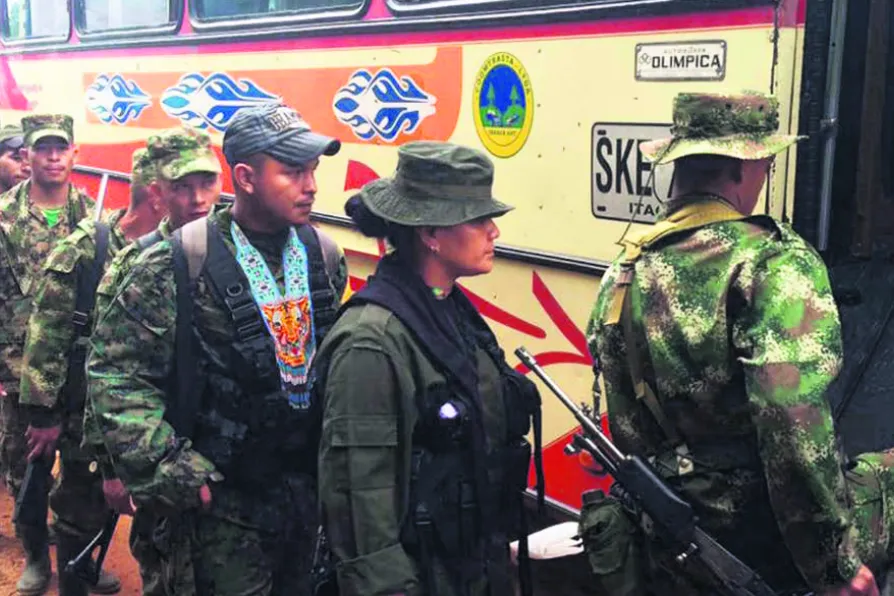 Paramilitary death squads have murdered more than 150 ex-Farc combatants, in addition to more than 500 left-wing social activists, especially trade union members, since the peace agreement was signed in 2016.
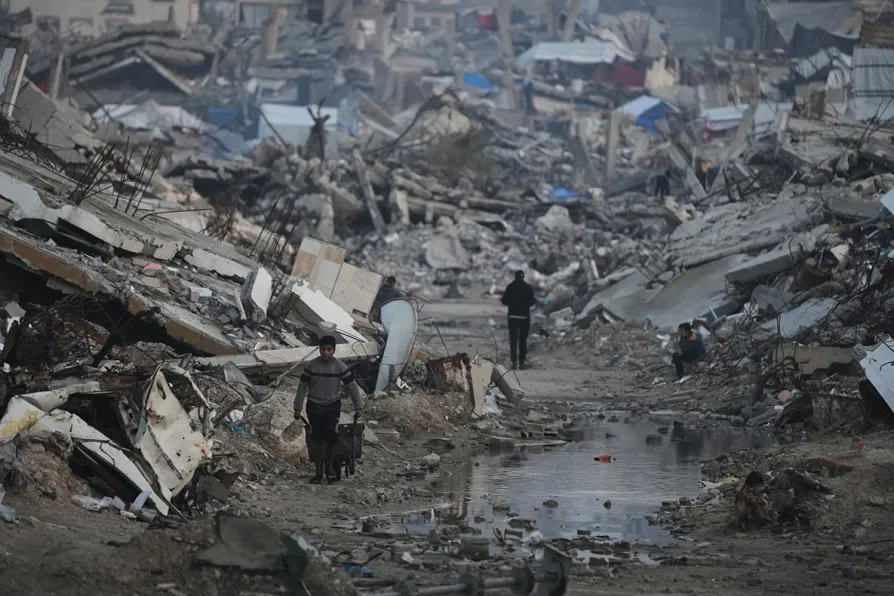
A US onslaught of unprecedented scale has shattered Venezuelan sovereignty and exposed the fragility of the global South as Washington revives the Monroe Doctrine with overwhelming military force, write VIJAY PRASHAD and CARLOS RON
In a country torn apart by sanctions and ‘electoral warfare,’ the reality is more complex than Western headlines would have us believe, argues MARC VANDEPITTE
ALAN SIMPSON looks at the bigger issues behind Trump’s Venezuelan piracy
From the kidnapping of Maduro in Venezuela to Trump’s annexation plans for Greenland: the US is openly relying on imperialism – and paradoxically strengthening its adversaries in the process, warns SEVIM DAGDELEN
ROGER McKENZIE looks at how US doublespeak on the ‘war on drugs’ is used to camouflage its intended grab for of Latin America’s natural resources





IN 2017 Colombia’s Revolutionary Armed Forces of Colombia (Farc) gave up its weapons and began a process of demobilisation, based on a 2016 peace agreement which promised the Farc political legitimacy and protection from capitalist-backed paramilitary violence, as well as comprehensive rural reform for the benefit of peasants.
Highlighting that the exploitation and victimisation of peasants by powerful capitalist interests, alongside gross land inequalities, explains the persistence of civil war, the peace agreement calls for the “progressive access to rural property to those who live in the countryside, and in particular, to rural women and to the most vulnerable communities, and by legalising and democratising property and promoting broader ownership of land, so that it fulfils its social function.”
Colombia’s land distribution is the most unequal in Latin America and, according to 2018 data, 81 per cent of land — commonly the most fertile land for production — was owned by 1 per cent of the largest farms. This is in spite of multiple land reforms passed in Congress, such as one in 2011, all of which have been progressive in theory but opposed by capitalist-oriented institutions in practice. In Colombia, “anti-restitution” paramilitaries are regularly funded by landowners to oppose the practical implementation of land reforms.

Similar stories
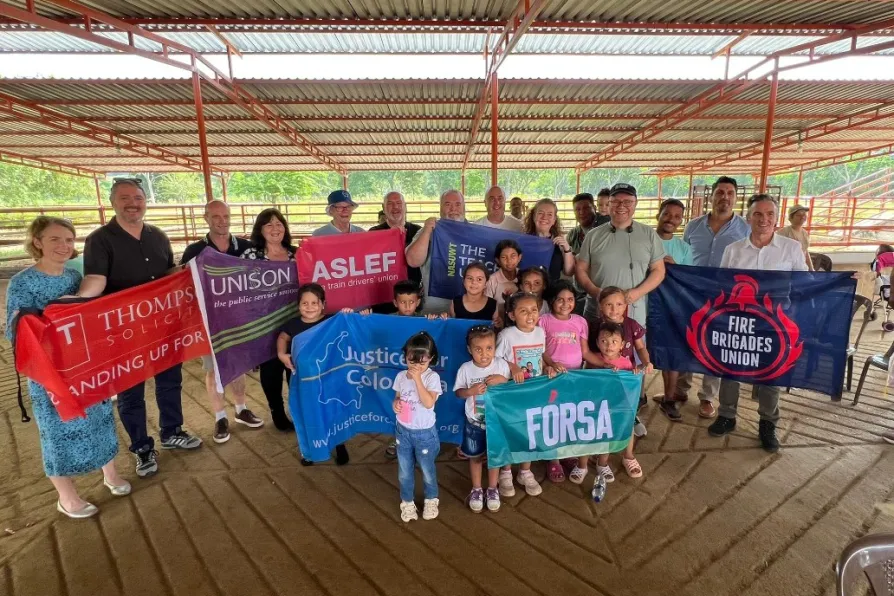
With Petro, Colombia has been making huge strides towards peace — but is all that at risk with the elections next year? MARK ROWE reports back after joining a delegation to the Latin American country
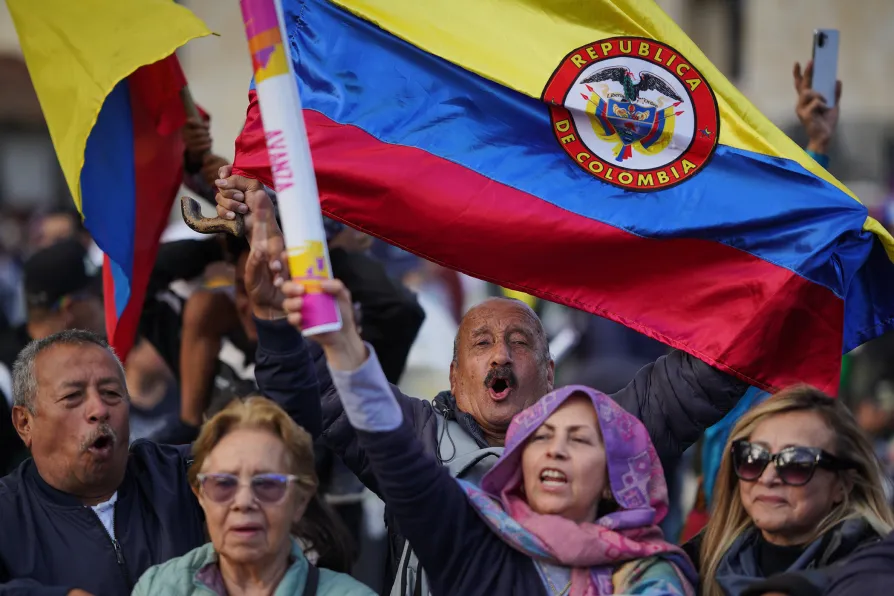
Colombia’s success in controlling the drug trade should be recognised and its sovereignty respected, argues Dr GLORY SAAVEDRA
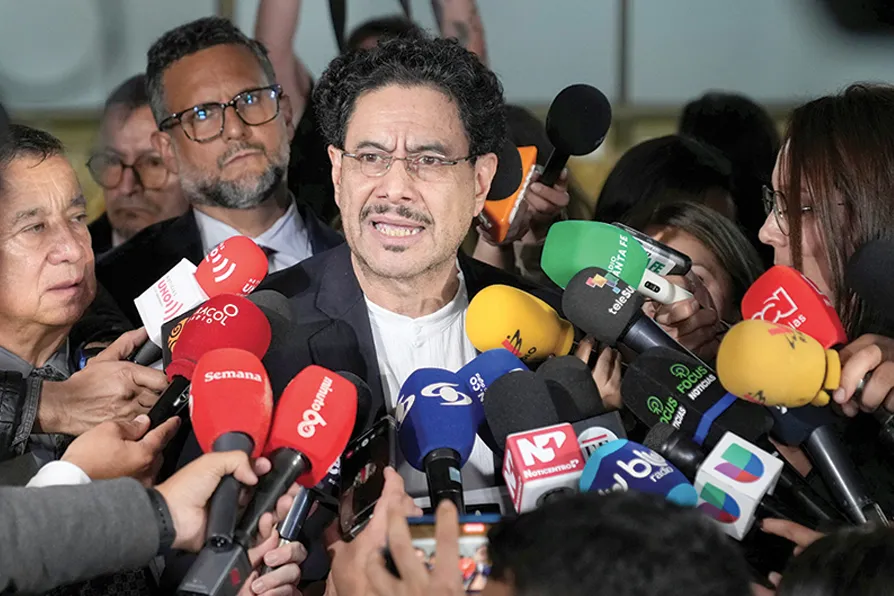
Alvaro Uribe is found guilty of witness tampering and procedural fraud, reports NICK MACWILLIAM