All the evidence shows voters want Labour to shift to the left — but initial signs from Andy Burnham are worrying on that front, cautions DIANE ABBOTT


 Latest editorial
Back to the future for Britain and the EU?
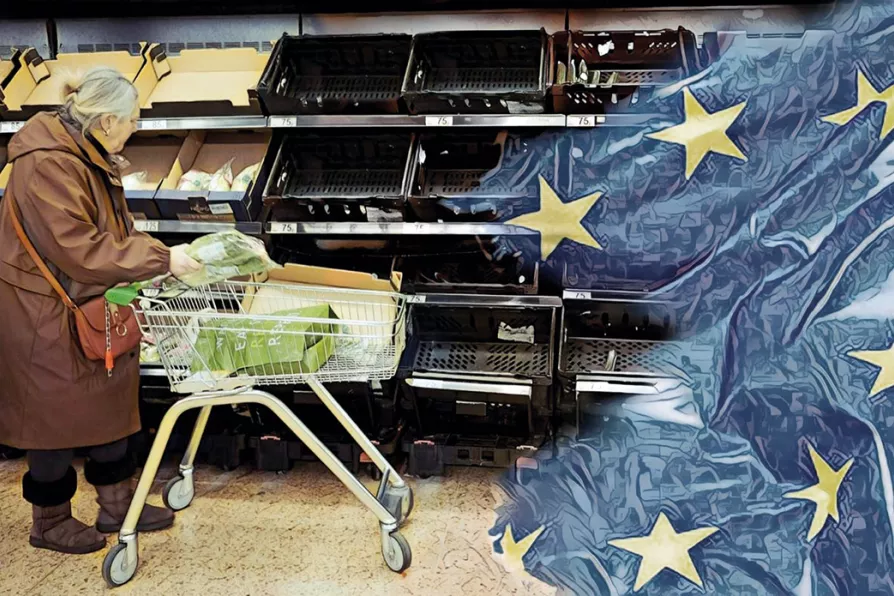
Amid shortages of certain foodstuffs, voices have been raised that a return to the EU might be desirable. BERT SCHOUWENBURG warns that the policies of the European suprastate are no panacea for Britain’s problems
ANDY McDONALD MP says Labour must show it is capable of delivering real improvements in people’s lives — bold action is required
ANGUS REID and ANDREW JOHNSTONE report on an initiative that we must take this summer
ALLISON FEWTRELL on what Plaid Cymru's historic election victory means for the communities being failed by Wales’s housing crisis, and four things the new government can do right now
France Insoumise MP JEROME LEGAVRE speaks to Christophe Domec on building the Europe-wide peace movement that came together in the International Conference Against War last weekend
At last weekend’s International Conference Against War, LINDA PENTZ GUNTER talks to the Palestinian physician and politician about the struggles ahead to achieve a truly free Palestine





LONG queues of coaches and cars trying to get onto Dover ferries and television pictures of empty shelves in British supermarkets have prompted renewed calls for Britain to rejoin the European Union.
Social media has been full of messages from enraged consumers blaming Brexit for their inability to buy tomatoes and cucumbers that are usually readily available all year round and heaping ridicule on the hapless Secretary of State for Environment, Therese Coffey for suggesting that they eat turnips instead.
Turnips aside, the claim that Brexit is responsible for the shortages is difficult to sustain. As stated in a previous issue of the Star, the principal reason for the paucity of fresh produce is British farmers’ understandable reluctance to grow crops at a loss, because of soaring energy bills combined with the supermarkets’ refusal to buy from them at a price that would at least cover their costs.
Similar stories
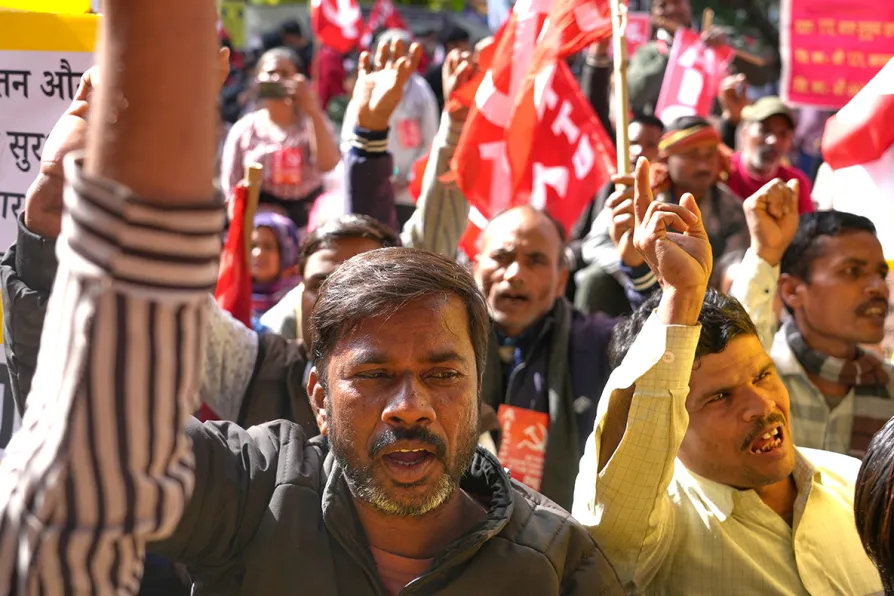
The biggest strike in global history is a template for our future. The silence tells you all you need to know, writes CLAUDIA WEBBE
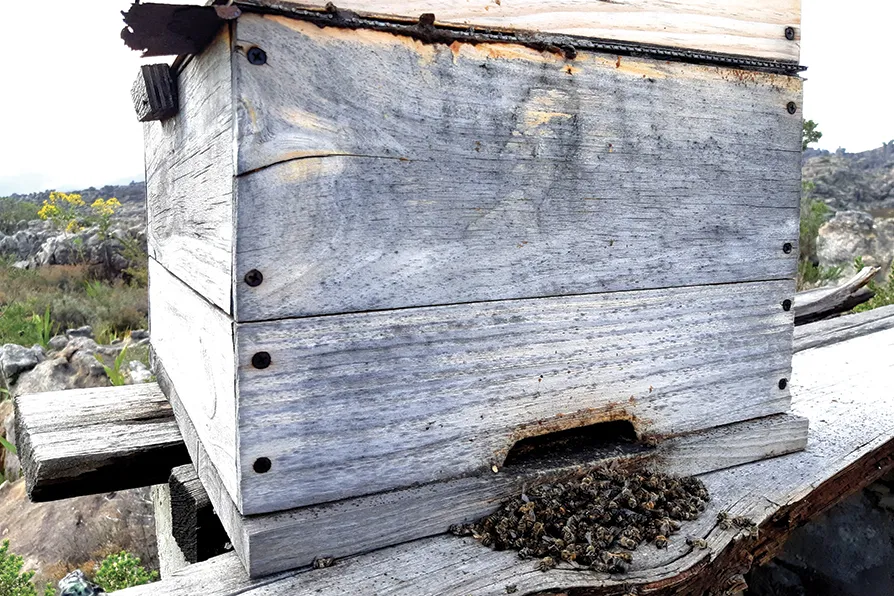
The West’s dangerous pesticide dumping in Africa is threatening biodiversity, population health and food sovereignty, argues ROGER McKENZIE
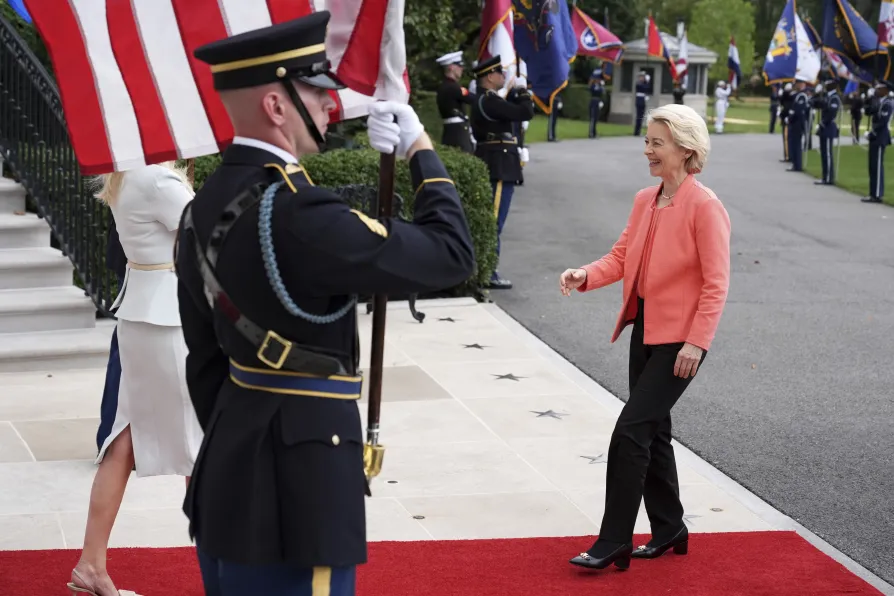
US tariffs have had Von der Leyen bowing in submission, while comments from the former European Central Bank leader call for more European political integration and less individual state sovereignty. All this adds up to more pain and austerity ahead, argues NICK WRIGHT
Starmer sabotaged Labour with his second referendum campaign, mobilising a liberal backlash that sincerely felt progressive ideals were at stake — but the EU was then and is now an entity Britain should have nothing to do with, explains NICK WRIGHT