All the evidence shows voters want Labour to shift to the left — but initial signs from Andy Burnham are worrying on that front, cautions DIANE ABBOTT


 Latest editorial
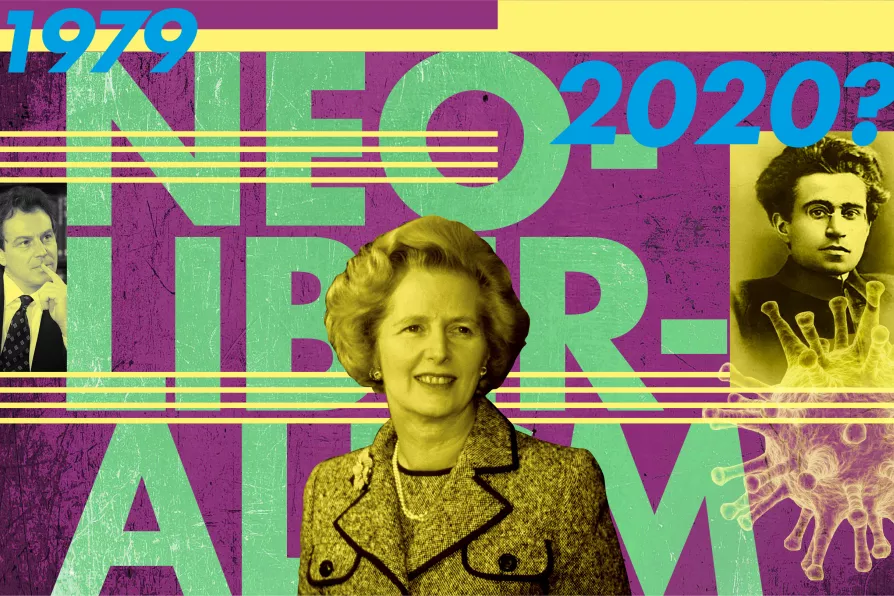
2020: Could this be the end of the era that began in 1979?
Historical eras are hard to define, but our current moment feels like one of transition — although the destination is not yet clear, argues JOE GILL

ANDY McDONALD MP says Labour must show it is capable of delivering real improvements in people’s lives — bold action is required
ANGUS REID and ANDREW JOHNSTONE report on an initiative that we must take this summer
ALLISON FEWTRELL on what Plaid Cymru's historic election victory means for the communities being failed by Wales’s housing crisis, and four things the new government can do right now
France Insoumise MP JEROME LEGAVRE speaks to Christophe Domec on building the Europe-wide peace movement that came together in the International Conference Against War last weekend
At last weekend’s International Conference Against War, LINDA PENTZ GUNTER talks to the Palestinian physician and politician about the struggles ahead to achieve a truly free Palestine





IS IT possible to recognise in the present what historians will later declare to be a moment of transition from one historical period — defined according to prevailing features in politics, economics and society — to another? Are we in such a moment now?
Periodisation of historical epochs is controversial and inexact, and traditional historians have frowned upon it. Yet economists and historians have attempted to delineate distinct periods of history.
These include Eric Hobsbawm, who wrote of the long 19th century (1789-1914), and the short 20th century (1914-1989) and economist Joseph Schumpeter, who defined the “creative destruction” theory of technological change.
Similar stories
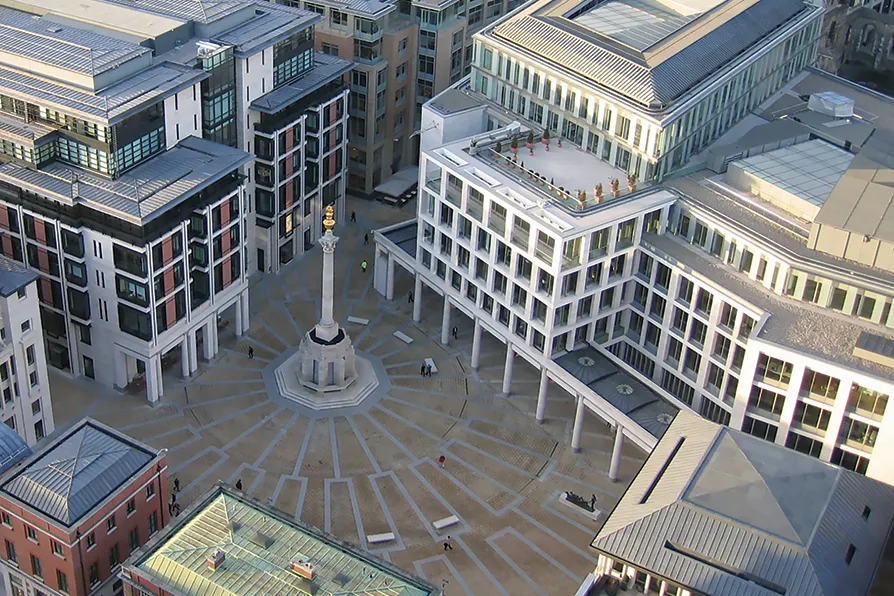
If the government really wanted to address public finances, improve living standards and begin economic recovery, it would increase its borrowing for investment, argues MICHAEL BURKE

As the dollar falters and US power turns predatory, Britain and Europe must abandon transatlantic illusions and build a collectivist alternative before the system implodes, writes ALAN SIMPSON
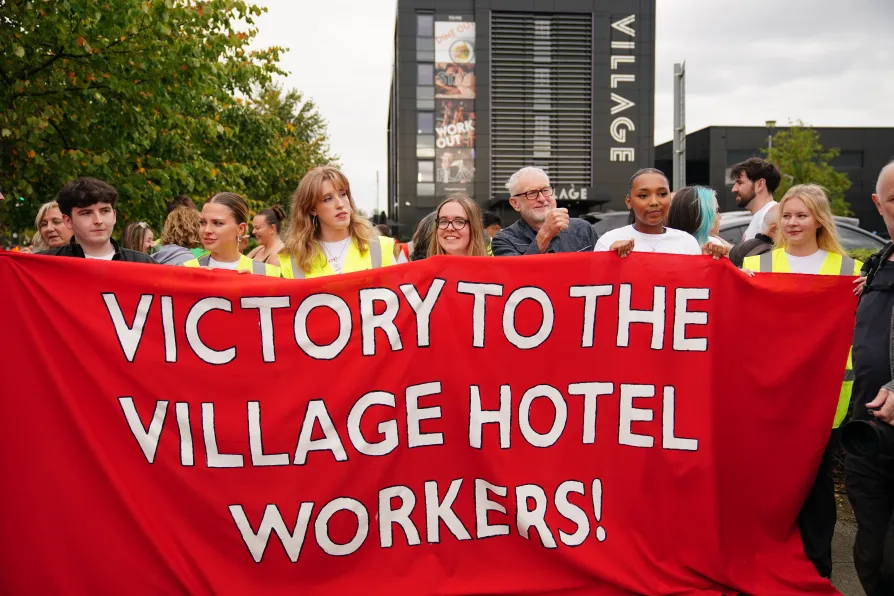
NICK TROY lauds the young staff at a hotel chain and cinema giant who are ready to take on the bosses for their rights

Deep disillusionment with the Westminster cross-party consensus means rupture with the status quo is on the cards – bringing not only opportunities but also dangers, says NICK WRIGHT