All the evidence shows voters want Labour to shift to the left — but initial signs from Andy Burnham are worrying on that front, cautions DIANE ABBOTT


 Latest editorial
Error message
An error occurred while searching, try again later.Cuba now faces an existential threat
TARIQ ANDERSON urges widespread solidarity action against US increasing intimidation
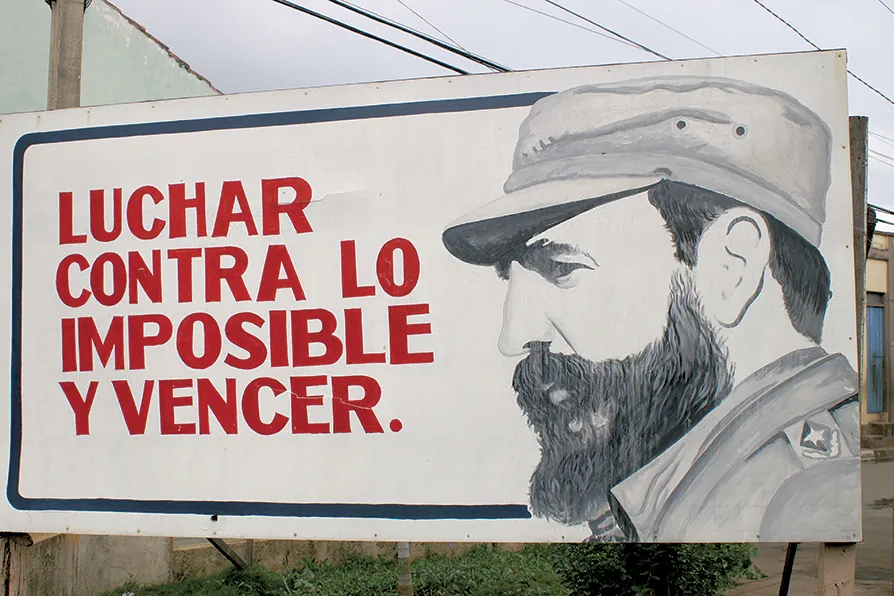 NOW MORE THAN EVER: ‘Fight against which is impossible and win’ / Pic: jim/CC
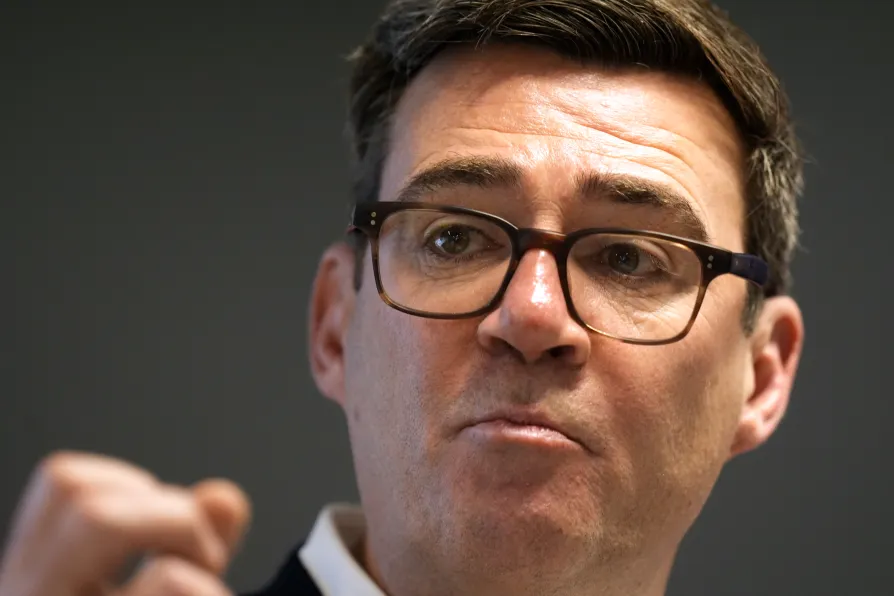
ANDY McDONALD MP says Labour must show it is capable of delivering real improvements in people’s lives — bold action is required
ANGUS REID and ANDREW JOHNSTONE report on an initiative that we must take this summer
ALLISON FEWTRELL on what Plaid Cymru's historic election victory means for the communities being failed by Wales’s housing crisis, and four things the new government can do right now
France Insoumise MP JEROME LEGAVRE speaks to Christophe Domec on building the Europe-wide peace movement that came together in the International Conference Against War last weekend
At last weekend’s International Conference Against War, LINDA PENTZ GUNTER talks to the Palestinian physician and politician about the struggles ahead to achieve a truly free Palestine




SIXTY-FOUR years ago this week, in the wake of the US imposition of the blockade and Cuba’s expulsion from the Organisation of American States (OAS), Fidel Castro Ruz took to Revolution Square to deliver the Second Declaration of Havana to a crowd of a million people.
Quoting Jose Marti, Cuba’s national hero, Fidel warned his compatriots of the danger hovering over the Americas in the form of US imperialism.
Marti saw it as his obligation to achieve Cuban independence from Spain in order to prevent the US “from extending its control over the Antilles and consequently falling with that much more force upon the countries of our America.”
Marti’s prescience was one rooted in experience. “I have lived inside the monster and I know its entrails,” he famously wrote on the eve of his death (he died in combat on May 19 1895, at the age of 42 during the battle of Dos Rios, eastern Cuba).
Marti’s writings on US imperialism and Cuban sovereignty were central to Fidel’s thinking and the very nature of the Cuban Revolution. Much more than bringing down the dictatorship of Batista, the revolution which triumphed in 1959 was about breaking from a system in which Cuba’s economy, politics and future were dictated by Washington.
For daring to insist on the full realisation of its sovereignty, Cuba has been punished for nearly seven decades.
In 2026, as we celebrate the centenary of Fidel’s birth and his enduring legacy, what we are witnessing is not new, but it is a dangerous escalation.
Since the US’s military attack on Venezuela and its kidnapping of President Nicolas Maduro and his wife Cilia Flores, Cuba has been fixed firmly in the crosshairs of the Trump administration.
Just days after the attack, Republican Senator Lindsey Graham warned that Cuba’s “days are numbered” and Trump himself threatened Cuba to “make a deal, before it is too late.”
On January 29, Donald Trump turned words into action, signing an executive order that declared Cuba an “unusual and extraordinary threat” to the national security of the US and imposing sanctions against any country that supplies oil to the island.
This is a deliberate attempt to push Cuba into a deep humanitarian crisis and pave the way for US intervention.
Cuba was already in the grip of a profound energy crisis, directly caused by the US blockade and by the 243 additional sanctions imposed during Trump’s first term — most of which were left intact by Biden. This latest act will cut off fuel supplies entirely.
Let us be absolutely clear about what that means in reality for Cubans. Food spoiling in fridges and freezers. Schools and workplaces forced to close. Fuel shortages preventing the transport of food and medicines. Hospitals without power. Emergency surgeries carried out without light. Incubators and life-support machines unable to function.
This is collective punishment and it will cost lives, something the hawks in Washington know all too well. Republican Congresswoman Maria Salazar said it plainly: the suffering that Trump’s executive order will cause to Cuban mothers and children is a price worth paying for regime change.
On Wednesday February 5, UN secretary-general Antonio Guterres warned of a humanitarian “collapse” on the island if Cuba is starved of oil.
This is why solidarity matters now more than ever and why the centenary of Fidel’s birth has taken on even greater significance. This is not just about honouring Fidel’s past and celebrating his legacy, it is about defending Cuba’s present and future.
More than 3,000 people, including over 100 MPs, trade union general secretaries and public figures, have already signed the Cuba Solidarity Campaign’s Call for Peace and Sovereignty.
In Westminster, the all-party parliamentary group on Cuba has tabled an Early Day Motion condemning Trump’s executive order and demanding the British government opposes the escalation of Trump’s war on Cuba. Twenty-seven MPs from across the house signed the motion on its first day and the Cuba Solidarity Campaign (CSC) will be organising a campaign to mobilise its supporters to call on their representatives to support it.
On Tuesday February 3, hundreds joined our emergency online rally and the message from speakers was clear: the gravity of this moment demands more from all of those who stand in solidarity with Cuba.
Cuban ambassador Ismara Vargas Walter said that “we need the world to raise its voice,” adding that “imperialism is mistaken once again, if it believes that pain will bring us to our knees.”
Newly-elected general secretary of Unison Andrea Egan implored attendees to “turn our solidarity into action, by raising our voices, mobilising our members, and demanding that the British government and the international community speak out.” Jeremy Corbyn MP called on supporters to “make sure Cuba isn’t starved into submission.”
In 2003, Fidel reminded a crowd of supporters in Buenos Aires that Cuba sends its doctors around the world, not bombs. It has resolutely stood with the oppressed of the world in the face of an unrelenting siege from the US.
We owe Cuba a debt of solidarity and there can be no greater way to honour Fidel’s legacy by building the broadest coalition possible in defence of Cuba and its people.
Sign CSC’s Call for Peace and Sovereignty at bit.ly/CSCPEACE
Support CSC’s Cuba Vive Medial Aid Appeal at bit.ly/49MLBQs
Tariq Anderson is trade union and campaigns officer at the Cuba Solidarity Campaign.