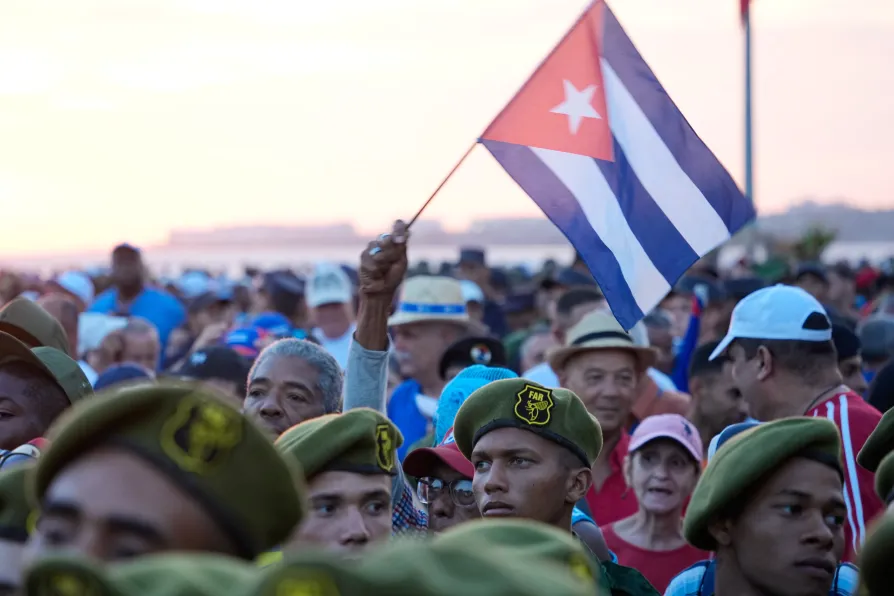
ROGER D HARRIS and SARA FLOUNDERS challenge propaganda against the blockaded socialist island


 Latest editorial

Can NGOs challenge the power of capitalism?
The Marx Memorial Library considers the role of ‘civil society’ groups in agitation for change
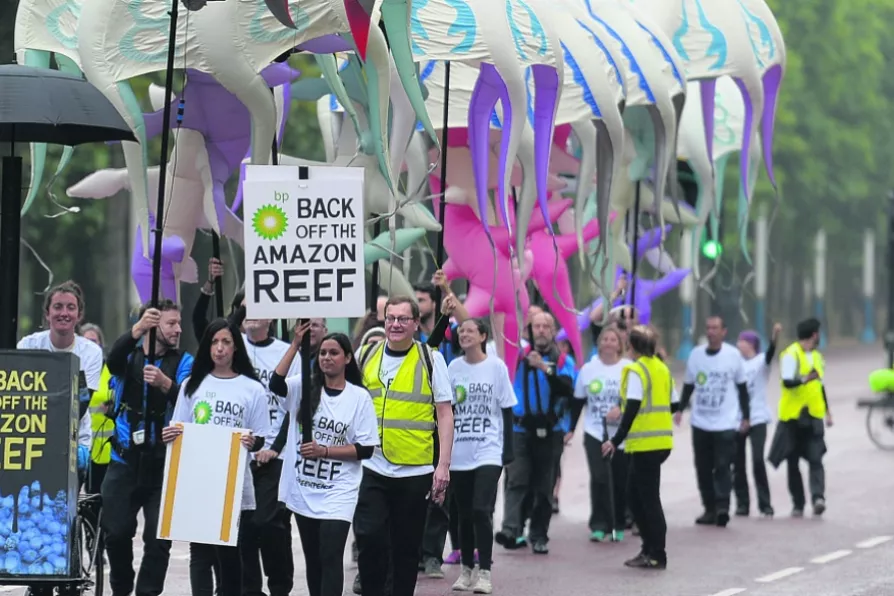 Greenpeace activists march through central London in a protest aimed at oil giant BP

Marx and Engels incorporated in their writings a critique of the way that capitalism destroys the environment but it is only in the last half century that environmental concerns have become an integral part of the fight for socialism, writes the Marx Memorial Library and Workers’ School
The racist Republican tactic of redistricting to keep Trump and his base in power is turning the clock back to the 1950s, writes LINDA PENTZ GUNTER
With a political crisis engulfing the Labour Party, the case for PR is back on the agenda. TONY BURKE argues trade unions must now engage on changes to our voting system
YVETTE WILLIAMS and JOE DELANEY dissect the institutional dawdling that rubbed salt into the Grenfell open wounds prolonging the agony of survivors
The HS2 debacle exposes what happens when public infrastructure is handed to private contractors – especially when set against China’s state-led high-speed rail success, says CARLOS MARTINEZ





VOLUNTARY organisations, especially the larger ones known as “non-governmental organisations” (NGOs), are extremely varied.
Their number and significance has grown during the development of capitalism to the degree that they are sometimes known collectively as the “third sector,” standing between private capital (manufacturing, property and finance) and the state (the military, police, infrastructure, education, the NHS and other services provided by national or local government).
The term NGO excludes trades unions, employers’ associations and other “political” organisations, as well as not-for-profit companies. NGOs today play a political role that hardly existed prior to the mid-1970s.

Similar stories

Professor MARY DAVIS argues that feminism has been hollowed out by liberal co-option – and only a revival of socialist, class-based politics can restore International Working Women’s Day’s original, radical purpose
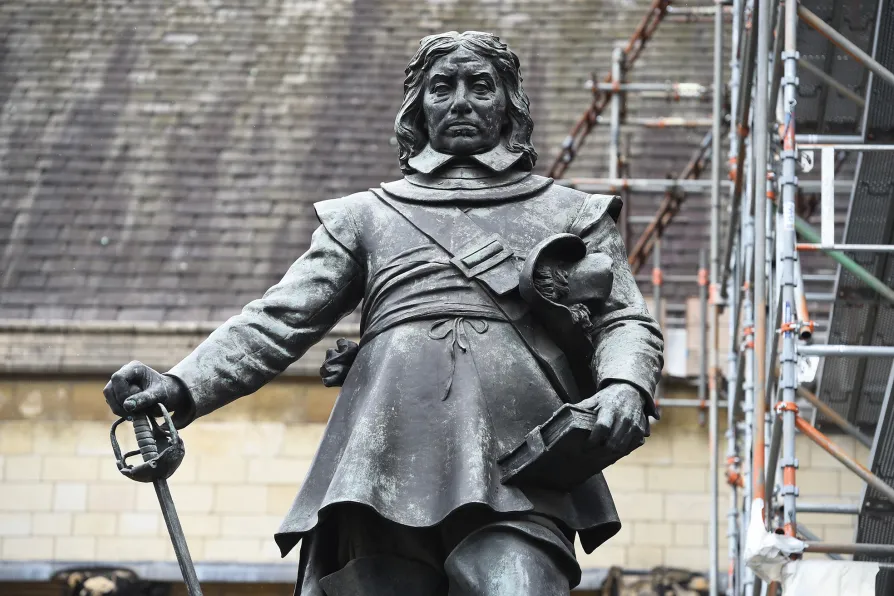
The selection, analysis and interpretation of historical ‘facts’ always takes place within a paradigm, a model of how the world works. That’s why history is always a battleground, declares the Marx Memorial Library
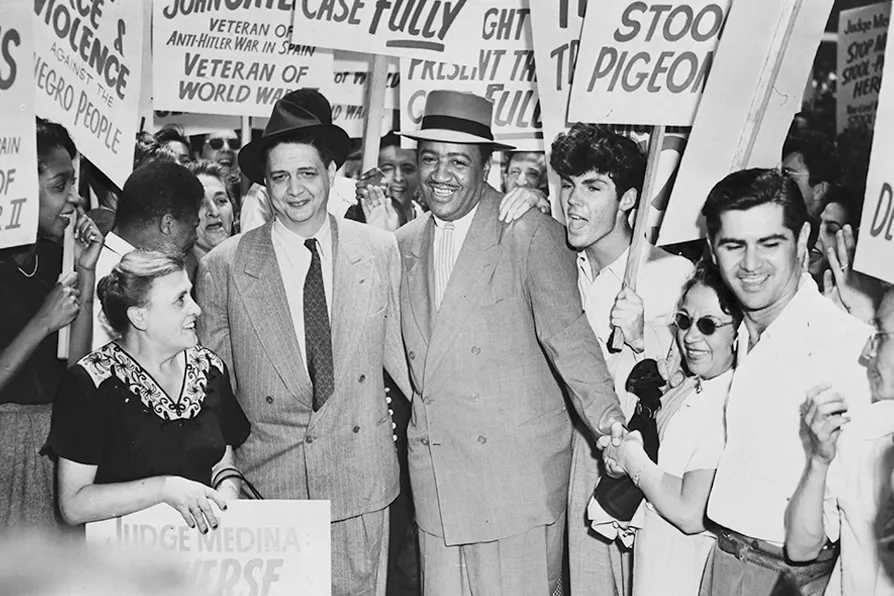
After Zohran Mamdani’s electoral win, BHABANI SHANKAR NAYAK points to the forgotten role of US communists in New York’s radical politics

Starmer sabotaged Labour with his second referendum campaign, mobilising a liberal backlash that sincerely felt progressive ideals were at stake — but the EU was then and is now an entity Britain should have nothing to do with, explains NICK WRIGHT