To rescue Kahlo from the clutches of the corporate art market, we need to acknowledge the overt and covert political dimensions of the work, demands GAVIN O’TOOLE


 Latest editorial
The long shadow of a masterpiece
JENNY FARRELL celebrates the continuing relevance of the first English-speaking playwright of proletarian origin to create world theatre
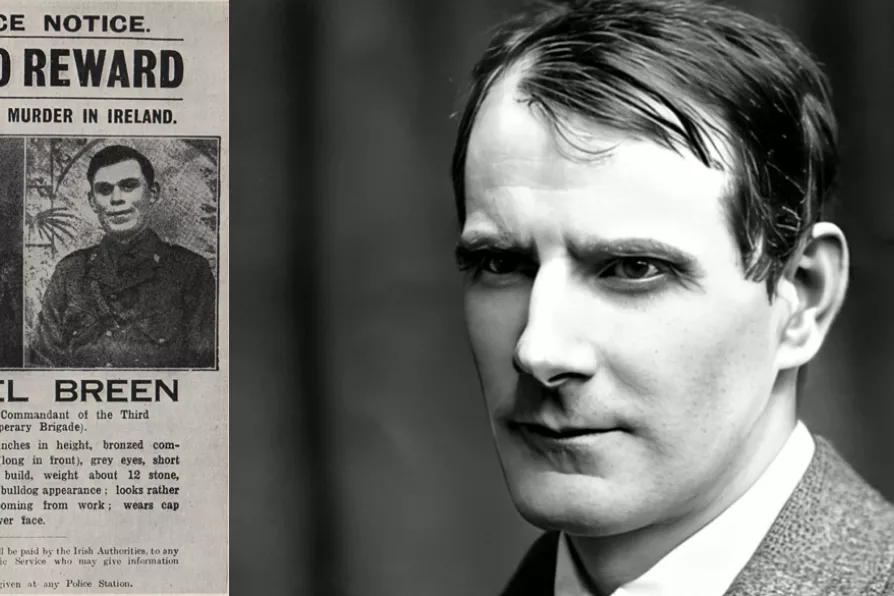 Daniel Breen, wanted for the Soloheadbeg Ambush, the incident that sparked the Irish War of Independence; Sean O’Casey, who dramatised the impact on working class people in The Shadow of a Gunman
[CeltBrowne/CC]
Daniel Breen, wanted for the Soloheadbeg Ambush, the incident that sparked the Irish War of Independence; Sean O’Casey, who dramatised the impact on working class people in The Shadow of a Gunman
[CeltBrowne/CC]
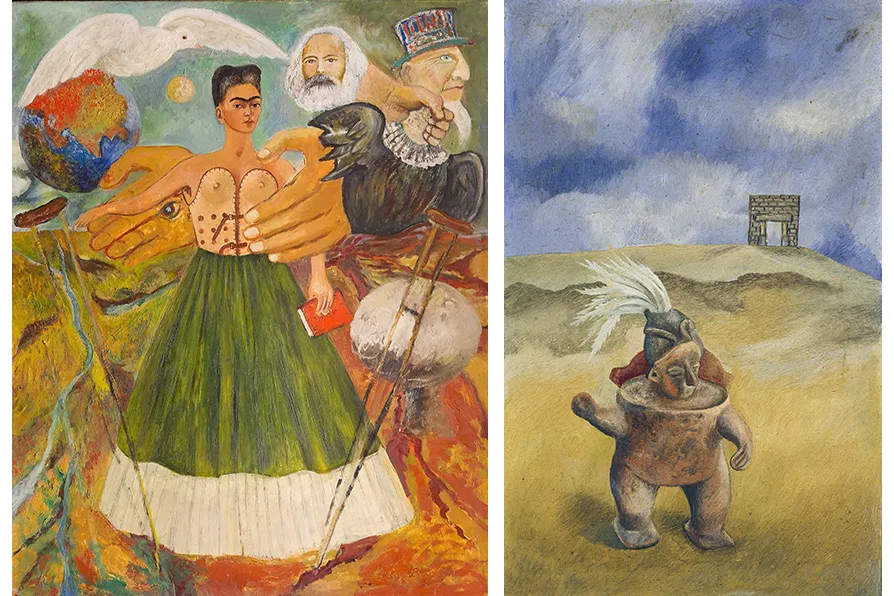
If you can see past the relentless commodification you will be rewarded by enormously powerful work, suggests JENNY MITCHELL
CHRIS SEARLE revels in the one-off collaboration between an American polymath and a British Muslim, and detects the presence of their revolutionary forebear
GORDON PARSONS revels in an ebullient production of Shakespeare’s magical comedy
BRENT CUTLER welcomes a thoughtful analysis of the Erdogan regime, viewed through the evolving history of a neighbourhood in Istanbul
GORDON PARSONS regrets the price, but is dazzled by an outstandingly ambitious study of the way art restoration in particular, and culture in general was weaponised by the Nazis





SEAN O’CASEY’s play The Shadow of a Gunman premiered 100 years ago, on April 12 1923, at Dublin’s national Irish theatre, the Abbey Theatre.
The theatre, which grew out of the Irish Renaissance movement for the renewal of Irish literature in 1904, encouraged new Irish writers and provided a platform for the exploration of progressive ideas on stage.
The Shadow of a Gunman is the first of O’Casey’s three Dublin plays, which examine the maturity and fortunes of the people at three important moments in Irish history — the Easter Rising (1916), the war of independence (1918-21), and the civil war (1922-23) — all of which O’Casey experienced.

Similar stories
The General Strike exposed the power of the working class — and the limits of its leadership, writes Dr DYLAN MURPHY
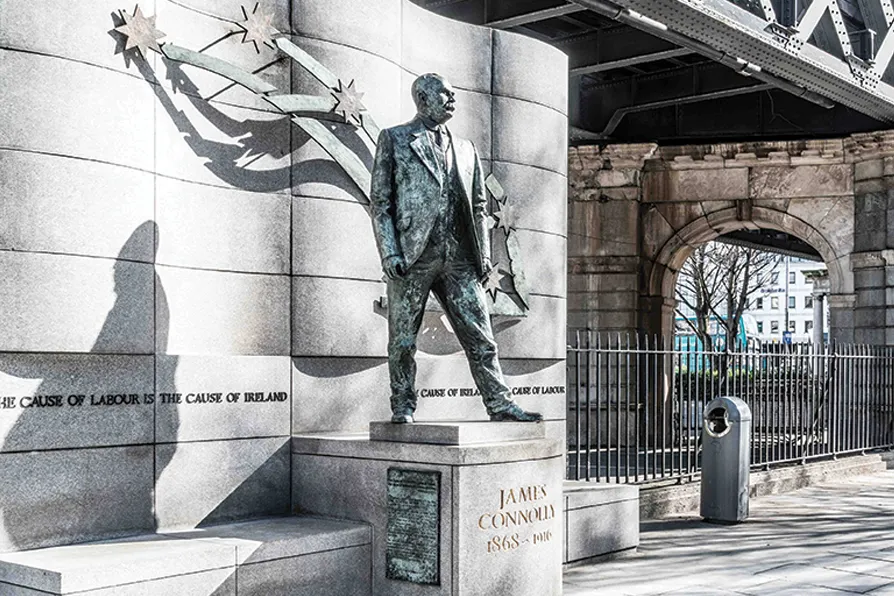
A new group within the NEU is preparing the labour movement for a conversation on Irish unity by arguing that true liberation must be rooted in working-class solidarity and anti-sectarianism, writes ROBERT POOLE
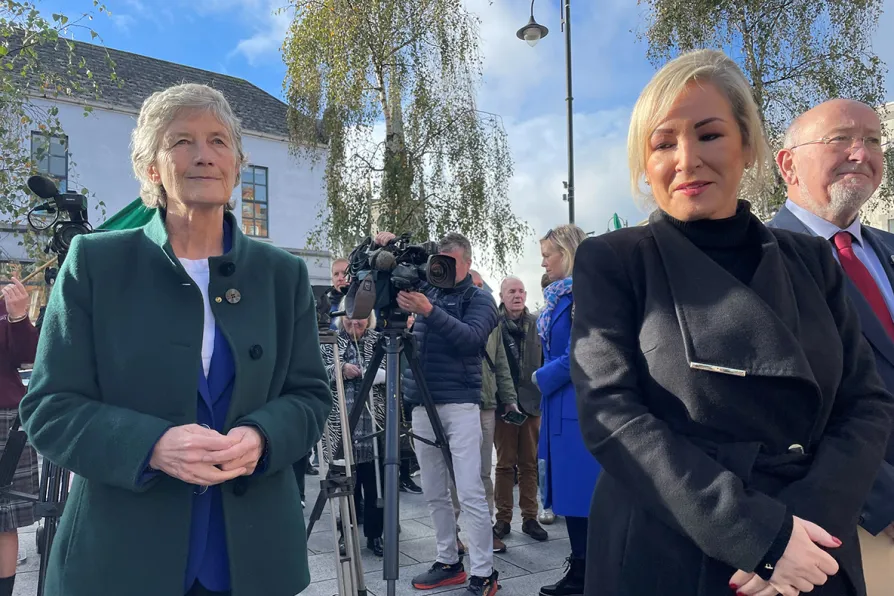
The independent TD’s campaign has put important issues like Irish reunification and military neutrality at the heart of the political conversation, argues SEAN MacBRADAIGH
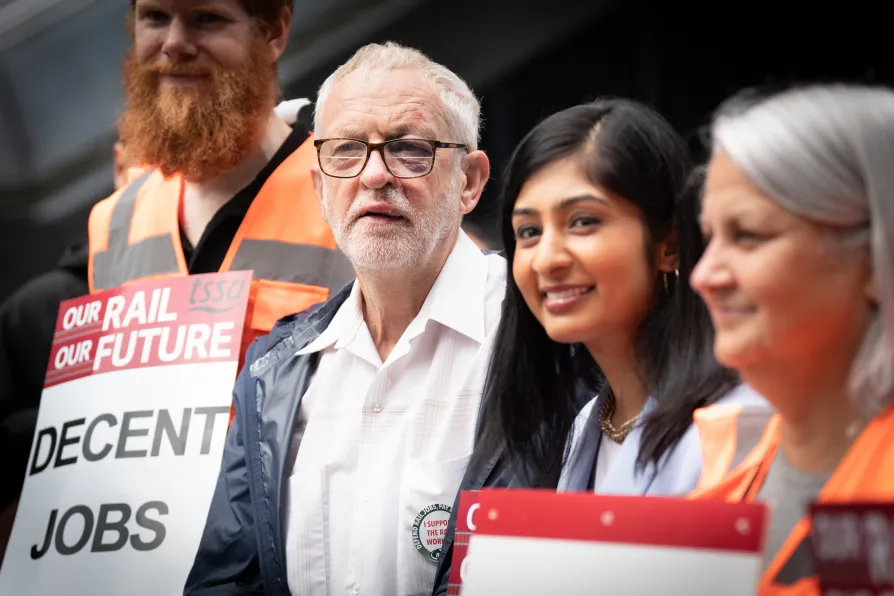
Corbyn and Sultana’s ‘Your Party’ represents the first attempt at mass socialist organisation since the CPGB’s formation in 1921, argues DYLAN MURPHY