To rescue Kahlo from the clutches of the corporate art market, we need to acknowledge the overt and covert political dimensions of the work, demands GAVIN O’TOOLE


 Latest editorial
Letters from Latin America
Fiction by Mexican authors Juan Pablo Villalobos and Fernanda Melchor and by Dominican writer and singer-songwriter Rita Indiana
 FORCE TO BE RECKONED WITH: Rita Indiana
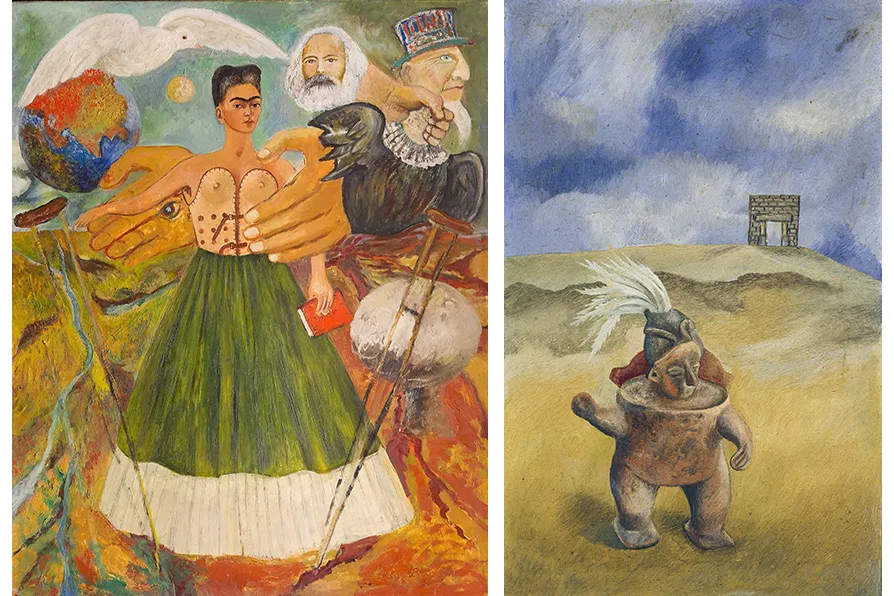
If you can see past the relentless commodification you will be rewarded by enormously powerful work, suggests JENNY MITCHELL
CHRIS SEARLE revels in the one-off collaboration between an American polymath and a British Muslim, and detects the presence of their revolutionary forebear
GORDON PARSONS revels in an ebullient production of Shakespeare’s magical comedy
BRENT CUTLER welcomes a thoughtful analysis of the Erdogan regime, viewed through the evolving history of a neighbourhood in Istanbul
GORDON PARSONS regrets the price, but is dazzled by an outstandingly ambitious study of the way art restoration in particular, and culture in general was weaponised by the Nazis





READING the Mexican writer Juan Pablo Villalobos's latest book I Don't Expect Anyone To Believe Me (And Other Stories, £11.99) is like entering into a fantastical world so powerful and mesmerising that its almost impossible to leave it.
Masterly translated by Daniel Hahn and a well-deserved winner of the prestigious Herralde Prize, the novel is as witty and entertaining as it is thought-provoking. It involves the story of desperate immigrants, literature students and violent gangsters in contemporary Barcelona. But it’s much more than that.
Villalobos is highly successful in conveying a world where endemic corruption, organised crime, state violence, the dividing line between fiction and reality and the limits of humour in literature get crazier as the story progresses.

Similar stories
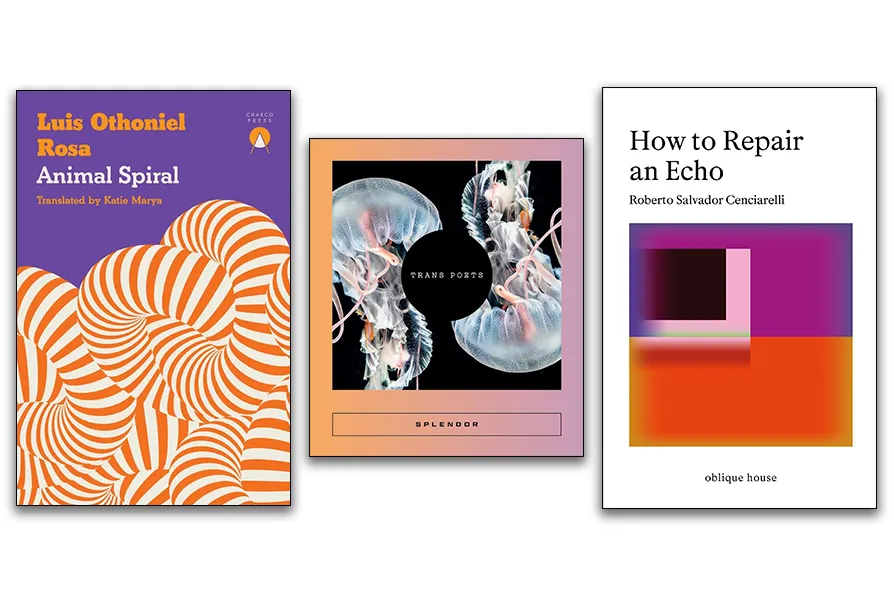
From post-human revolution in Puerto Rico to trans poetics and queer mythmaking, these three books that imagine new ways of being together
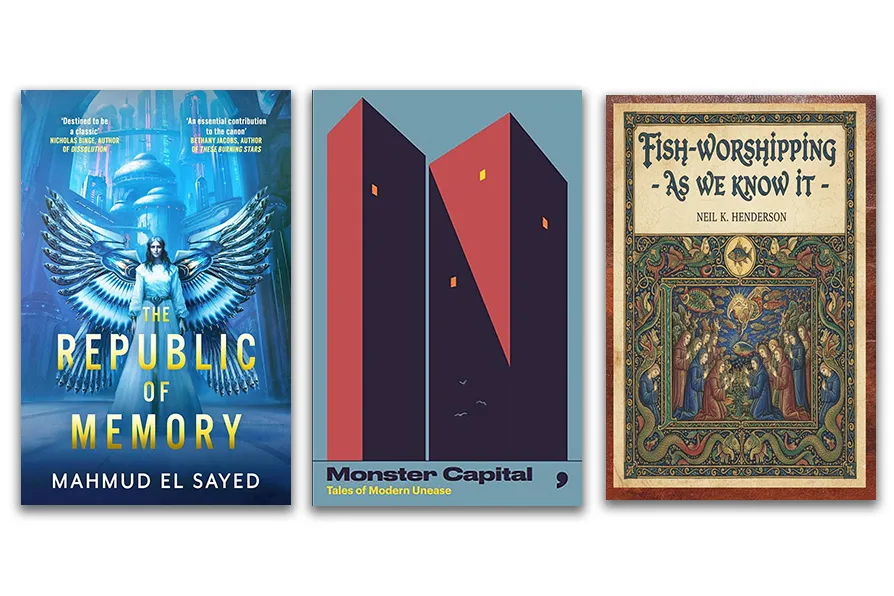
Do frozen colonists carry the virus of empire? Why is monstrosity a great way to describe capital? Was God a dustman?
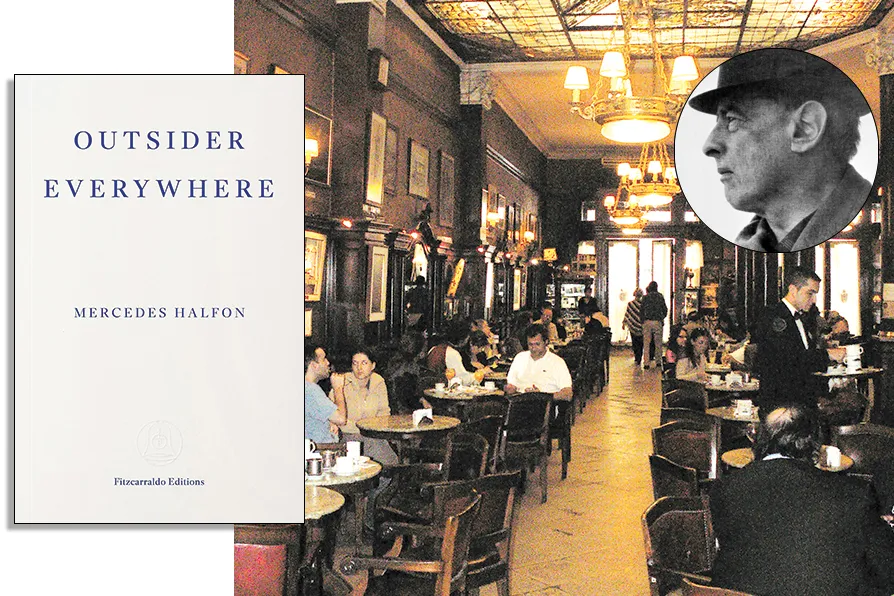
CHRIS MOSS joins the hunt in Argentina for the works of Poland’s most enigmatic exile
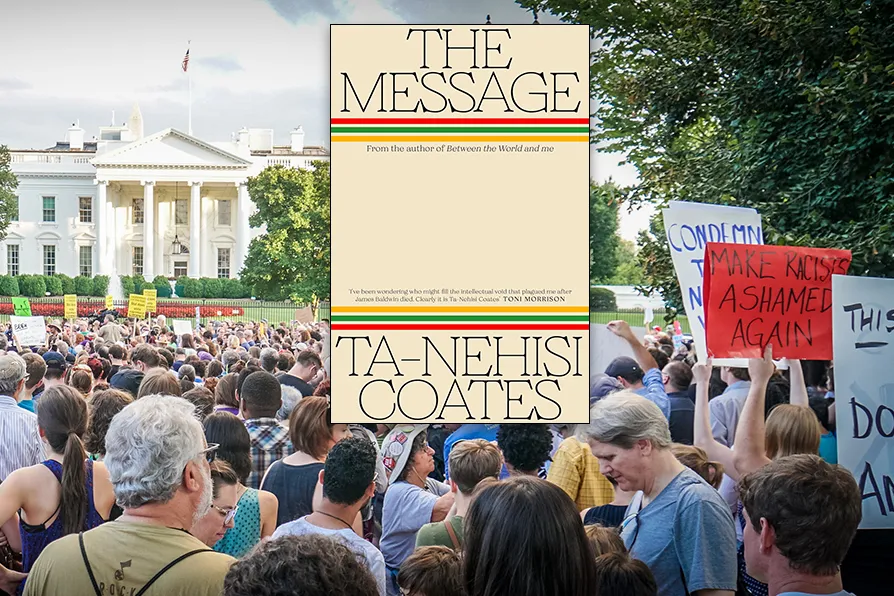
HENRY BELL welcomes a fine demonstration of the need to love the words themselves in the communication of political messages