To rescue Kahlo from the clutches of the corporate art market, we need to acknowledge the overt and covert political dimensions of the work, demands GAVIN O’TOOLE


 Latest editorial
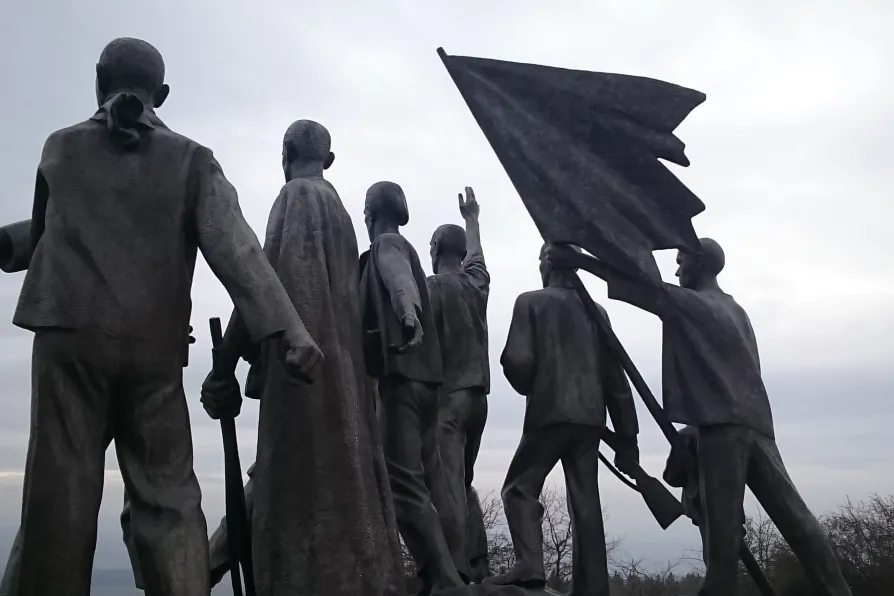
Death camp memorials of Dachau, Mauthausen and Majdanek
‘Let our fate be a warning to you’ is cut into the stone of Majdanek Mausoleum a timely reminder of what may come in the wake of racial hate and xenophobia
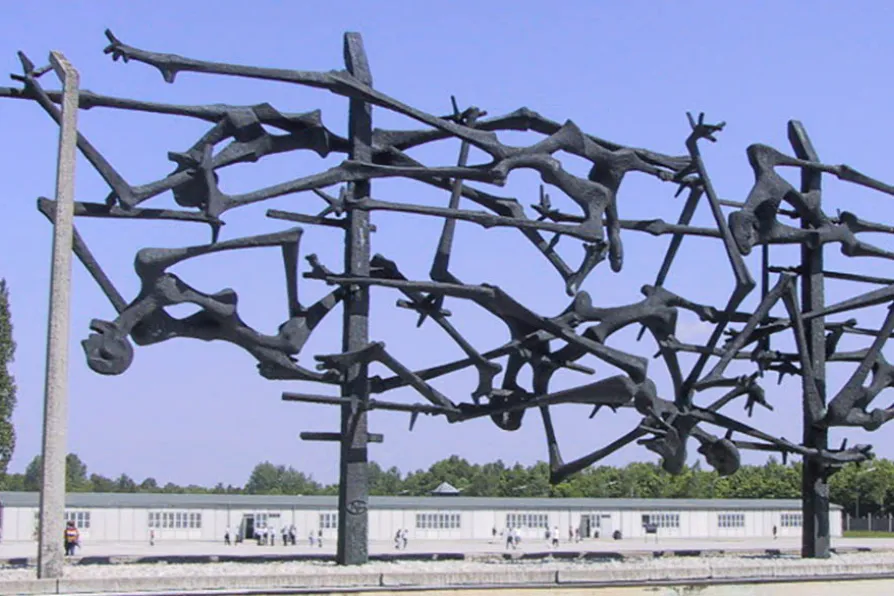 The Dachau concentration camp memorial by Yugoslav sculptor and Holocaust survivor Nandor Glid
[Galvin/flickr/Creative Commons]
The Dachau concentration camp memorial by Yugoslav sculptor and Holocaust survivor Nandor Glid
[Galvin/flickr/Creative Commons]
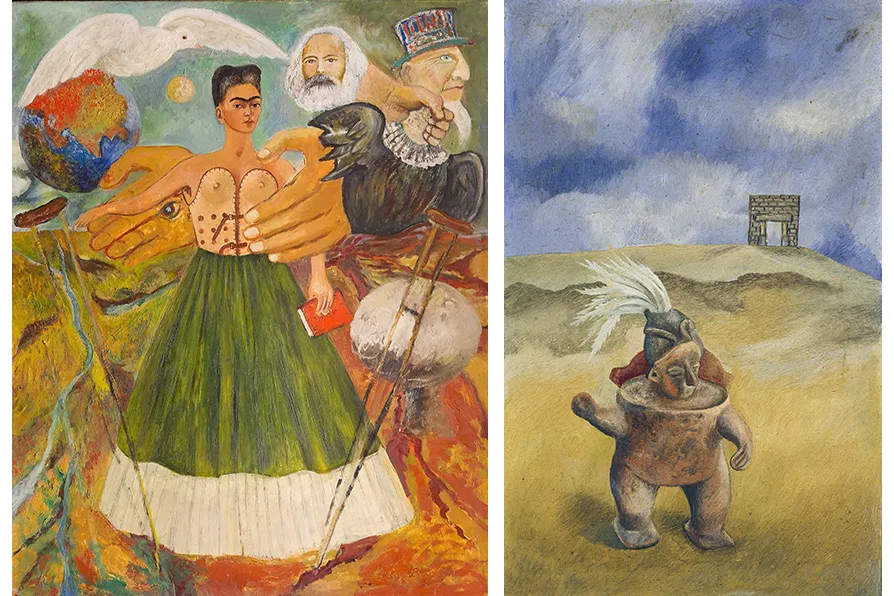
If you can see past the relentless commodification you will be rewarded by enormously powerful work, suggests JENNY MITCHELL
CHRIS SEARLE revels in the one-off collaboration between an American polymath and a British Muslim, and detects the presence of their revolutionary forebear
GORDON PARSONS revels in an ebullient production of Shakespeare’s magical comedy
BRENT CUTLER welcomes a thoughtful analysis of the Erdogan regime, viewed through the evolving history of a neighbourhood in Istanbul
GORDON PARSONS regrets the price, but is dazzled by an outstandingly ambitious study of the way art restoration in particular, and culture in general was weaponised by the Nazis





ON SATURDAY January 27 1945 — 76 years ago tomorrow — the Nazi concentration camp of Auschwitz, in Nazi-occupied Poland, was liberated by the Soviet army.
There were 27 main concentration camps set up by the Nazi regime and in them over 1.6 million people were incarcerated and many exterminated. The inmates comprised those who didn’t conform to the Nazi concept of humanity: Jews, gypsies, homosexuals, communists, socialists, trade unionists and those with disabilities. The nazi programme of mass killing of ‘undesirables’ was the world’s most comprehensive and devastating attempt to establish an elite race of supermen and women.
Only belatedly, decades after the war’s end, did the former West German state erect any monuments at all to the victims of fascism. Up until 1995 there was no official research into the history of the concentration camps. This was hardly surprising, as many former Nazis were soon reoccupying their former posts in West Germany even before the flames of war had been extinguished.

Similar stories
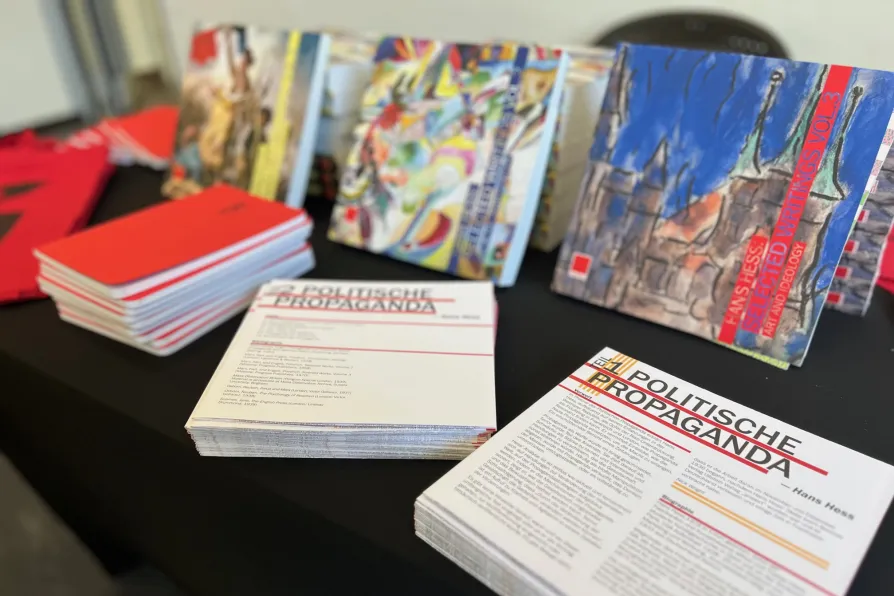
CHRISTOPHE IMMER of the Morning Star’s German sister paper Junge Welt reports on a Berlin conference on the politics of art and the legacy of Marxist critic Hans Hess
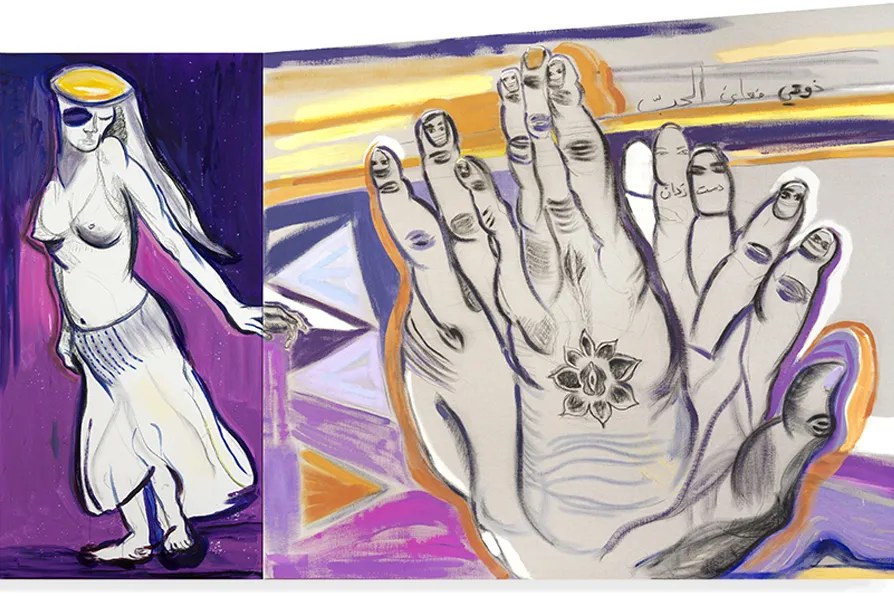
SIMON PARSONS applauds an artist who rescues and rehumanises stories of women, the victims of violence, from a feminist perspective
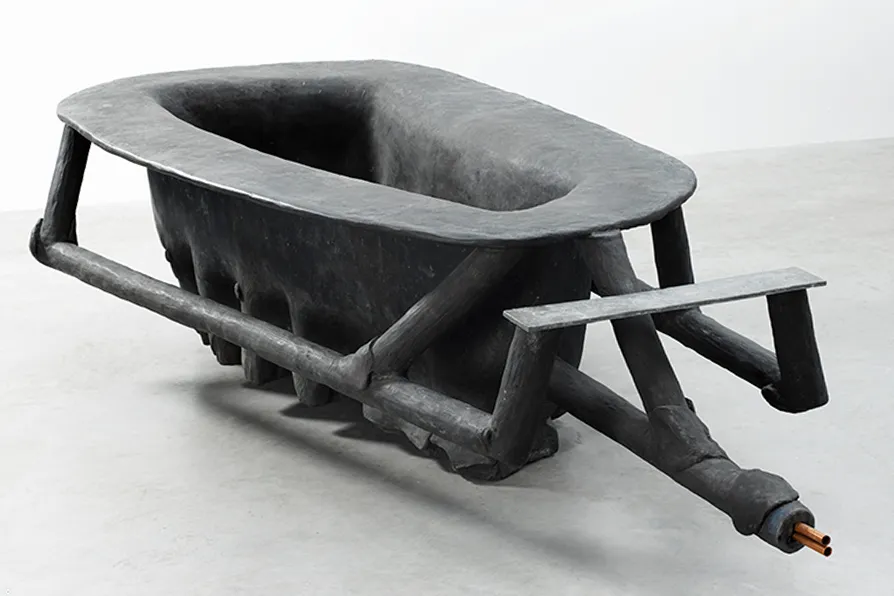
JAN WOOLF ponders the works and contested reputation of the West German sculptor and provocateur, who believed that everybody is potentially an artist
The decision highlights the tension between freedom of expression and the state’s role in shaping historical memory at former concentration camps, reports LEON WYSTRYCHOWSKI