All the evidence shows voters want Labour to shift to the left — but initial signs from Andy Burnham are worrying on that front, cautions DIANE ABBOTT


 Latest editorial
Busting landlord myths about ‘supply’
As the rent cap ends and tenants are left once again at the mercy of the market, we need to look at the nonsense landlords push to obscure the logic of rent controls, writes ADITI JEHANGIR
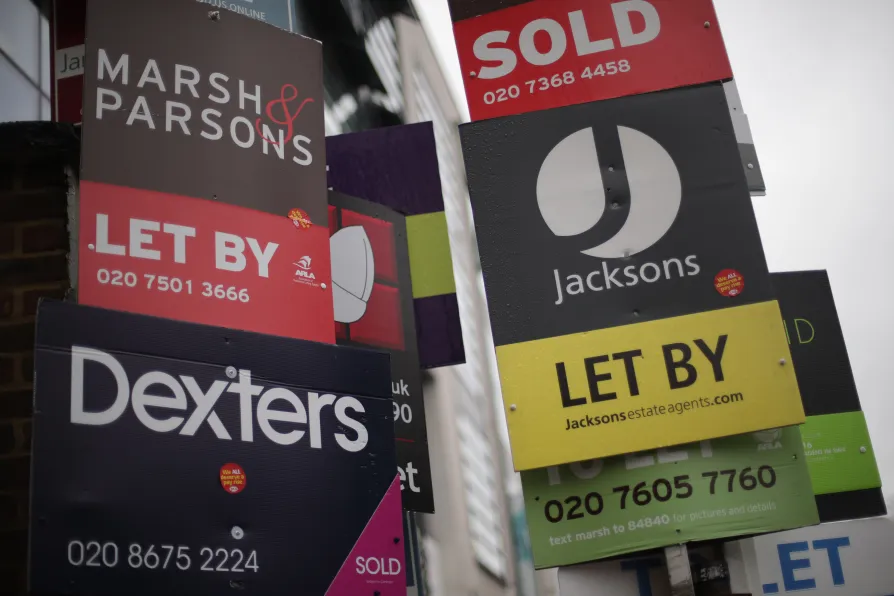
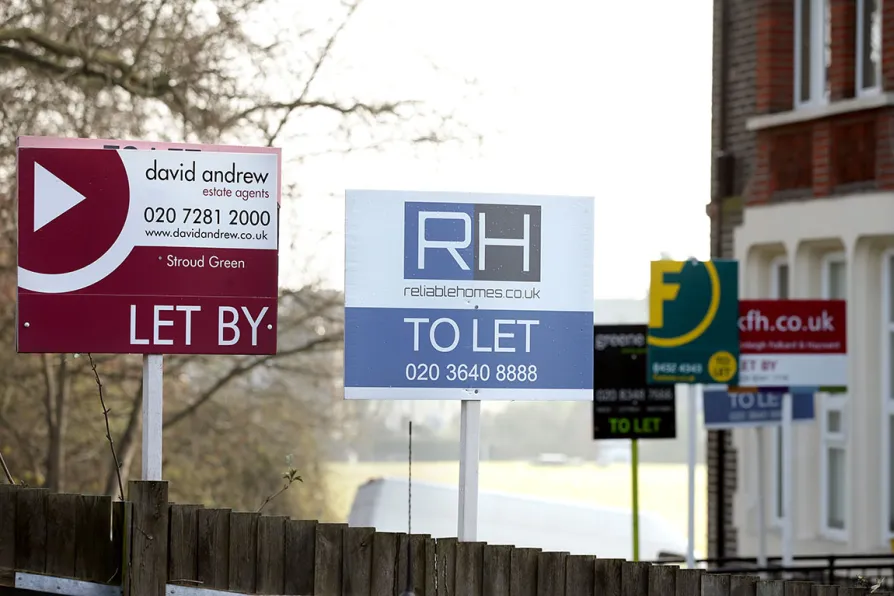 Estate agent signs placed outside homes, April 3, 2016
ANDY McDONALD MP says Labour must show it is capable of delivering real improvements in people’s lives — bold action is required
ANGUS REID and ANDREW JOHNSTONE report on an initiative that we must take this summer
ALLISON FEWTRELL on what Plaid Cymru's historic election victory means for the communities being failed by Wales’s housing crisis, and four things the new government can do right now
France Insoumise MP JEROME LEGAVRE speaks to Christophe Domec on building the Europe-wide peace movement that came together in the International Conference Against War last weekend
At last weekend’s International Conference Against War, LINDA PENTZ GUNTER talks to the Palestinian physician and politician about the struggles ahead to achieve a truly free Palestine





ON WEDNESDAY last week, as the media fixated on the Covid inquiry, the Scottish government quietly announced their plans for what will happen to tenants after the rent cap.
As of April 1, tenants will no longer have a 3 per cent rent cap. Instead, the Scottish government has suggested incredibly modest adaptations to the rent adjudication service, a system by which tenants can challenge their rent increases.
However, just as before, this system leans heavily on market rents as a fair metric despite Minister for Tenants Rights Patrick Harvie insisting in January last year that going from the rent cap to “open market considerations” would create a “damaging cliff edge” for tenants.
This, to put it simply, enshrines in the solution the very problem it seeks to fix and will ensure sharp increases push tenants to the edge. As one tenant responded: “This is the signal for me that I’ll have to leave the city I love.”
The unregulated, cut-throat open market is a ludicrous tool to use to measure what is affordable for tenants. In the workplace, the “free” open market led to child labour, no weekends, dangerous working conditions, and no minimum wage. We now all know that we need regulation to protect workers — yet in housing, there is no such recognition.
The open market has seen rent in Scotland increase by 61 per cent over the last 13 years. In the cities of Edinburgh and Glasgow, the crisis is far more acute, with rent increasing 82 per cent and 91 per cent respectively, nearly double inflation (47 per cent). Even with the rent cap, over the last year new market rent in Scotland increased by 14 per cent, rising to 22 per cent in greater Glasgow.
These increases are not happening in a vacuum. Our wages have stagnated or fallen in real terms and all our other costs have risen. As a result, tenants throughout Scotland are being forced to choose between eating and being able to make rent, or else face being forced from the places they call home.
Make no mistake, the Scottish government’s shift back to “the market” as a tool to control rents has not come out of the blue.

Similar stories
CAROL WILCOX argues for the proper implementation of the land value tax, which could see unused plots sold off and landlords priced out of landlordism, potentially resolving the housing and planning crises
Our housing crisis isn’t an accident – it’s class war, trapping millions in poverty while landlords and billionaires profit. To solve it, we need comprehensive transformation, not mere tokenistic reform, writes BECK ROBERTSON