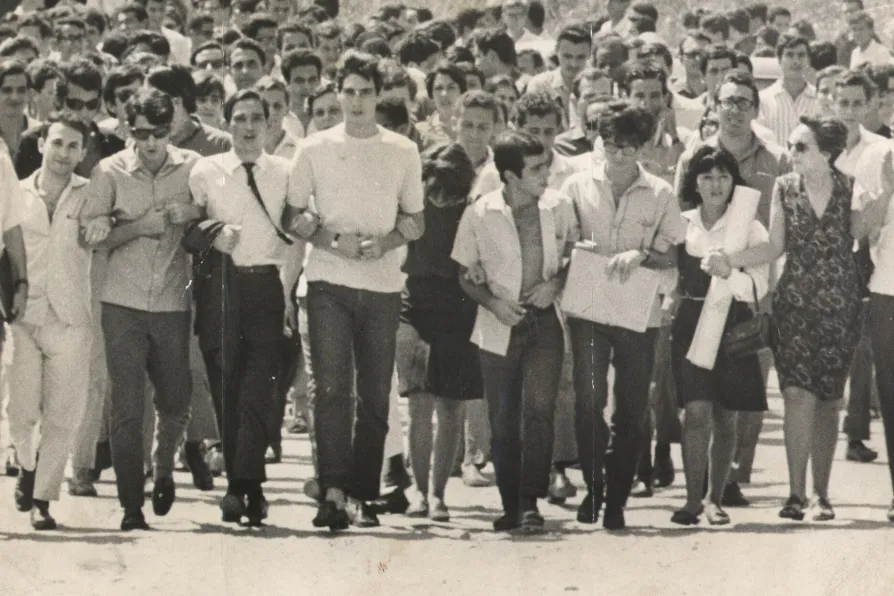
Newly revealed documents reveal that MI5 taught Brazilian secret police the techniques deployed by the 1964-85 military dictatorship in horrific prisons like Rio de Janeiro’s House of Death. SARA VIVACQUA reports


 Latest editorial

Automation and closures are challenges – but failure does not have to be inevitable
SHARON GRAHAM of Unite the Union explains how rebuilding the shop stewards’ movement will help develop meaningful industrial power in an age of growing jobs uncertainty
 A robot appears before a parliamentary select committee last year
CHRISTOPHE DOMEC speaks to the France Insoumise politician facing constant persecution from French authorities
It can be hard to discern conspiracy theory from reality and under the Trump regime the two might just be the same thing, writes Linda Pentz Gunter
ALAN SIMPSON says responses to the Golders Green attacks risk deepening divides across our country
Capturing the general strikes history is a vital part of our struggles today, posits HENRY FOWLER
On a tumultuous day in Welsh politics DAVID NICHOLSON looks at the key issues for progressives in Wales to grapple with the rise of the far right




TODAY as trade unionists our most significant, long-term challenges arguably have very little to do with the political circus surrounding Brexit.
The continued crisis in wages, the rise of contingent and outsourced work that so badly fragments our labour market, the job threat from the dawn of industry 4.0 and the corresponding decline of collective bargaining that has helped underpin this all. We face many serious problems but they are not insurmountable and managed decline does not have to be inevitable.
Among all of this, one thing is for certain. If we want to drive up living standards, we will face a fight for jobs and possibly for the future of work itself.

Similar stories
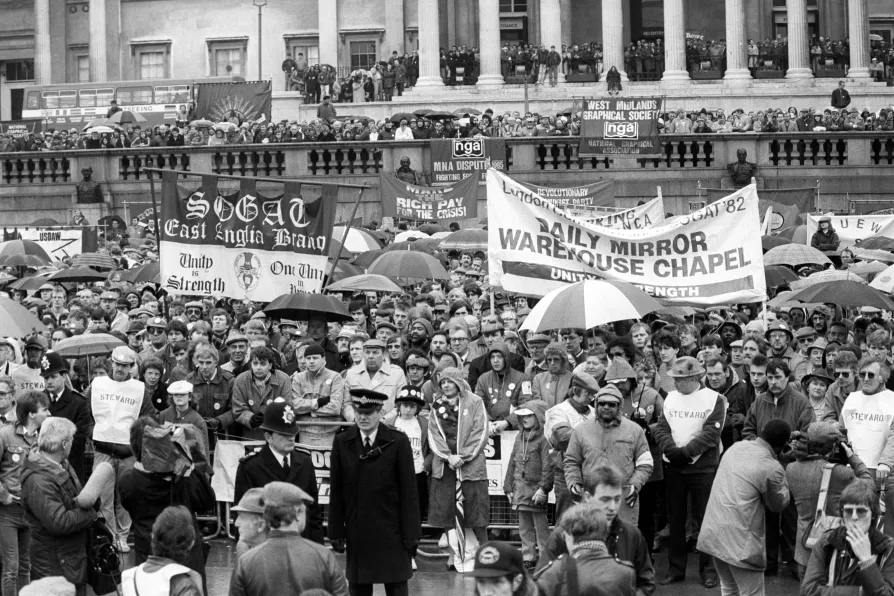
SHARON GRAHAM reflects on the lessons of Murdoch’s confrontation with print workers – and argues that, in an age of AI, automation and net zero, only early organisation, collective power and planning can stop history repeating itself
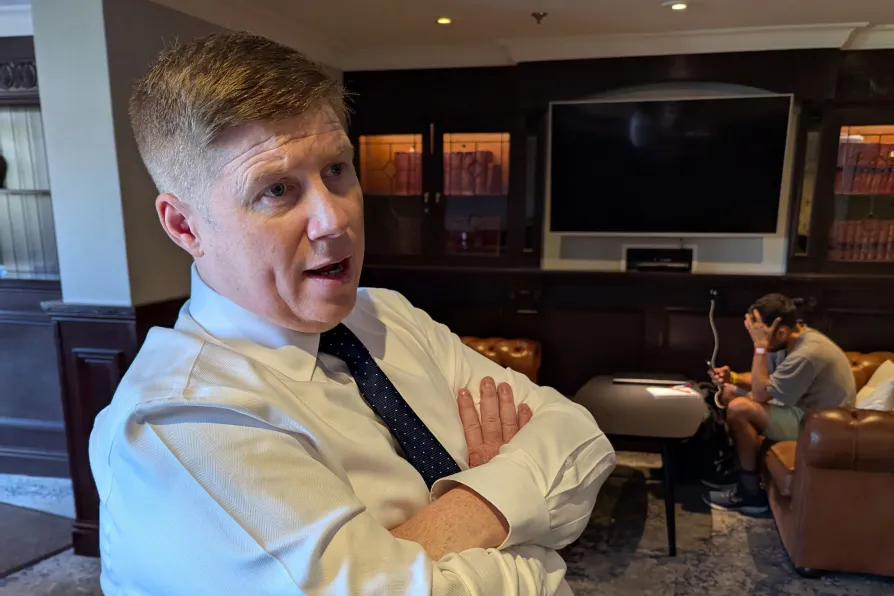
Ben Chacko talks to RMT leader EDDIE DEMPSEY about how the key to fixing broken Britain lies in collective sectoral bargaining, restoring unions’ ability to take solidarity strike action and bringing about the much-vaunted ‘wave of insourcing’

It is only trade union power at work that will materially improve the lot of working people as a class but without sector-wide collective bargaining and a right to take sympathetic strike action, we are hamstrung in the fight to tilt back the balance of power, argues ADRIAN WEIR
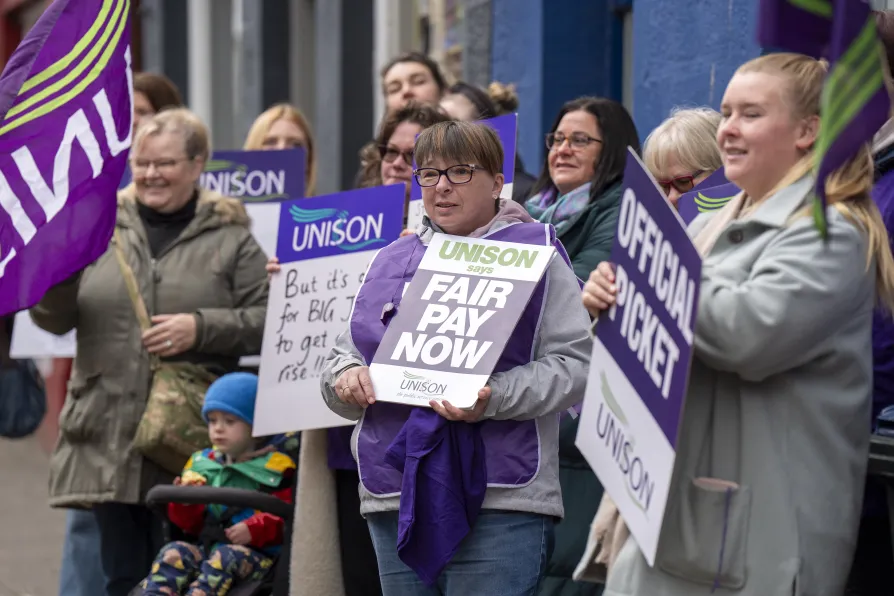
KEVAN NELSON reveals how, through its Organising to Win strategy, which has launched targeted campaigns like Pay Fair for Patient Care, Britain’s largest union bucked the trend of national decline by growing by 70,000 members in two years