Skip to main content
Shop
Your Account
Sign In
Support Us
Subscribe
Britain
World
Editorial
Features
Culture
Sport
Britain
World
Editorial
Features
Culture
Sport
Climate Crisis
Workers' Rights
Middle East
Labour Party
Red Star Talks
Scotland
2026 World Cup
Latest editorial
Militarism or the climate crisis? Challenging the propaganda
Advertise
Contact us
Shop
Subscribe
Support us
Daily Alert
Climate Crisis
Workers' Rights
Middle East
Labour Party
Red Star Talks
Scotland
2026 World Cup
Workers' Rights
Workers’ Rights
/
25 June 2026
LGBTQ+ workers underrepresented in trade unions, delegates hear
25 June 2026
Workers' Rights
/
25 June 2026
Trade union movement must be ‘visible and vocal ally’ to LGBT+ communities
25 June 2026
Workers' Rights
/
25 June 2026
Unions must defend hard-won progress from ‘those who want to turn back the clock’ on LGBTQ+ rights, TUC president says
25 June 2026
Workers' Rights
/
25 June 2026
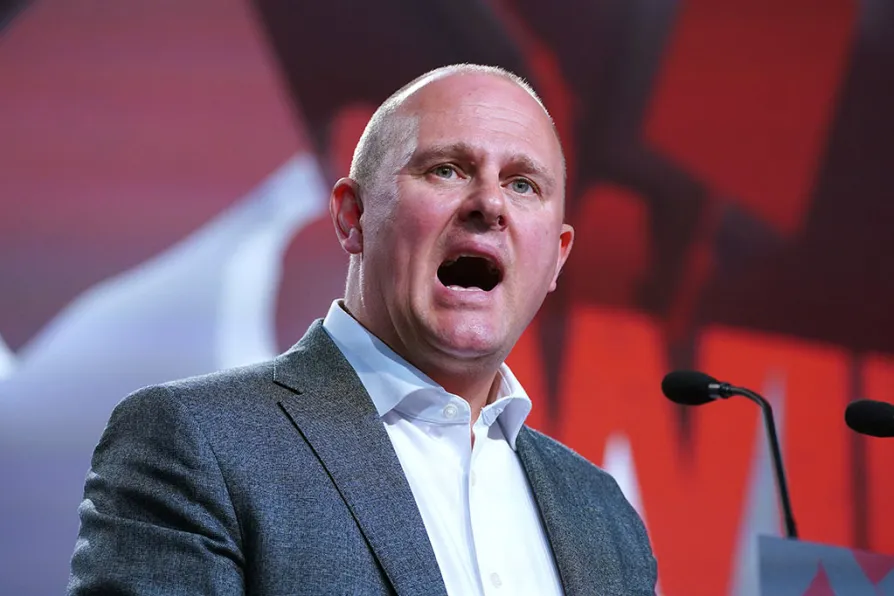
Next Labour government must deliver manifesto promise, says TUC leader says
25 June 2026
Workers' Rights
/
25 June 2026
Employers urged to do more to combat harassment at work
25 June 2026
Far Right
/
26 June 2026
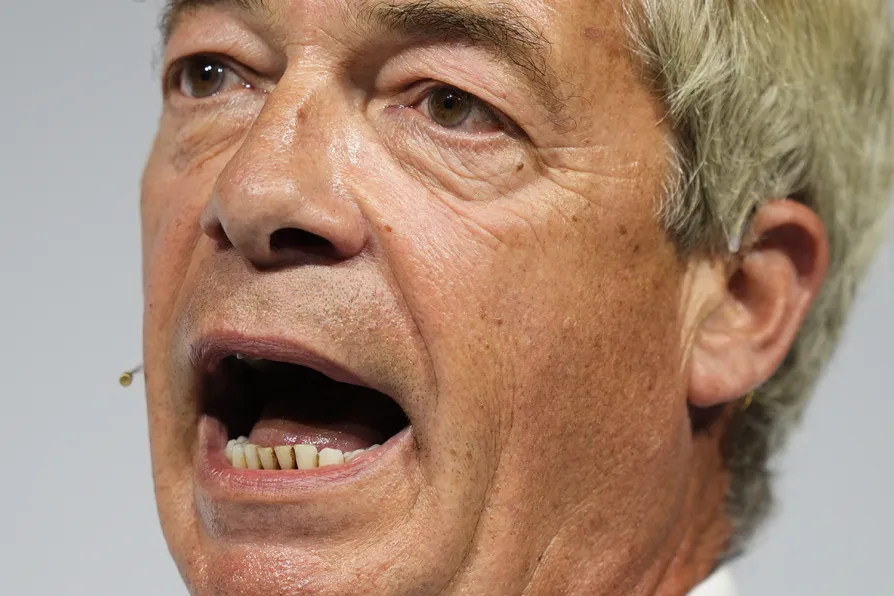
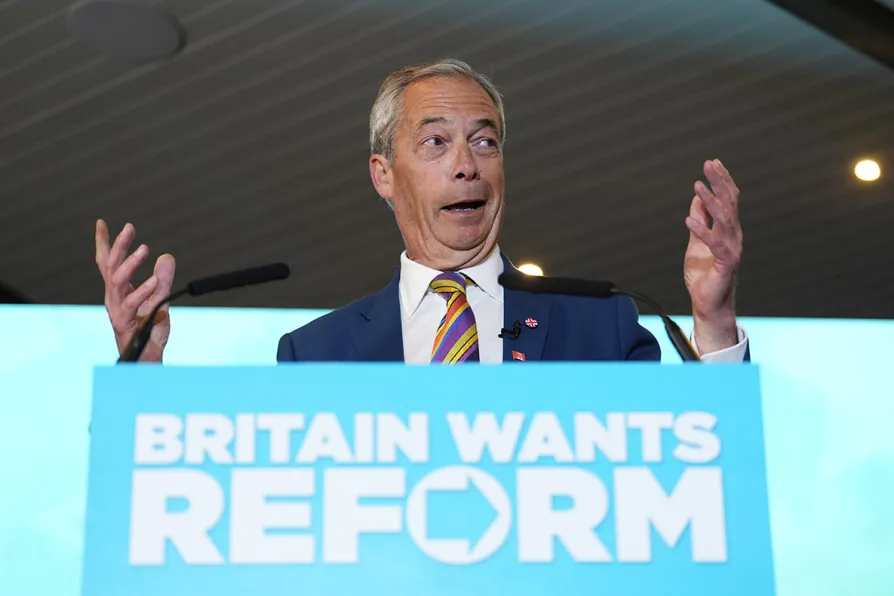
Reform would ‘take the axe’ to LGBTQ+ workers' rights
26 June 2026
Workers' Rights
/
25 June 2026
College lecturers accept 10% pay rise over three years
25 June 2026
Workers' Rights
/
23 June 2026
Shortage of green jobs leaves workers more ‘exposed to exploitation,’ construction survey finds
23 June 2026
Workers' Rights
/
23 June 2026
Unison and RMT to launch joint campaign to end outsourcing
23 June 2026
Solidarity
/
23 June 2026
RMT to affiliate to national LGBT+ support line Switchboard
23 June 2026
Workers' Rights
/
23 June 2026
Wrexham teachers take strike action over job cuts
23 June 2026
Workers' Rights
/
23 June 2026
RMT delegates back crackdown on football-related disorder on rail network
23 June 2026
Workers' Rights
/
23 June 2026
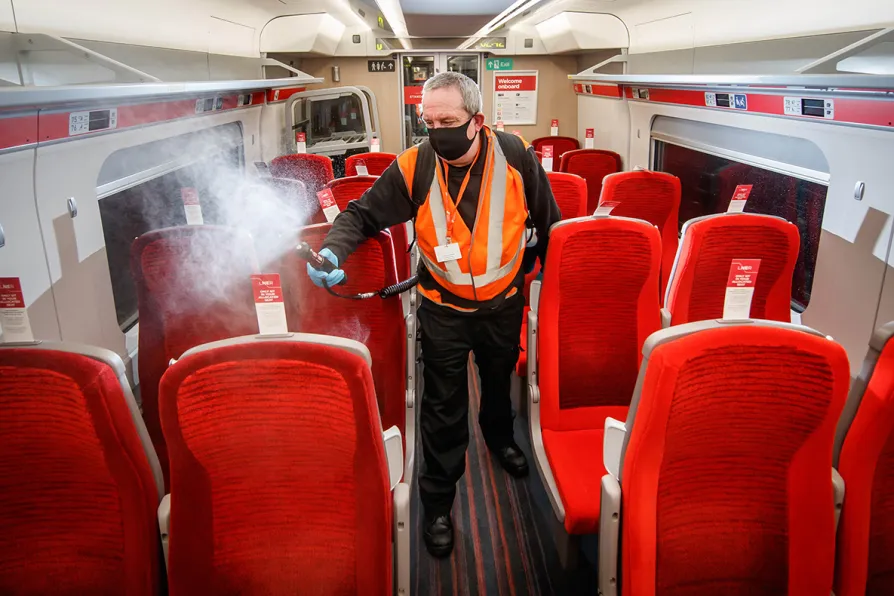
RMT to intensify campaign to bring cleaning services back in-house across the rail industry
23 June 2026
Transport
/
23 June 2026
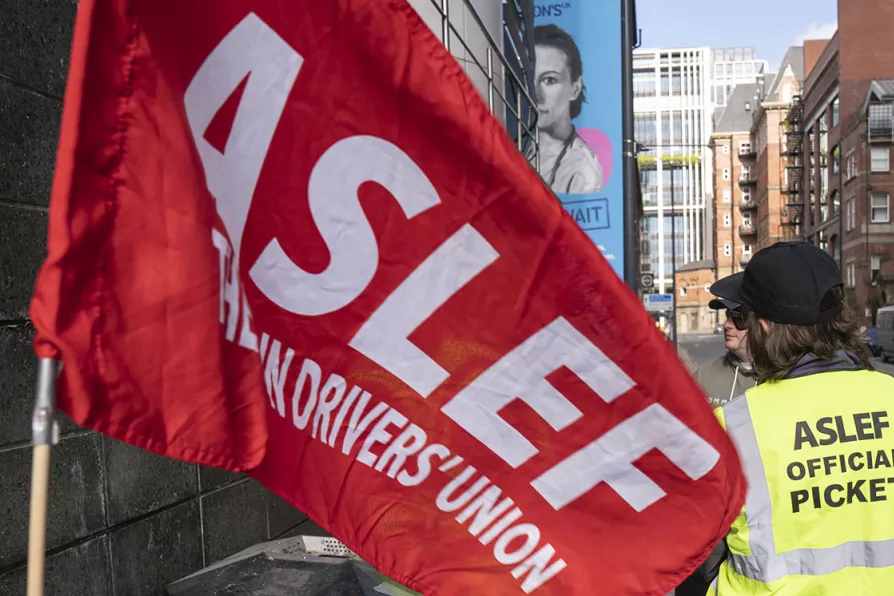
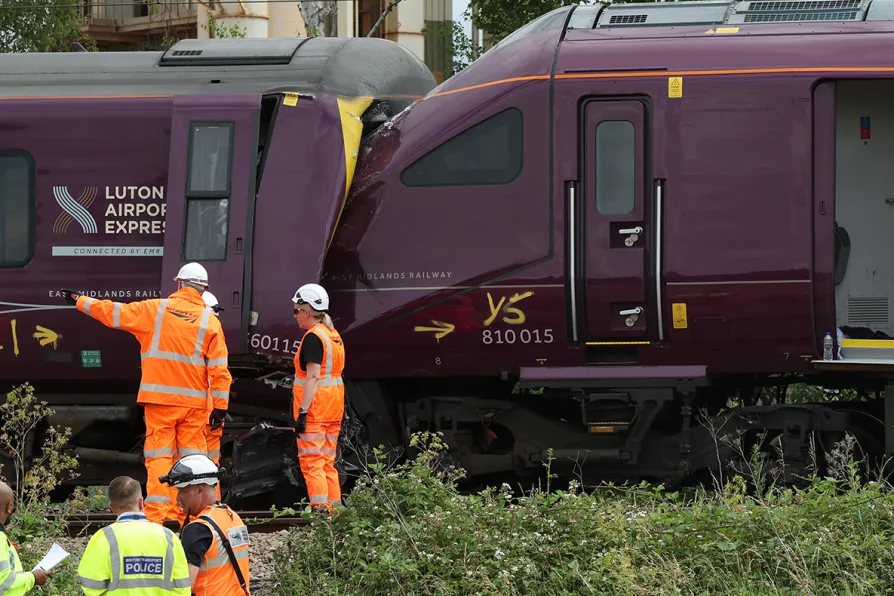
Train drivers union to boycott safety measures meeting and demand action
23 June 2026
Britain
/
22 June 2026
RMT delegates back motion highlighting the recruitment and retention crisis in freight and logistics sector
22 June 2026
Ant-Fascism
/
22 June 2026
RMT must help defeat Reform at the next general election, union’s leader says
22 June 2026
Workers' Rights
/
22 June 2026
Government must stop treating outsourced rail cleaners and caterers as second-class citizens, TUC leader says
22 June 2026
Politics
/
22 June 2026
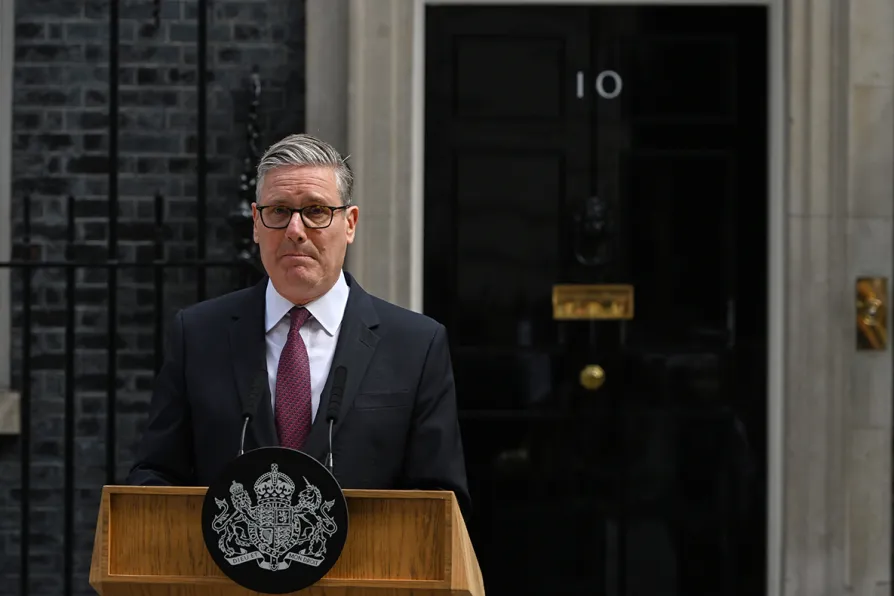
Unions welcome Starmer's departure and warn Labour of need for radical shift in policies
22 June 2026
Workers' Rights
/
22 June 2026
Over 1,200 social care workers in England and Scotland to ballot for strike action over pay, union announces
22 June 2026
Tragedy
/
21 June 2026
RMT president pays tribute to train driver killed inBedford collision
21 June 2026
Workers' Rights
/
21 June 2026
Reform would rip up rights at work for dads and make life harder for families, TUC warns on Father’s Day
21 June 2026
Education
/
21 June 2026
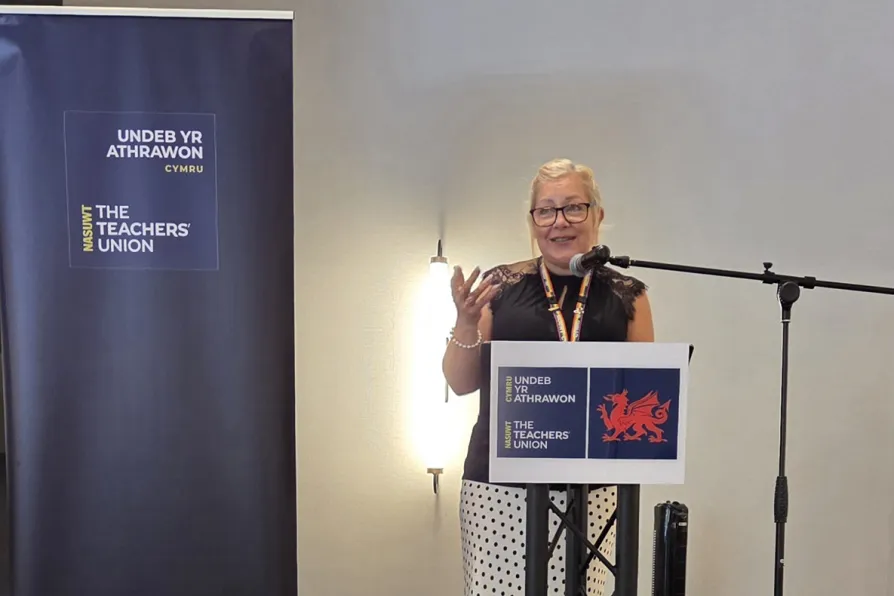
Teachers in Wales demand statutory violence reporting mechanism
21 June 2026
Workers' Rights
/
19 June 2026
Glasgow Caledonian University workers to to strike against job cuts
19 June 2026
Workers' Rights
/
19 June 2026
Upper Clyde shipyard workers announce second round of strikes
19 June 2026
Load More


 Latest editorial
![Delegates at the TUC LGBTQ+ conference in Brighton, June 25, 2026 [Pic: Jess Hurd]](https://dev.morningstaronline.co.uk/sites/default/files/styles/desktop/public/2026-06/2606TUCLGBT%2BConference%C2%A9JessHurd001.jpg.webp?itok=DwUzmn0K)
![Delegates at the TUC 2026 LGBT+ conference in Brighton [Pic: Jess Hurd]](https://dev.morningstaronline.co.uk/sites/default/files/styles/desktop/public/2026-06/2606TUCLGBT%2BConference%C2%A9JessHurd068.jpg.webp?itok=Sg63x4Y_)
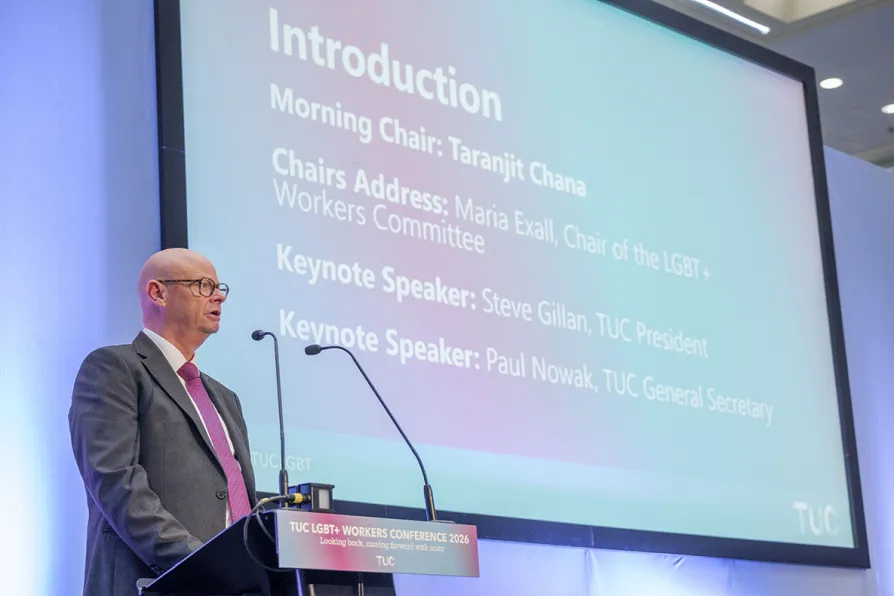
![TUC general secretary Paul Nowak at the TUC LGBT+ conference 2026 [Pic: Jess Hurd]](https://dev.morningstaronline.co.uk/sites/default/files/styles/desktop/public/2026-06/2606TUCLGBT%2BConference%C2%A9JessHurd045.jpg.webp?itok=UFiQc4CW)