All the evidence shows voters want Labour to shift to the left — but initial signs from Andy Burnham are worrying on that front, cautions DIANE ABBOTT


 Latest editorial
What do the local election results tell us about Labour's progress?
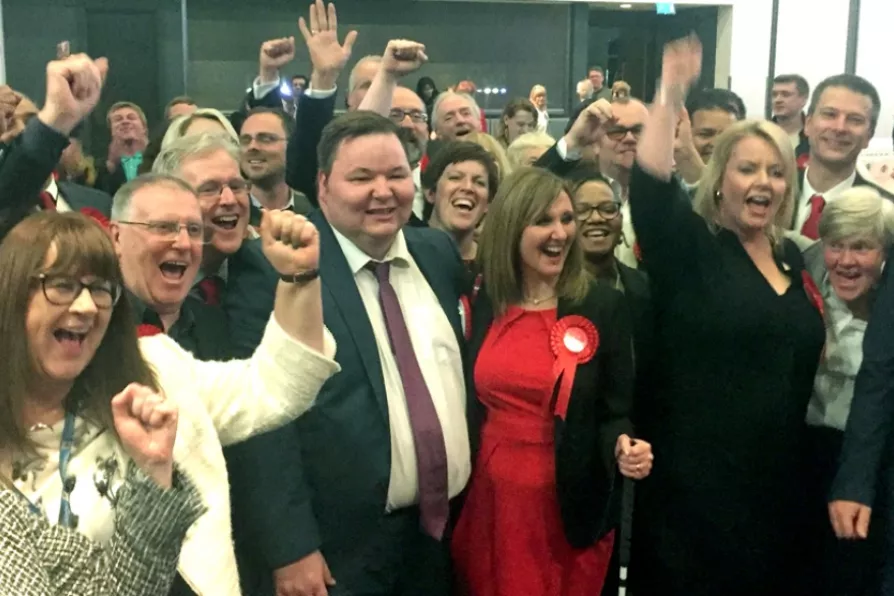 Labour Party members celebrate their victory in Trafford, Manchester

ANDY McDONALD MP says Labour must show it is capable of delivering real improvements in people’s lives — bold action is required
ANGUS REID and ANDREW JOHNSTONE report on an initiative that we must take this summer
ALLISON FEWTRELL on what Plaid Cymru's historic election victory means for the communities being failed by Wales’s housing crisis, and four things the new government can do right now
France Insoumise MP JEROME LEGAVRE speaks to Christophe Domec on building the Europe-wide peace movement that came together in the International Conference Against War last weekend
At last weekend’s International Conference Against War, LINDA PENTZ GUNTER talks to the Palestinian physician and politician about the struggles ahead to achieve a truly free Palestine





Labour has made a modest advance on 2014 results that were good enough for many to predict a Labour victory at the following year’s general election and there was some Tory defensive consolidation, often out of the collapse of Ukip.
The local government election results declared by midday today revealed a political map of England little changed over the last 10 months since Labour’s surge at the general election.
That picture is of a deep two-party polarisation, with Labour strengthening in the big cities and making some inroads elsewhere, but the Tories stubbornly holding on in places with an anti-Labour rather than pro-government message in these lower turnout elections.

Similar stories


Every Starmer boast about removing asylum-seekers probably wins Reform another seat while Labour loses more voters to Lib Dems, Greens and nationalists than to the far right — the disaster facing Labour is the leadership’s fault, writes DIANE ABBOTT MP
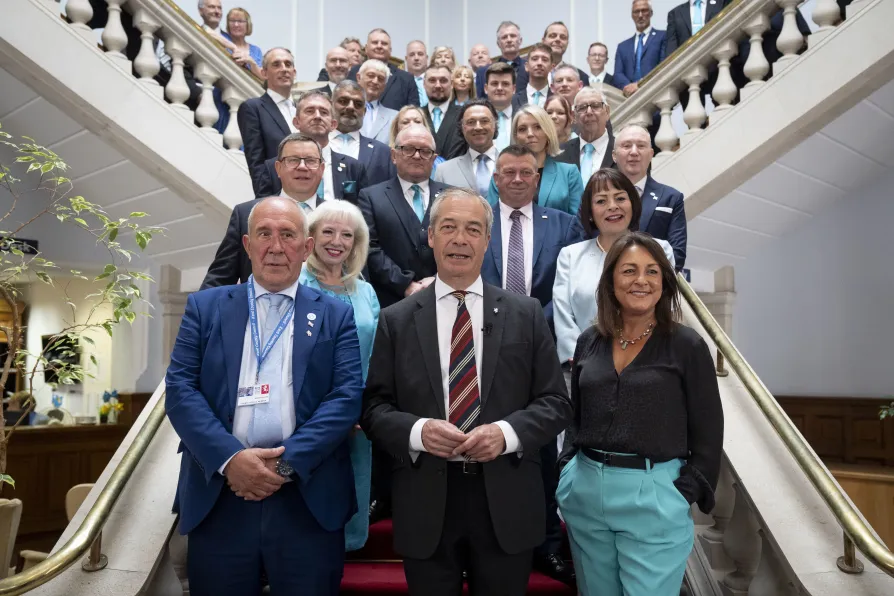
Holding office in local government is a poisoned chalice for a party that bases its electoral appeal around issues where it has no power whatsoever, argues NICK WRIGHT
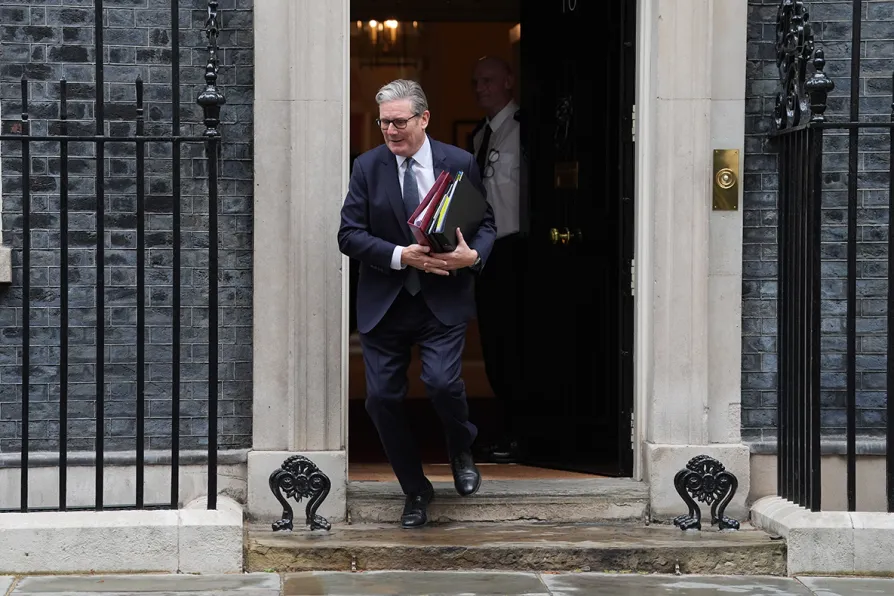
From Gaza complicity to welfare cuts chaos, Starmer’s baggage accumulates, and voters will indeed find ‘somewhere else’ to go — to the Greens, nationalists, Lib Dems, Reform UK or a new, working-class left party, writes NICK WRIGHT