

 Latest editorial

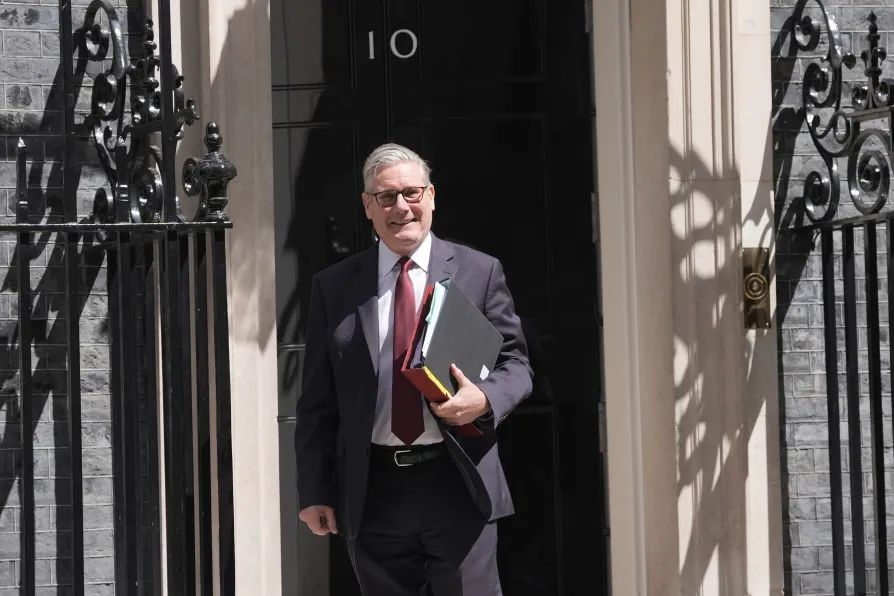 Prime Minister Keir Starmer departs 10 Downing Street, London, to attend Prime Minister's Questions at the Houses of Parliament, May 20, 2026
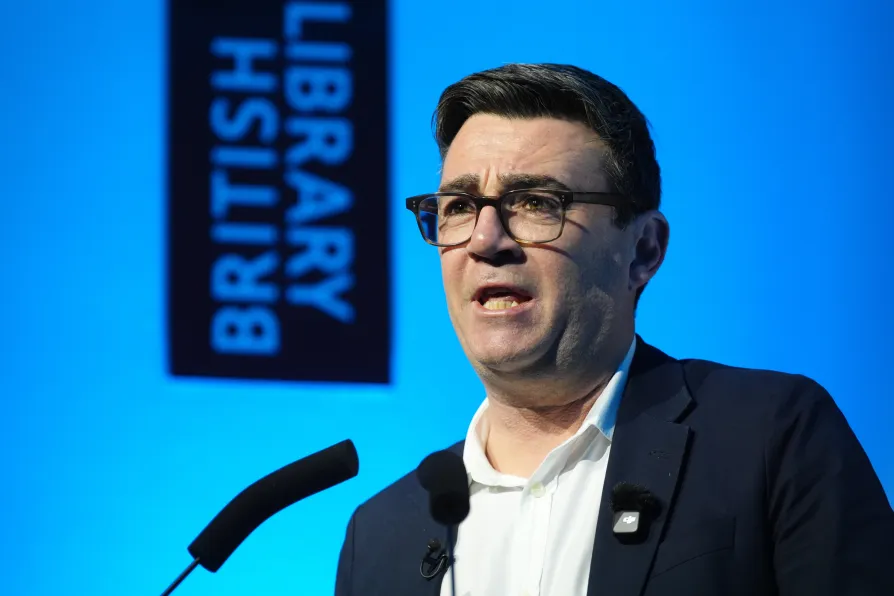





FORMER Welsh Labour leader Mark Drakeford is the latest figure to call for an orderly removal of Keir Starmer.
The defenestration of the Prime Minister is now Westminster Labour’s default position as well as meeting the desires and expectations of most people.
Drakeford’s measured intervention in the debate reminds us just how volatile are politics in Britain and how even the mildly progressive policies of his administration — at variance with Westminster Labour — made the difference. Remember that in election just five years ago Welsh Labour remained in office in office with a 5 per cent increase in its vote; Plaid Cymru, the Lib Dems and Greens all lost ground.
Meanwhile in the English local elections, the Tories had gained 235 councillors — mostly at Labour’s expense — and 13 councils. The Lib Dems stood still, while the Greens almost doubled their seats.
Nigel Farage’s electoral vehicle Ukip lost all 48 of its seats.
The SNP retained control of the Scottish Parliament in alliance with the Greens, with very little change.
Nothing remains the same. Things must change.
It is hard to see how two party Tweedledee/Tweedledumber politics of the post-war era can be recovered and it is noteworthy that the politics of each constituent nation diverge in ways which suggest the constitutional unity of the kingdom is at risk.
This raises the question of working-class unity. If the national aspirations of the people living in Wales, Scotland and England differ, the class interests of the working class majority in each converge around demands that are best articulated by the labour movement which alone has the capacity to unite, educate and organise a progressive majority.
Reform UK itself exists on a volatile electoral base in which the cabal of speculators and spivs at its leadership favour policies which an absolute majority of its voters oppose.
In this these voters are much like the rest of Britain, including many Tory voters, in that they favour higher taxes on the rich and corporate profits, want our utilities, energy and transport back in public ownership and, in the volatile international situation, worry about war and its impact.
It is axiomatic that unity is best found around issues on which people agree. A progressive majority can be assembled around a reconstitution of the social wage based on a massive expansion of public housing at affordable rents, directed investment in infrastructure, investment in social care and the NHS and an education system that prepares our children for skilled work in a productive economy.
If, as the Westminster consensus has it, the bond markets will not tolerate such a programme then a strategy must be devised that counters the dominance of the rent-seeking class and finance capital.
We can be sure that any attempt to control the export of capital and direct it to productive investment in our domestic economy will outrage our now transatlantic ruling class who will resist.
The goal of a people-centred economic modernisation of the economy is impossible in an arms economy orientated to war. Job security, improved public services and capital investment in productive industry based on environmental sustainability while redistributing wealth from the super-rich to the working class across Britain is one which can command great support.
Finding a renewed class unity must entail a rational conversation with people who see immigration as the defining issue in our country’s travails. It means a civilised discourse around questions of sex and gender that combines respect for divergent opinions and a human-centred approach to people for whom this is a critical question.
Only the working class movement and the left can construct the political machinery to bring it about.


Deep disillusionment with the Westminster cross-party consensus means rupture with the status quo is on the cards – bringing not only opportunities but also dangers, says NICK WRIGHT
In the run-up to the Communist Party congress in November ROB GRIFFITHS outlines a few ideas regarding its participation in the elections of May 2026
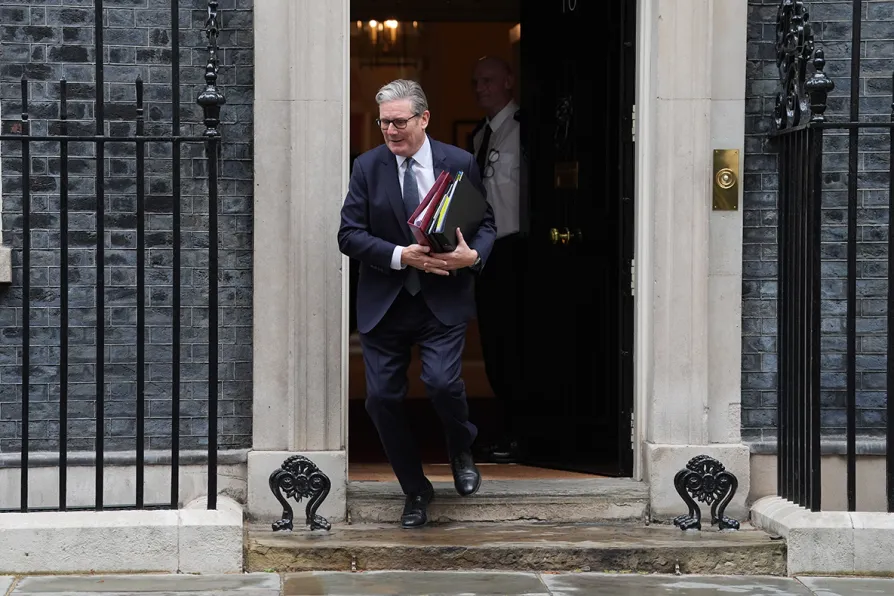
From Gaza complicity to welfare cuts chaos, Starmer’s baggage accumulates, and voters will indeed find ‘somewhere else’ to go — to the Greens, nationalists, Lib Dems, Reform UK or a new, working-class left party, writes NICK WRIGHT

There is no doubt that Trump’s regime is a right-wing one, but the clash between the state apparatus and the national and local government is a good example of what any future left-wing formation will face here in Britain, writes NICK WRIGHT