Charles Windsor challenged to declare full income as he becomes first monarch to release tax payments


 Latest editorial
Error message
An error occurred while searching, try again later.Doctors and nurses call for end to ‘systematic normalisation’ of corridor care
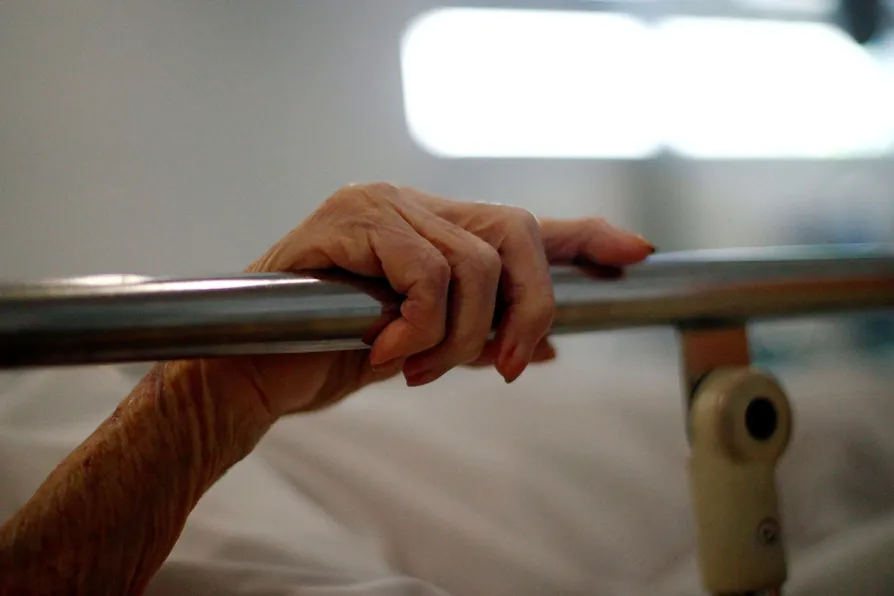 The hand of a patient grips the rail of a hospital bed






REPRESENTATIVES from the Royal College of Nursing (RCN) and the British Medical Association (BMA) are set to descend on the Senedd in Cardiff today to sound the alarm about the growing “systematic normalisation” of corridor care ahead of a debate on the topic.
The debate was prompted by a petition from the unions, signed by more than 10,000 people, which calls for action on the issue by recording its prevalence and investing in community care.
BMA’s Welsh consultants committee chairman Dr Manish Adke said: “As health professionals it is extremely distressing to see patients in unsafe, inappropriate spaces whilst they are at their most vulnerable.
“What’s worse is that this practice is becoming systematically normalised and that is completely unacceptable.
“It is not what we trained for, it’s not the care we want to give and it’s putting patients at risk of serious harm.
“Without an allocated bed space we cannot stabilise patients with fluids, antibiotics or invasive lines.”
The Royal College for Emergency Medicine, in a report published last month, revealed there had been more than 900 excess deaths associated with long A&E waits in Wales in 2024 — the equivalent of 18 people per week.
RCN Wales executive director Helen Whyley said: “Hardworking nurses and health care professionals are doing their best to care for seriously ill patients in unacceptable, dangerous and almost Dickensian-like conditions, adding stress to both the carer-giver and the patients and seriously putting lives at risk.
“Corridor care is undignified, unsafe and unacceptable — the Welsh government must act to end this practice now.”
The Welsh government says: “Care in undesignated or non-clinical environments is not acceptable. It compromises patient dignity, safety, and staff wellbeing.
“We share the determination in this petition to eliminate this practice through system-wide reform and have been clear with health boards of our expectations for improved and timely flow of patients through hospitals and back to their local communities.
“We have provided in excess of £200m additional funding this year to help people leave hospital when they are ready ensuring they receive the right care, in the right place and at the right time.”