All the evidence shows voters want Labour to shift to the left — but initial signs from Andy Burnham are worrying on that front, cautions DIANE ABBOTT


 Latest editorial
Marx, Engels and the English Easter break
From bemoaning London’s ‘cockneys’ invading seaside towns to negotiating holiday rents, the founders of scientific socialism maintained a wry detachment from Victorian Easter customs while using the break for health and politics, writes KEITH FLETT

ANDY McDONALD MP says Labour must show it is capable of delivering real improvements in people’s lives — bold action is required
ANGUS REID and ANDREW JOHNSTONE report on an initiative that we must take this summer
ALLISON FEWTRELL on what Plaid Cymru's historic election victory means for the communities being failed by Wales’s housing crisis, and four things the new government can do right now
France Insoumise MP JEROME LEGAVRE speaks to Christophe Domec on building the Europe-wide peace movement that came together in the International Conference Against War last weekend
At last weekend’s International Conference Against War, LINDA PENTZ GUNTER talks to the Palestinian physician and politician about the struggles ahead to achieve a truly free Palestine





THE correspondence between Marx, Engels and others occupies several volumes of the 50-volume Collected Works. The correspondence, of course, is not a diary and much is rightly taken up with the theory and practice of politics.
Yet there are passages which reflect Marx and Engels’ life in mid-Victorian England and how they viewed affairs in what was then the predominant capitalist power. These insights often informed their political and theoretical work and they also take away from the right-wing stereotype that Marx and Engels were iconoclasts untroubled by the issues and difficulties of daily life.
While Christmas had been reinstated as a holiday period in the 1850s, partly thanks to the efforts of Charles Dickens, the marking of Easter developed more slowly. Good Friday, then as now, was an important Christian occasion but Easter Monday did not become a public holiday until after the 1871 Bank Holidays Act. Before then, cheap rail excursions for the working class had started to become a feature.

Similar stories

Labour movement history in Britain shows workers secured reforms through collective pressure and political representation, rather than being gifted from above, writes KEITH FLETT
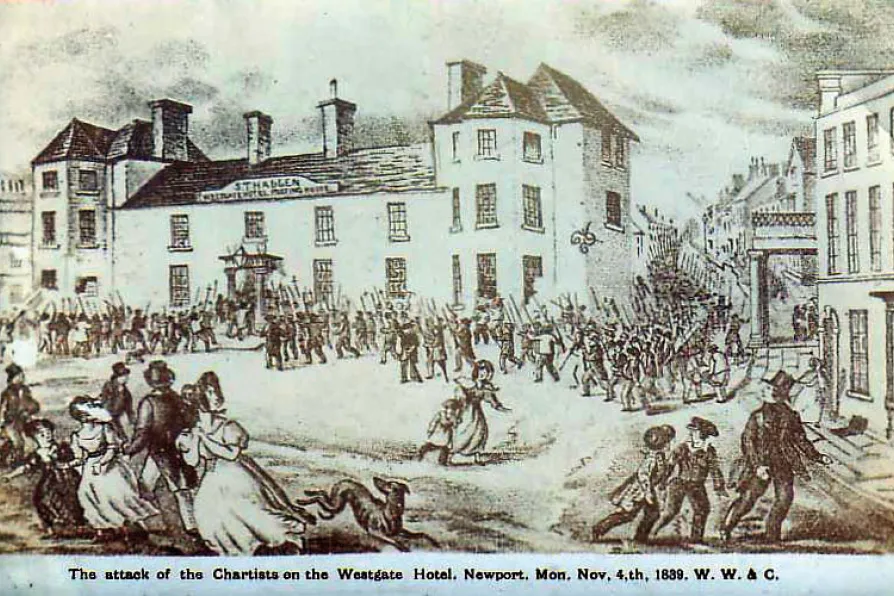
It’s not just the Starmer regime: the workers of Britain have always faced legal affronts on their right to assemble and dissent, and the Labour Party especially has meddled with our freedoms from its earliest days, writes KEITH FLETT

Who you ask and how you ask matter, as does why you are asking — the history of opinion polls shows they are as much about creating opinions as they are about recording them, writes socialist historian KEITH FLETT
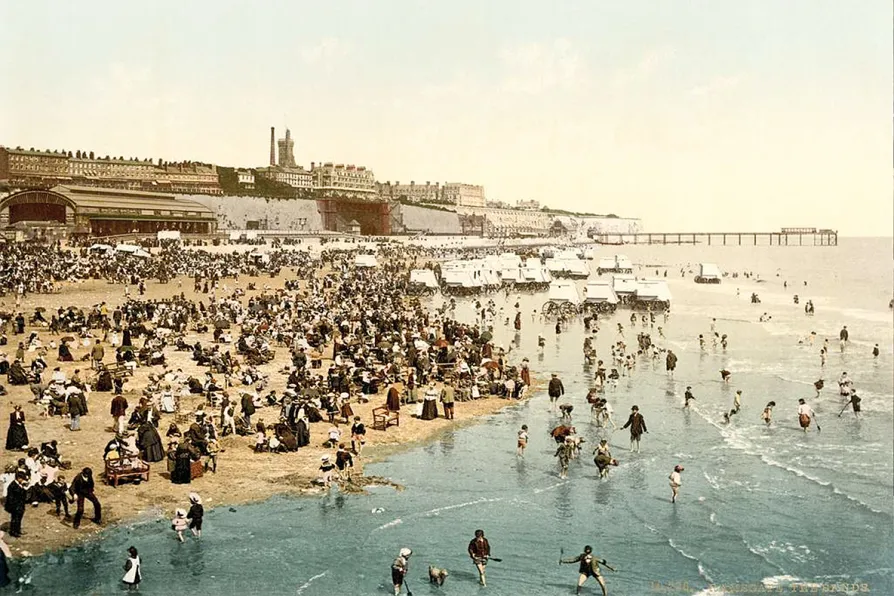
The summer saw the co-founders of modern communism travelling from Ramsgate to Neuenahr to Scotland in search of good weather, good health and good newspapers in the reading rooms, writes KEITH FLETT