All the evidence shows voters want Labour to shift to the left — but initial signs from Andy Burnham are worrying on that front, cautions DIANE ABBOTT


 Latest editorial
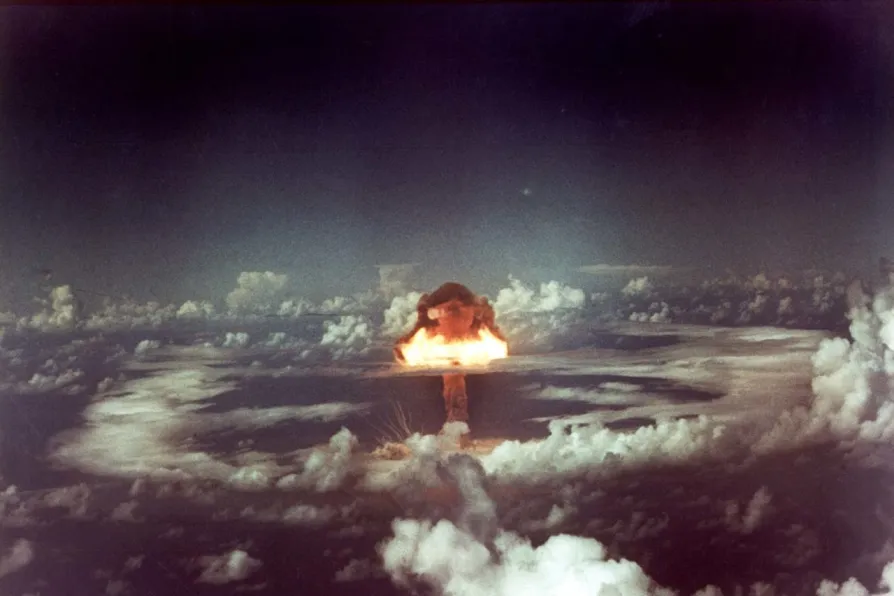
Europe’s ‘nuclear umbrella’ risks catastrophic escalation
As Macron and Merz propose French nuclear-armed jets be stationed in Poland and Germany, the dangerous implications for peace and the possibility of nuclear confrontation grow, warns SOPHIE BOLT
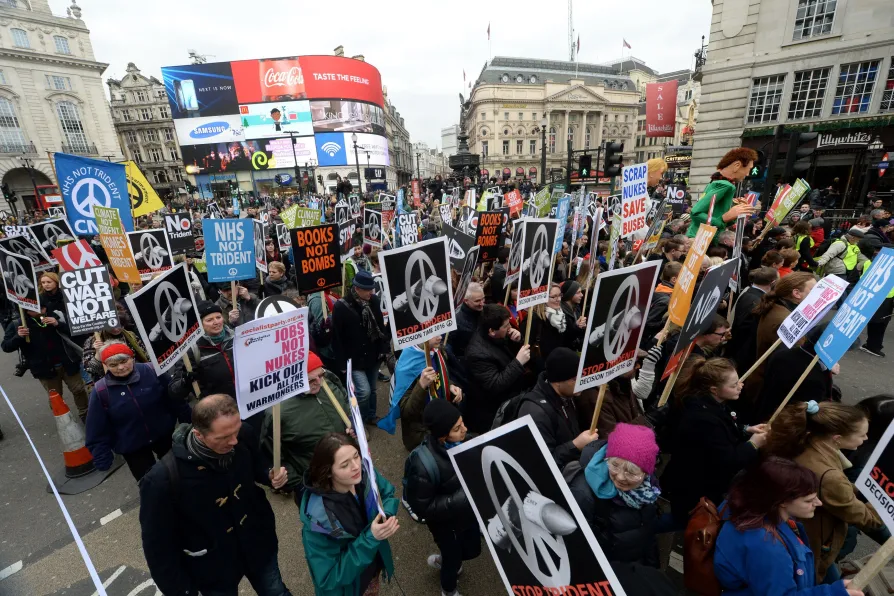 Protesters taking part in the Stop Trident protest march as they make their way through Piccadilly Circus, London, February 27, 2016
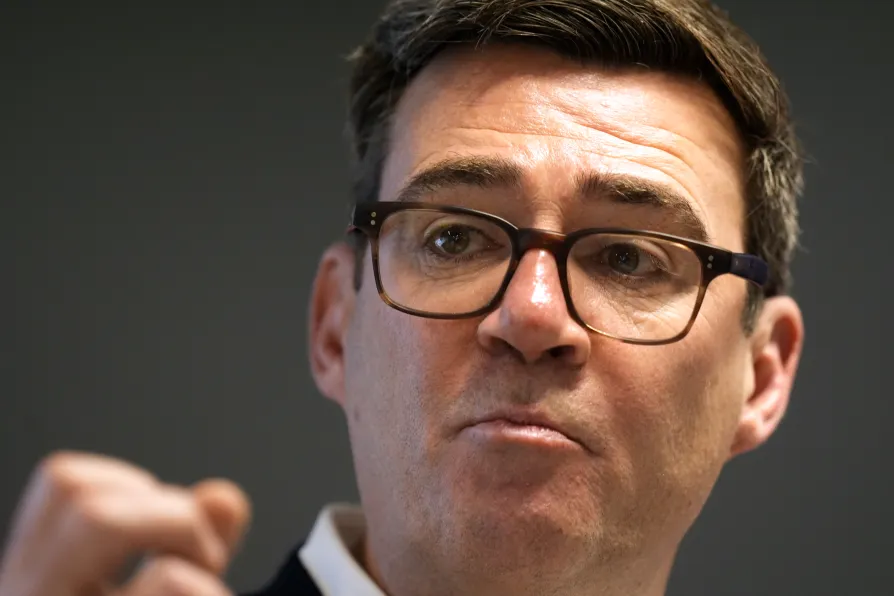
ANDY McDONALD MP says Labour must show it is capable of delivering real improvements in people’s lives — bold action is required
ANGUS REID and ANDREW JOHNSTONE report on an initiative that we must take this summer
ALLISON FEWTRELL on what Plaid Cymru's historic election victory means for the communities being failed by Wales’s housing crisis, and four things the new government can do right now
France Insoumise MP JEROME LEGAVRE speaks to Christophe Domec on building the Europe-wide peace movement that came together in the International Conference Against War last weekend
At last weekend’s International Conference Against War, LINDA PENTZ GUNTER talks to the Palestinian physician and politician about the struggles ahead to achieve a truly free Palestine





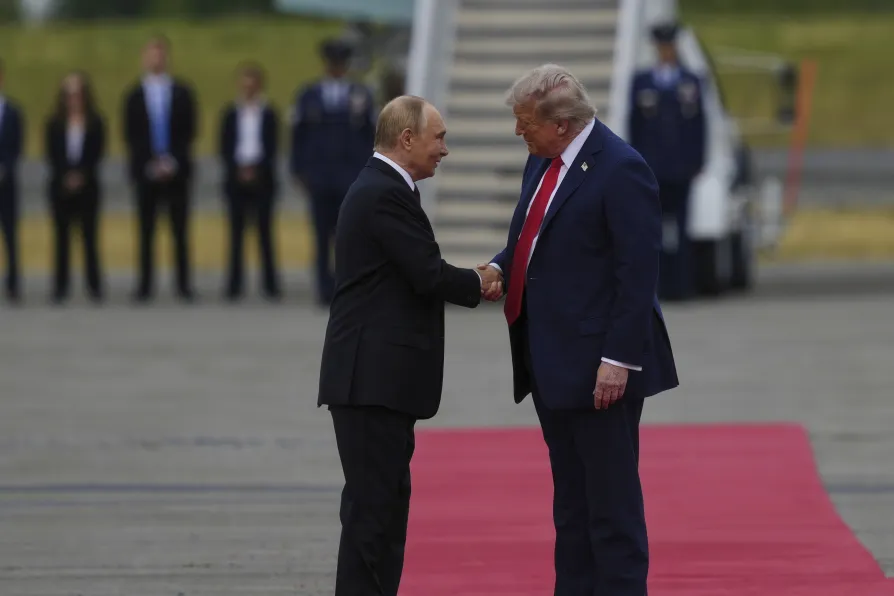
AS Trump brutally hammers out a settlement for Ukraine and Russia, he’s also been hammering Europe for vast, cold-war levels of military spending. And European leaders seem very keen to oblige.
Along with Keir Starmer’s so-called peace plan for a 30,000-strong European army, France’s Emmanuel Macron and Germany’s chancellor-in-waiting Friedrich Merz are pushing for a European “nuclear umbrella” — where France could deploy its nuclear-capable jets outside its borders. Merz also wants Britain to step up and deploy its British nuclear submarines to “defend” Europe against Russian aggression.
So what does this “nuclear umbrella” really mean in practice — and what are the risks?
Similar stories
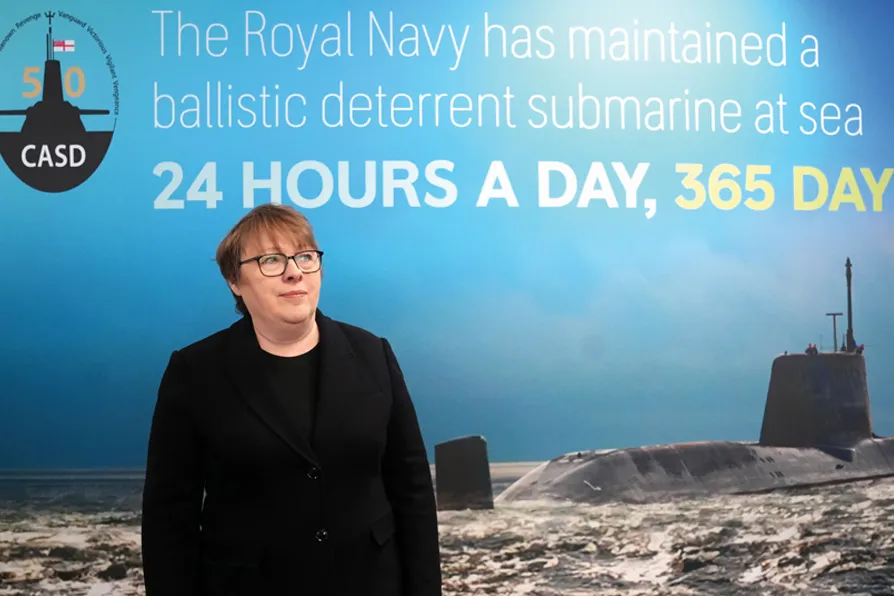
Expanding Britain’s nuclear capability increases the risk of nuclear confrontation. It does not keep us safe – it makes us a target, argues CAROL TURNER
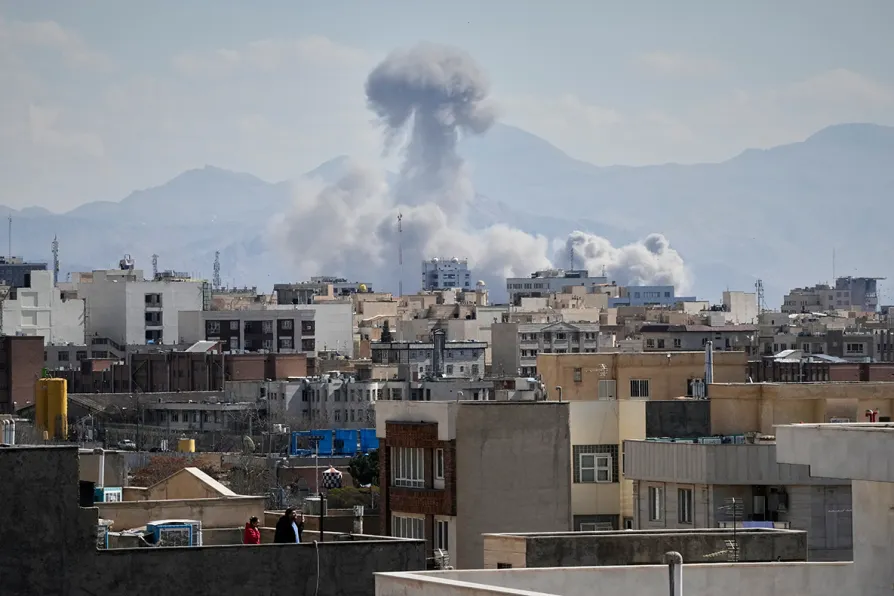
Tehran retaliates with attacks on Israel, the Gulf Arab states and crude oil flows