To rescue Kahlo from the clutches of the corporate art market, we need to acknowledge the overt and covert political dimensions of the work, demands GAVIN O’TOOLE


 Latest editorial
Comrades, not colleagues
HENRY BELL is moved by the account of scientists under seige in Leningrad who preferred to starve rather than sacrifice their life-saving work
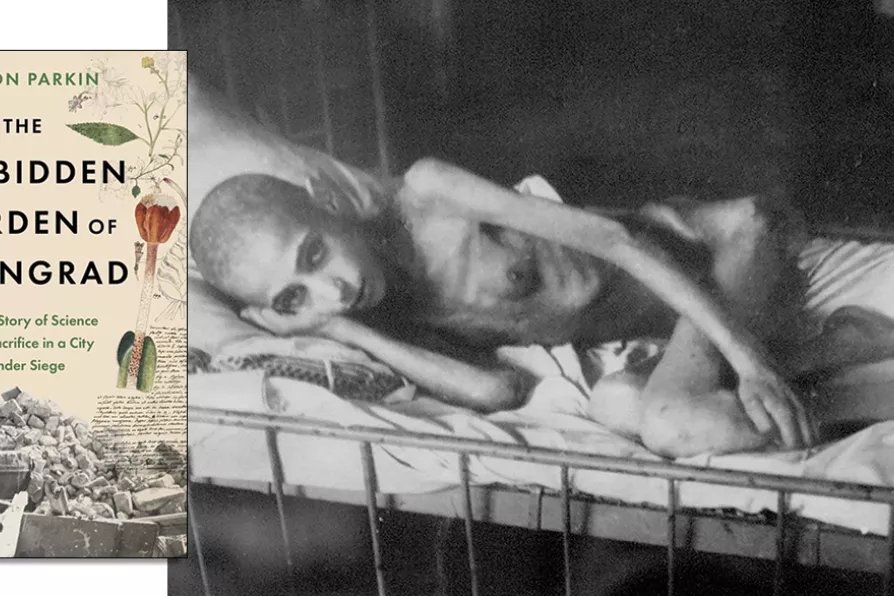 IMPOSSIBLE CHOICES: A victim of starvation in besieged Leningrad suffering from muscle atrophy, 1941
[George Shuklin/Museum of the Siege of Leningrad/CC]
IMPOSSIBLE CHOICES: A victim of starvation in besieged Leningrad suffering from muscle atrophy, 1941
[George Shuklin/Museum of the Siege of Leningrad/CC]
If you can see past the relentless commodification you will be rewarded by enormously powerful work, suggests JENNY MITCHELL
CHRIS SEARLE revels in the one-off collaboration between an American polymath and a British Muslim, and detects the presence of their revolutionary forebear
GORDON PARSONS revels in an ebullient production of Shakespeare’s magical comedy
BRENT CUTLER welcomes a thoughtful analysis of the Erdogan regime, viewed through the evolving history of a neighbourhood in Istanbul
GORDON PARSONS regrets the price, but is dazzled by an outstandingly ambitious study of the way art restoration in particular, and culture in general was weaponised by the Nazis





The Forbidden Garden of Leningrad
Simon Parkin, Sceptre, £25
IMAGINE being faced with the very real dilemma of whether you should eat your life’s work in order to survive. What if that life’s work was the very struggle against hunger itself. The scientists at the All Union Institute of Plant Breeding faced just this dilemma as they endured the longest and most brutal siege known to humanity, surrounded by the world’s first and greatest seedbank.
In 1941 the Plant Institute in Leningrad – a requisitioned palace filled with every variety of grain, potato, pulse and fodder – was at the heart of a city besieged by the armies of Nazi Germany. For nearly 900 days Leningrad held out against fascism in one of the most crucial stands of the second world war. Simon Parkin has produced a pacy and dramatic account of the Siege of Leningrad, centring on the scientists in the city, and the ordinary and extraordinary decisions they made in order that their work would survive.
Similar stories
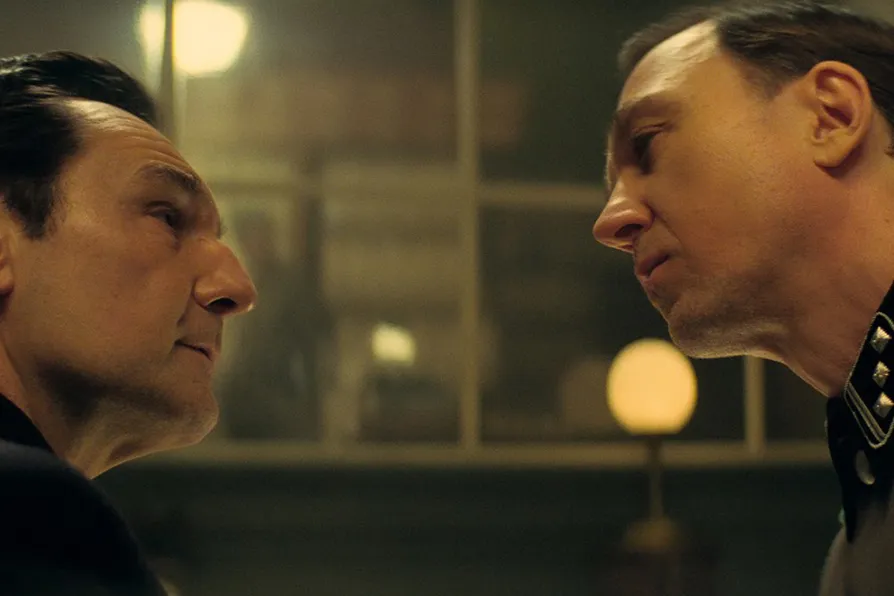
Rita Di Santo speaks to Hungarian director LASZLO NEMES about his new film, a portrait of the French Resistance leader and hero, Jean Moulin
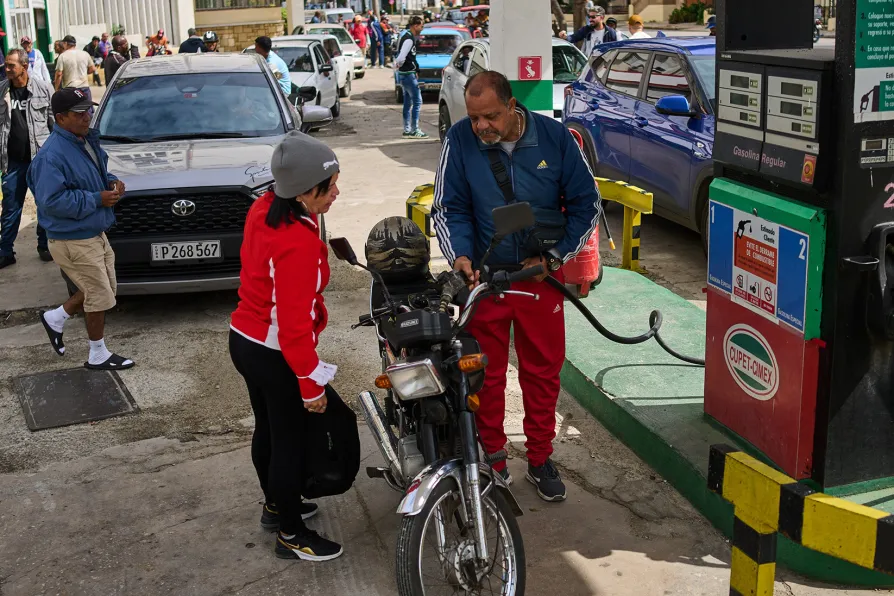
On January 29, US President Donald Trump declared Cuba an ‘unusual and extraordinary threat’ to US national security and tightened the blockade against the island nation MANOLO DE LOS SANTOS reports
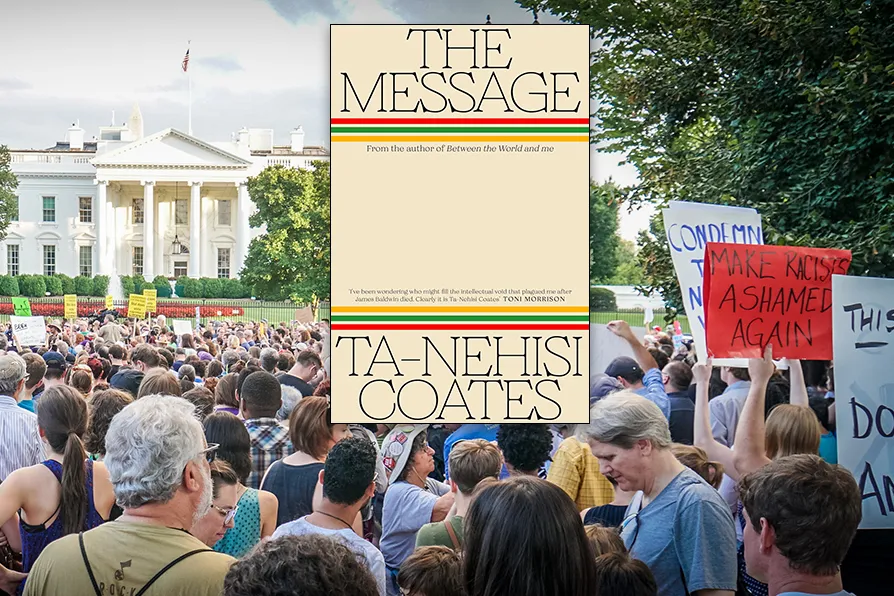
HENRY BELL welcomes a fine demonstration of the need to love the words themselves in the communication of political messages
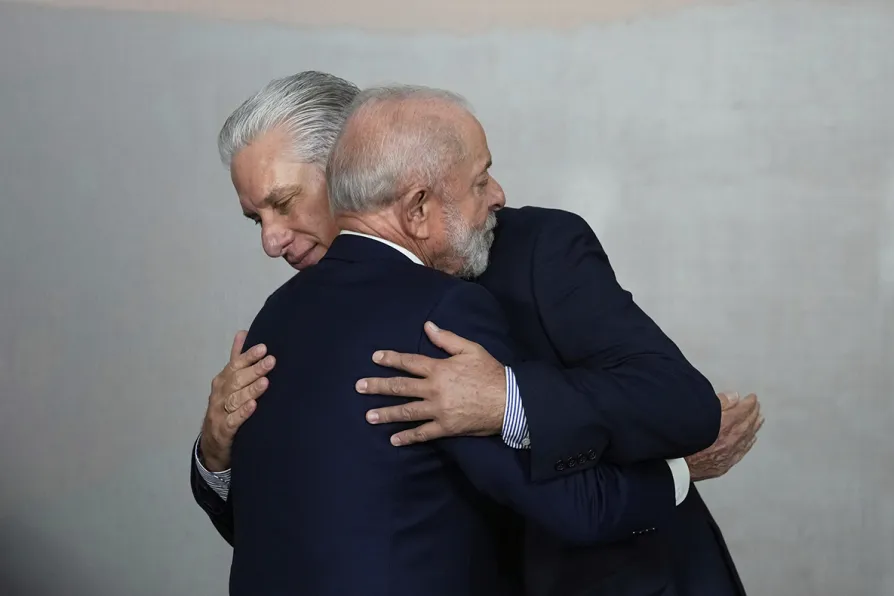
The recent speech by Cuba’s President Miguel Diaz-Canel is an affirmation of Amilcar Cabral’s revolutionary principle, writes ISAAC SANEY