All the evidence shows voters want Labour to shift to the left — but initial signs from Andy Burnham are worrying on that front, cautions DIANE ABBOTT


 Latest editorial
When Yuri Gagarin gave Britain’s ruling class a headache
MAT COWARD recalls the occasion when the first man in space paid a visit to our shores in 1961
 A crowd of people at Heathrow Airport, who had waited to see Major Yuri Gagarin (centre) the first man in space, as he arrived at the airport to fly home after a four day visit to the country, July 15, 1961
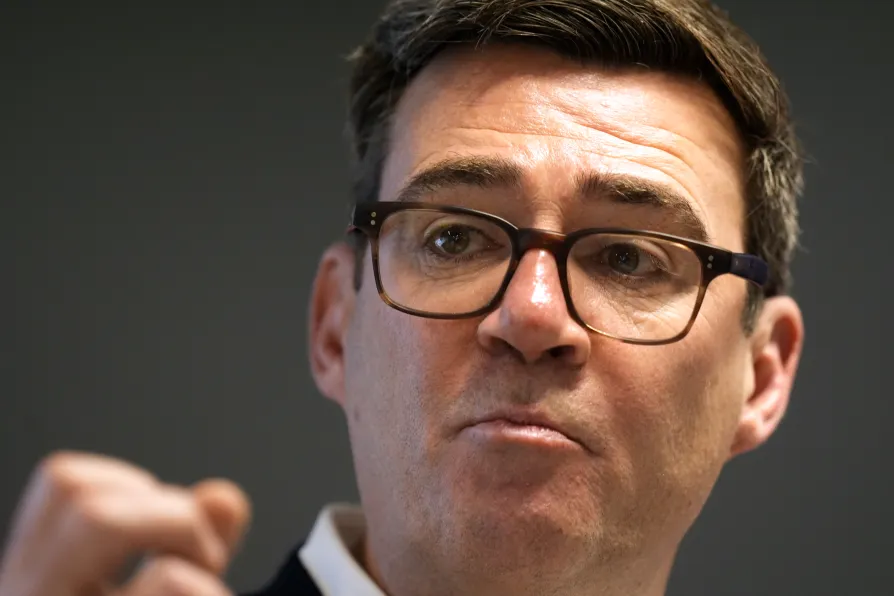
ANDY McDONALD MP says Labour must show it is capable of delivering real improvements in people’s lives — bold action is required
ANGUS REID and ANDREW JOHNSTONE report on an initiative that we must take this summer
ALLISON FEWTRELL on what Plaid Cymru's historic election victory means for the communities being failed by Wales’s housing crisis, and four things the new government can do right now
France Insoumise MP JEROME LEGAVRE speaks to Christophe Domec on building the Europe-wide peace movement that came together in the International Conference Against War last weekend
At last weekend’s International Conference Against War, LINDA PENTZ GUNTER talks to the Palestinian physician and politician about the struggles ahead to achieve a truly free Palestine




YURI GAGARIN, the first human to travel into outer space, was born on March 9 1934, so let’s celebrate his birthday by remembering the time he embarrassed a British Tory government simply by being charming.
The Soviet Union’s achievement in April 1961, in sending a crewed spaceship into orbit and bringing it safely back to Earth, was greeted worldwide as the start of a new scientific and historic epoch. Humankind had entered the space age, and as the cosmonaut at the centre of it, Gagarin, this humble, smiling son of a carpenter and a farmer, overnight became the word’s biggest celebrity.
He was sent on a celebratory world tour, which reached Britain in July. This was a political headache for the British government; the cold war meant that Britain, as an ally of the US, was reluctant to give a hero’s welcome to a representative of the enemy. It was particularly embarrassing to do so at a time when the US’s own space programme was struggling, and failing, to catch up with the USSR’s.
Similar stories
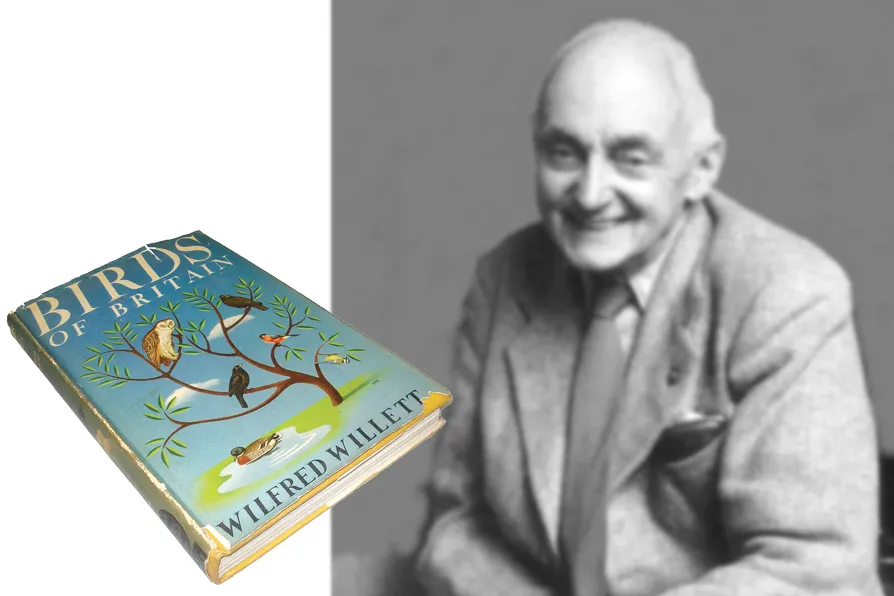
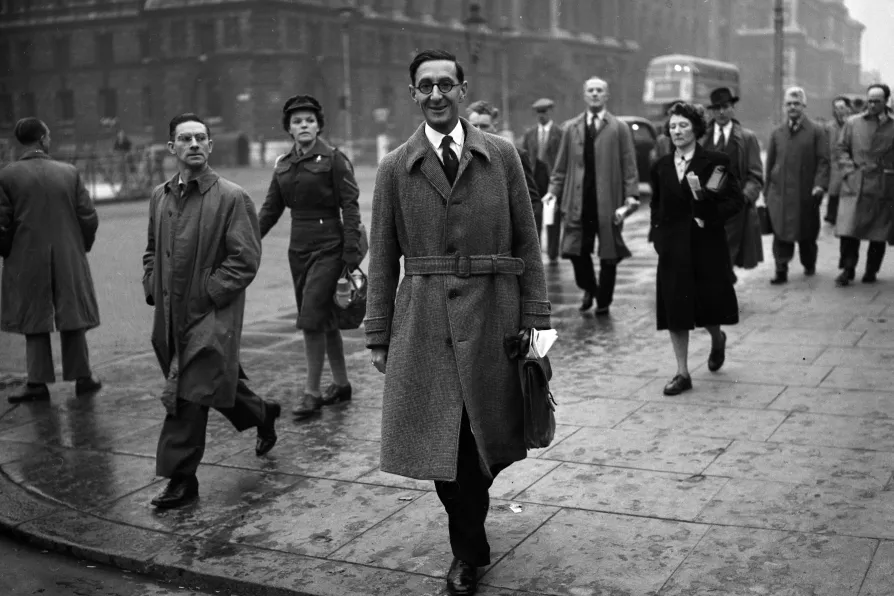
A WWI hero, renowned ornithologist, medical doctor, trade union organiser and founder member of the Communist Party of Great Britain all rolled in one. MAT COWARD tells the story of a life so improbable it was once dismissed as fiction
MAT COWARD tells the story of the eccentric founder of a short-lived but striking experiment in ‘vital democracy,’ who became best known for giving away his estate to the nation
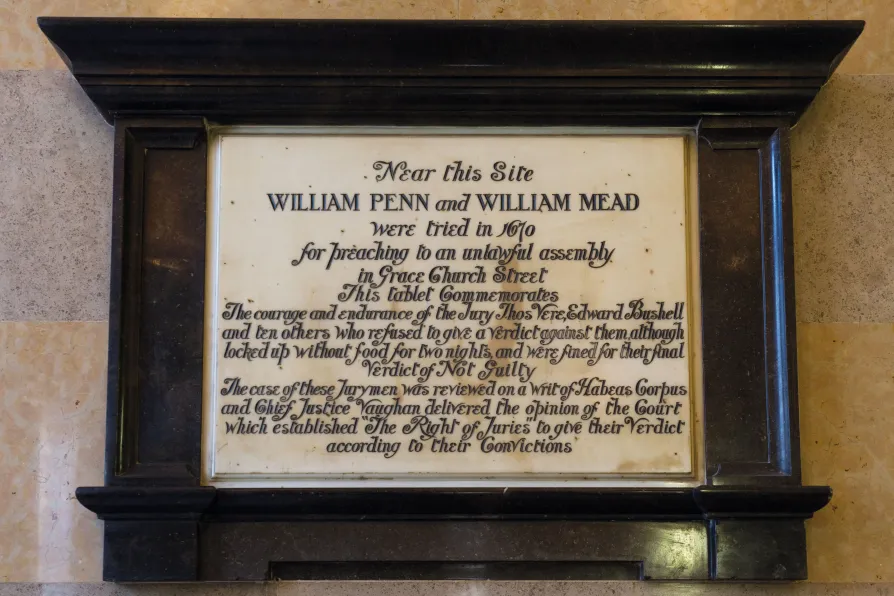
The heroism of the jury who defied prison and starvation conditions secured the absolute right of juries to deliver verdicts based on conscience — a convention which is now under attack, writes MAT COWARD
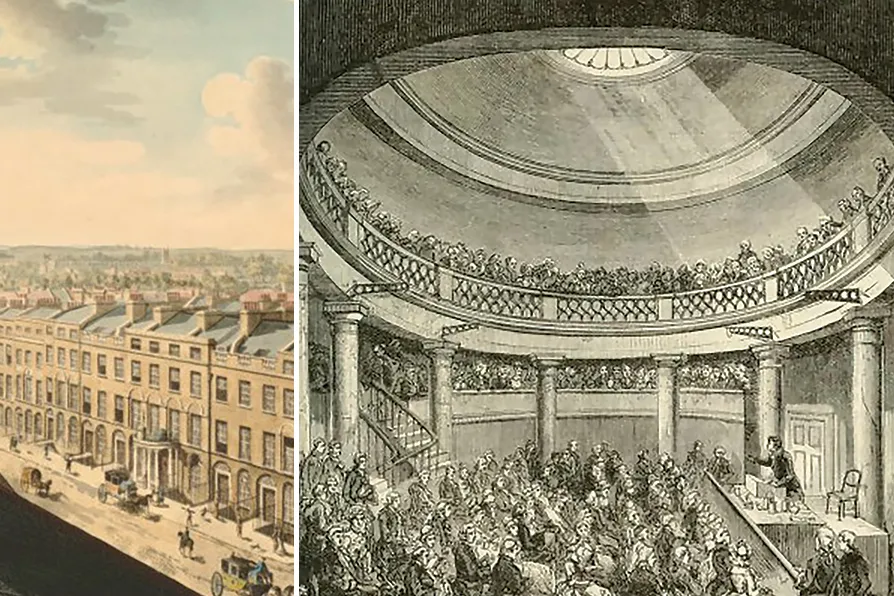
While an as-yet-unnamed new left party struggles to be born, MAT COWARD looks at some of the wild and wonderful names of workers’ organisations past that have been lost to time