All the evidence shows voters want Labour to shift to the left — but initial signs from Andy Burnham are worrying on that front, cautions DIANE ABBOTT


 Latest editorial
Building on decades of popular resistance
RAMZY BAROUD presents a guide on the boycott, divestment and sanctions movement

ANDY McDONALD MP says Labour must show it is capable of delivering real improvements in people’s lives — bold action is required
ANGUS REID and ANDREW JOHNSTONE report on an initiative that we must take this summer
ALLISON FEWTRELL on what Plaid Cymru's historic election victory means for the communities being failed by Wales’s housing crisis, and four things the new government can do right now
France Insoumise MP JEROME LEGAVRE speaks to Christophe Domec on building the Europe-wide peace movement that came together in the International Conference Against War last weekend
At last weekend’s International Conference Against War, LINDA PENTZ GUNTER talks to the Palestinian physician and politician about the struggles ahead to achieve a truly free Palestine





The boycott, divestment and sanctions (BDS) movement was the outcome of several events that shaped the Palestinian national struggle and international solidarity with the Palestinian people following the second intifada in 2000.
Building on a decades-long tradition of civil disobedience and popular resistance, and invigorated by growing international solidarity with the Palestinian struggle as exhibited at the World Conference against Racism in Durban, South Africa, in 2001, Palestinians moved into action.
In 2004, the Palestinian Campaign for the Academic and Cultural Boycott of Israel (PACBI) called for the boycott of Israeli government and academic institutions for their direct contributions to the military occupation and subjugation of the Palestinian people. This was followed in 2005 by a sweeping call for boycott made by 170 Palestinian civil society organisations.

Similar stories
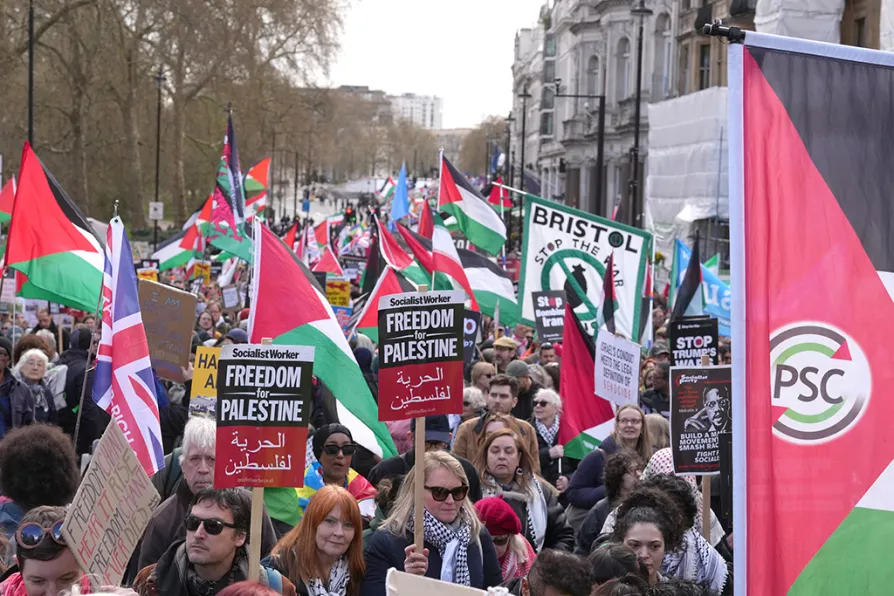
The struggle for Palestinian freedom has become a defining issue for everyone committed to justice, democracy and peace, says PETER LEARY ahead of the Stop the War International Conference on Saturday
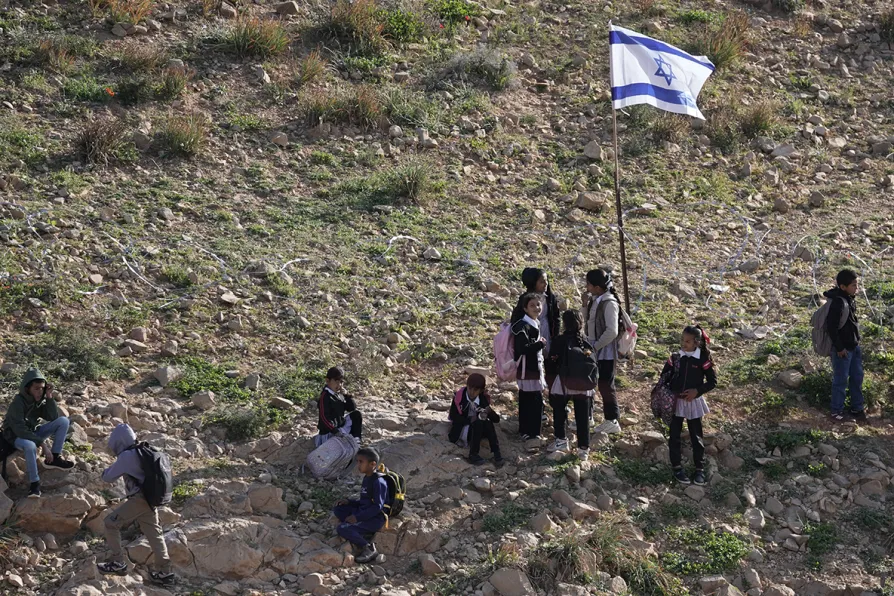
Bezalel Smotrich’s measures to extend Israeli property law into the West Bank are a continuation of a decades-long project to dispossess Palestinians and preclude statehood, argues HUGH LANNING
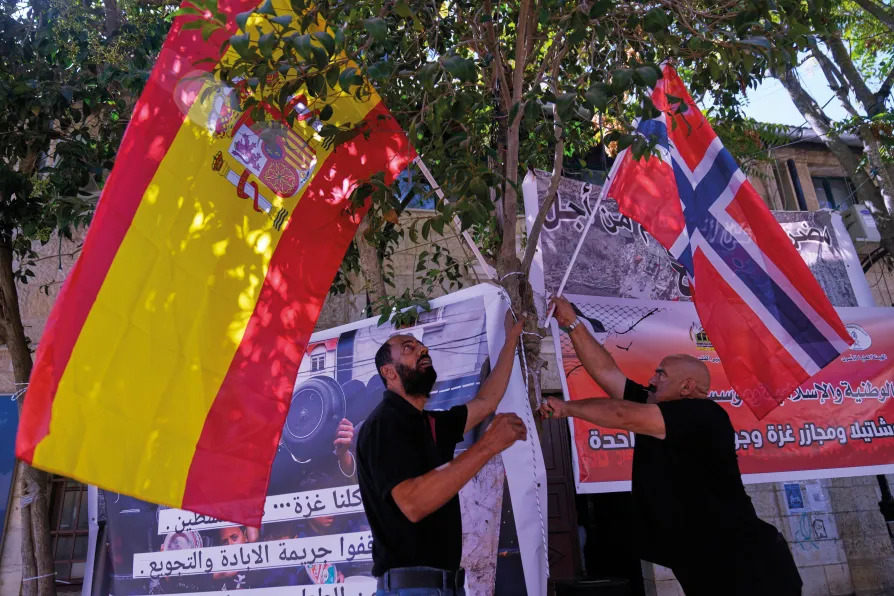
Spain has joined South Africa’s ICJ genocide case against Israel while imposing weapons bans and port restrictions, moves partly driven by trade unions — proving just how effectively civil society can reshape government policy, writes RAMZY BAROUD
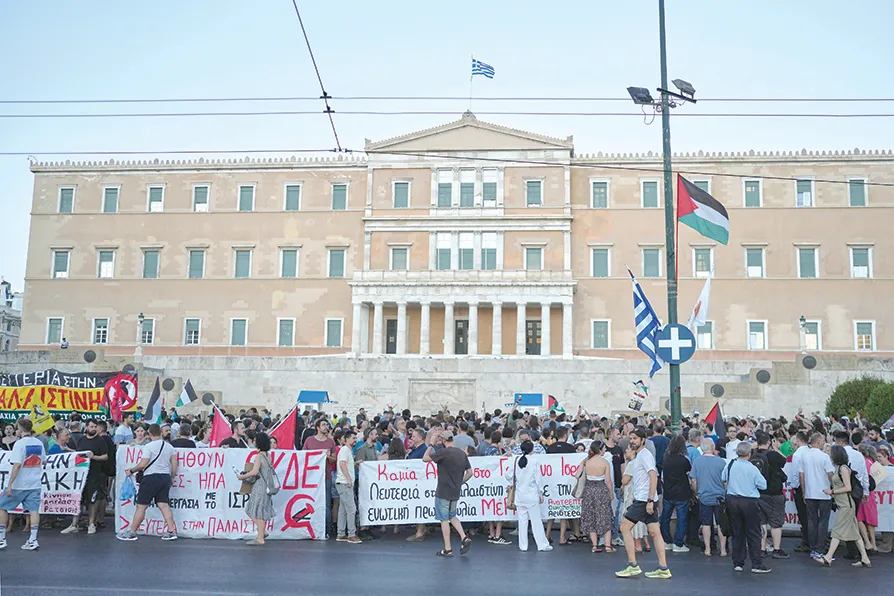
HUGH LANNING reports on an initiative that will aim at counteracting the anti-Palestine narratives spoon-fed to Western governments and the mass media by Israel’s propaganda machine