All the evidence shows voters want Labour to shift to the left — but initial signs from Andy Burnham are worrying on that front, cautions DIANE ABBOTT


 Latest editorial
How Tony Benn helped create Radio One
KEITH FLETT explores one of history's little conundrums
ANDY McDONALD MP says Labour must show it is capable of delivering real improvements in people’s lives — bold action is required
ANGUS REID and ANDREW JOHNSTONE report on an initiative that we must take this summer
ALLISON FEWTRELL on what Plaid Cymru's historic election victory means for the communities being failed by Wales’s housing crisis, and four things the new government can do right now
France Insoumise MP JEROME LEGAVRE speaks to Christophe Domec on building the Europe-wide peace movement that came together in the International Conference Against War last weekend
At last weekend’s International Conference Against War, LINDA PENTZ GUNTER talks to the Palestinian physician and politician about the struggles ahead to achieve a truly free Palestine





AT MIDNIGHT on August 14 1967, the Marine Offences Act made broadcasting from a boat off the British mainland illegal.
That meant the end for most of the pirate radio stations that had broadcast, primarily off the Essex coast, since 1964, although Radio Caroline continued and was joined for a period by Radio North Sea which was run from the Netherlands.
Many of the DJs on the pirate ships went on to work for BBC Radio One, which was set up as the official alternative, including of course John Peel.

Similar stories
The PM is drawing cautious distance from Donald Trump over Iran – but history suggests Britain’s support may run deeper than it appears, just as it did during the Vietnam war, says KEITH FLETT
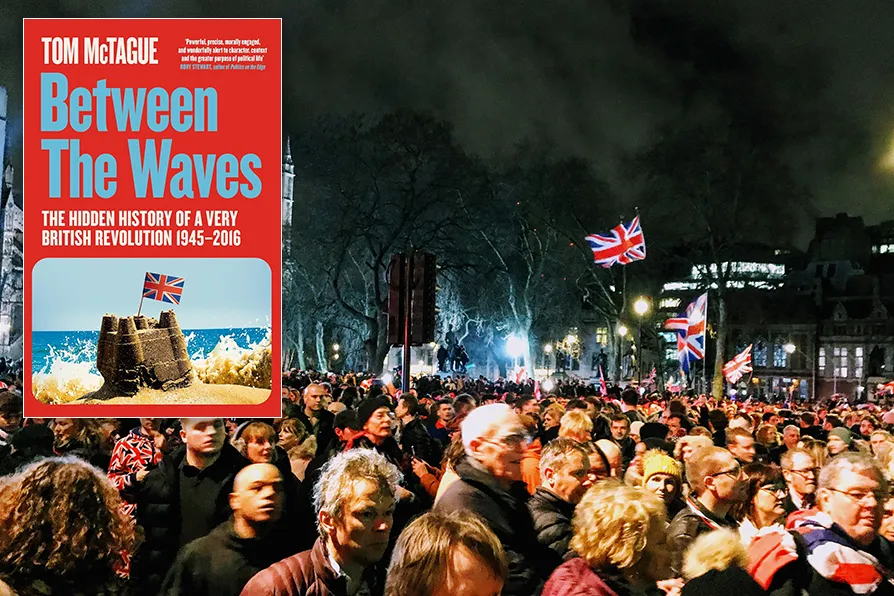
MARTIN HALL welcomes a study of Britain’s relationship with the EU that sheds light on the way euroscepticism moved from the margins to the centre
Who you ask and how you ask matter, as does why you are asking — the history of opinion polls shows they are as much about creating opinions as they are about recording them, writes socialist historian KEITH FLETT

From sexual innuendo about Blackpool Rock to Bob Dylan’s ‘God-almighty world,’ the corporation’s classist moral custodianship of pop music has created a roll call of censored artists anyone would feel honoured to join, writes NICK MATTHEWS