All the evidence shows voters want Labour to shift to the left — but initial signs from Andy Burnham are worrying on that front, cautions DIANE ABBOTT


 Latest editorial
August 100 years ago: attacks on the Bolshevik revolution and transport workers’ strikes
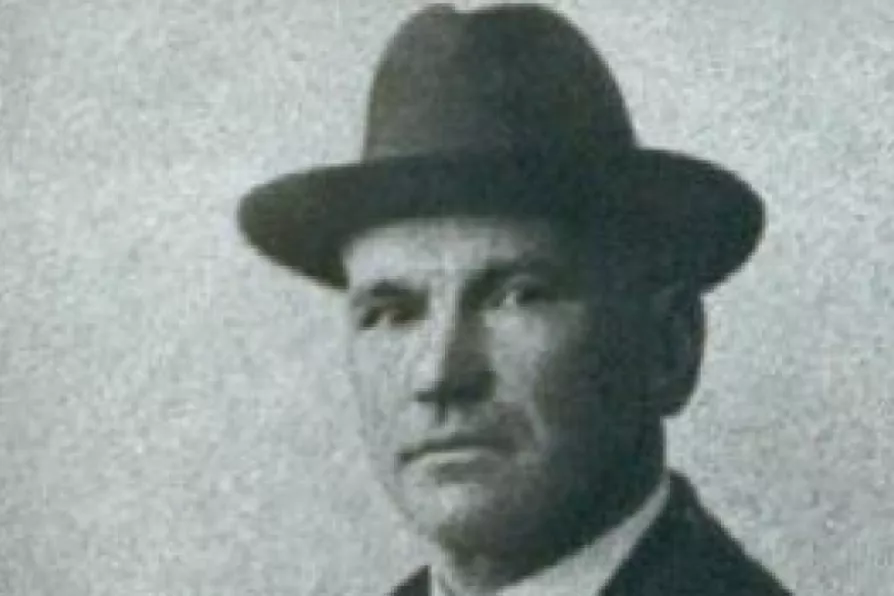 Scottish socialist John Maclean, whose five-year jail sentence for anti-war agitation reflected his influence in Scotland, was in Peterhead prison
ANDY McDONALD MP says Labour must show it is capable of delivering real improvements in people’s lives — bold action is required
ANGUS REID and ANDREW JOHNSTONE report on an initiative that we must take this summer
ALLISON FEWTRELL on what Plaid Cymru's historic election victory means for the communities being failed by Wales’s housing crisis, and four things the new government can do right now
France Insoumise MP JEROME LEGAVRE speaks to Christophe Domec on building the Europe-wide peace movement that came together in the International Conference Against War last weekend
At last weekend’s International Conference Against War, LINDA PENTZ GUNTER talks to the Palestinian physician and politician about the struggles ahead to achieve a truly free Palestine





AS the fifth year of the world war replaced the fourth in August 1918, socialists in Britain were much alive to the danger to the Bolshevik revolution posed by British troops in Russia’s north.
The Labour Leader declared on the 1st that the Independent Labour Party’s national council was appealing for “the strongest condemnation of the participation of the British government in an act which constitutes a crime against national independence and against the Russian revolution.”
The British Socialist Party’s weekly, The Call, printed a letter from Workers Socialist Federation leader Sylvia Pankhurst and others headed: “SAVE THE REVOLUTION,” calling for action to help Russian comrades.

Similar stories
The defence secretary’s resignation reveals not a split over principle but a dispute over pace of military spending, as Britain’s political Establishment unites behind deeper Nato commitments, argues NICK WRIGHT
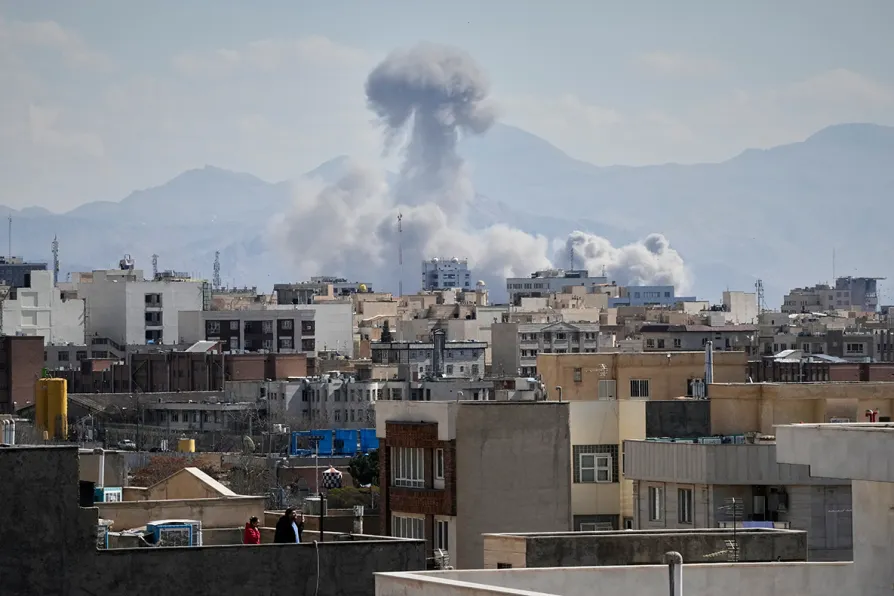
Tehran retaliates with attacks on Israel, the Gulf Arab states and crude oil flows
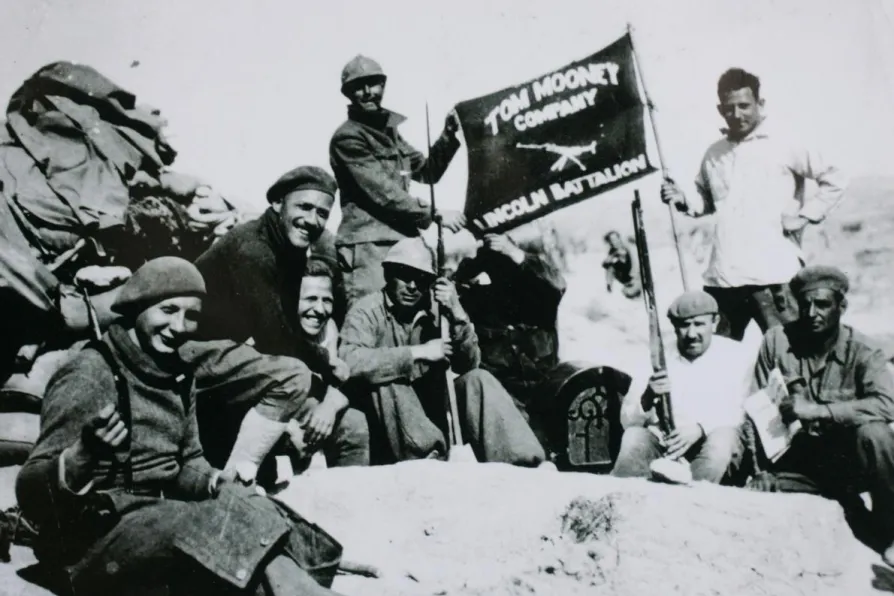
CJ ATKINS commemorates one of the most dramatic moments in working-class history
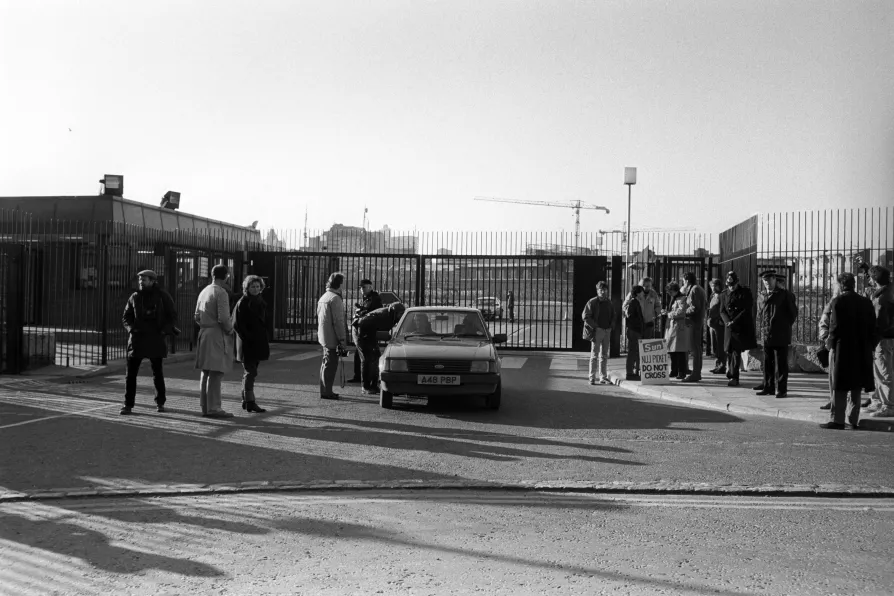
JOHN LANG recalls how Murdoch used scabbing electricians and even devised a fake newspaper to force a confrontation with printers – then sacked them all