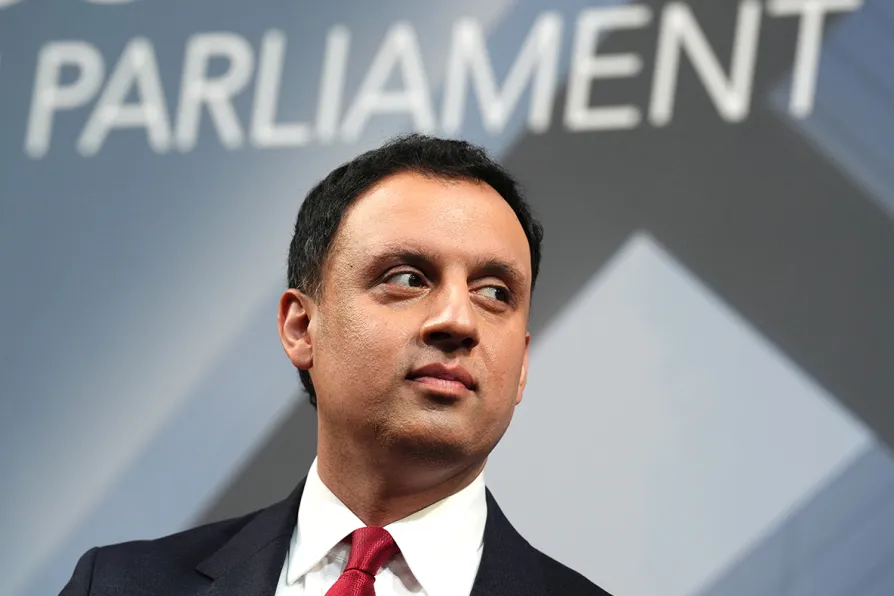
Scottish Labour's leaders cannot keep blaming Westminster for the collapse at the ballot box, says VINCE MILLS


 Latest editorial

Britain needs to stop arming Saudi Arabia immediately
CHRIS NINEHAM calls the the anti-war movement to action with this simple yet crucial demand
 Demonstrators protest against the visit of Major General Ahmad Hassan Mohammad Asirim, spokesman to Britain for the Saudi-led coalition in Yemen
Over 30 years since apartheid was abolished, nasty anti-migrant rhetoric sweeps the corporate media. The Commnunist Party is ready to fight back, says ROGER McKENZIE
Over 100,000 people are expected on Brussels’s streets today. Ben Chacko speaks to Belgian Workers Party’s PETER MERTENS on wage and pensions attacks that have united the fightback
FRED BAYER says the cuts to the congress cycle could be disastrous for the Scottish trade union movement
Berlin’s Soviet war memorials are becoming the latest front in a political struggle to ‘de-Sovietise’ German history. NICO POPP reports
Western Marxism is a particular version of Marxist theory developed in – and acceptable to – the capitalist nations of Europe and North America and largely divorced from political action, argues the MARX MEMORIAL LIBRARY





THIS is a dangerous moment for the Middle East. Saudi-led forces have launched a new offensive on the Yemeni port of Hodeida. This is the country’s main port and the entry point for most of the country’s trade and for international aid.
The three-year war has already been devastating. This offensive could lead to the worst humanitarian disaster anywhere in the world since the second world war.
This is why Stop the War is organising a tour of public meetings and events publicising the crisis and building the widest possible campaign to end arms sales to Saudi and stop the war on Yemen.
Last month, a UN report outlined the gravity of the situation. Already, an astonishing 75 per cent of the population, 22 million people, need humanitarian assistance and protection. The percentage of the population in poverty has shot up from 49 per cent last year to 79 per cent now, as 8.4 million people don’t know where their next meal is coming from.
If an attack forces the port at Hodeida to close, there will be carnage. The UN suggests as many as 13 million people may die as a direct result.
As well as causing almost unimaginable suffering, it will destabilise the whole area by creating new flows of migration and ratcheting up tension between the region’s big powers.

Similar stories
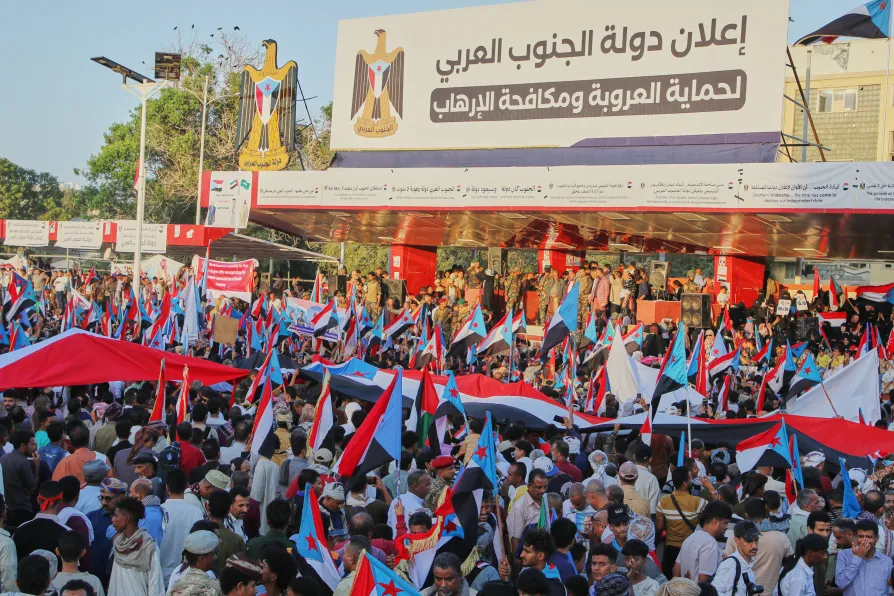
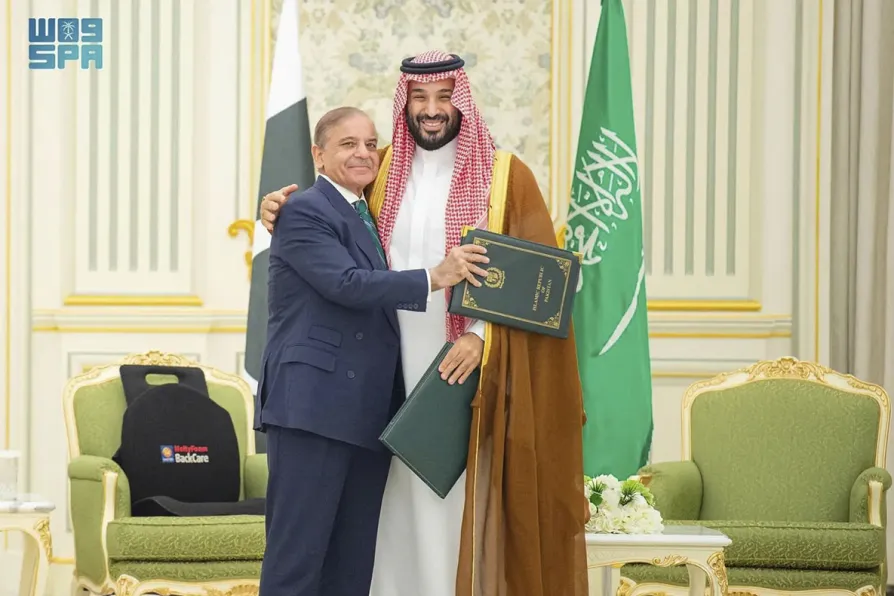
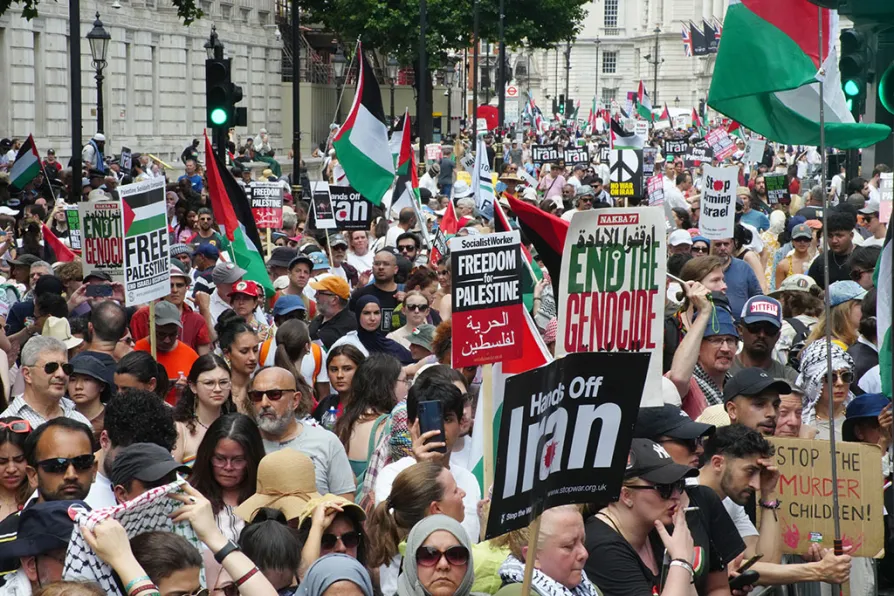
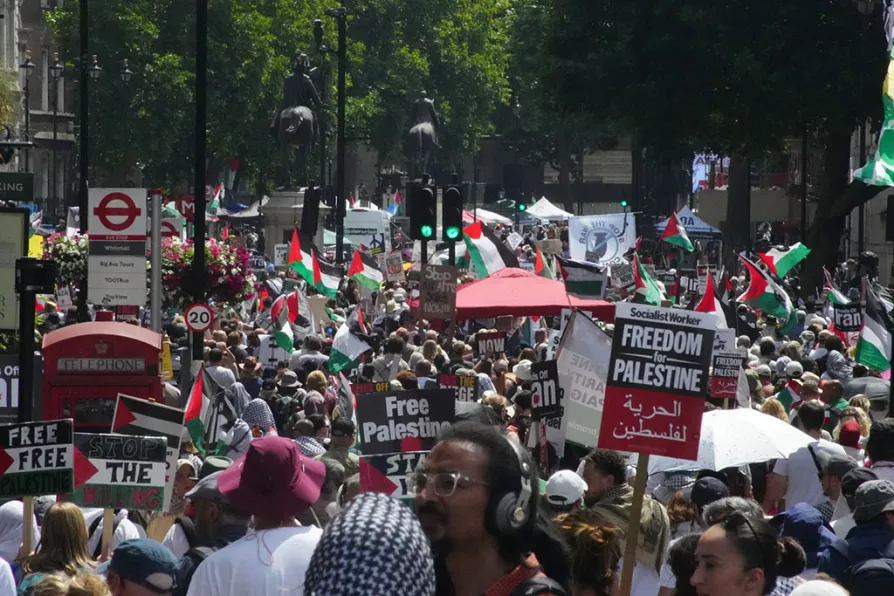
LINDA PENTZ GUNTER reports from London’s massive demonstration, where Iranian flags joined Palestinian banners and protesters warned of the dangers of escalation by the US, only hours before a fresh phase of the war began