All the evidence shows voters want Labour to shift to the left — but initial signs from Andy Burnham are worrying on that front, cautions DIANE ABBOTT


 Latest editorial
November 1918 — one war ending, another continues
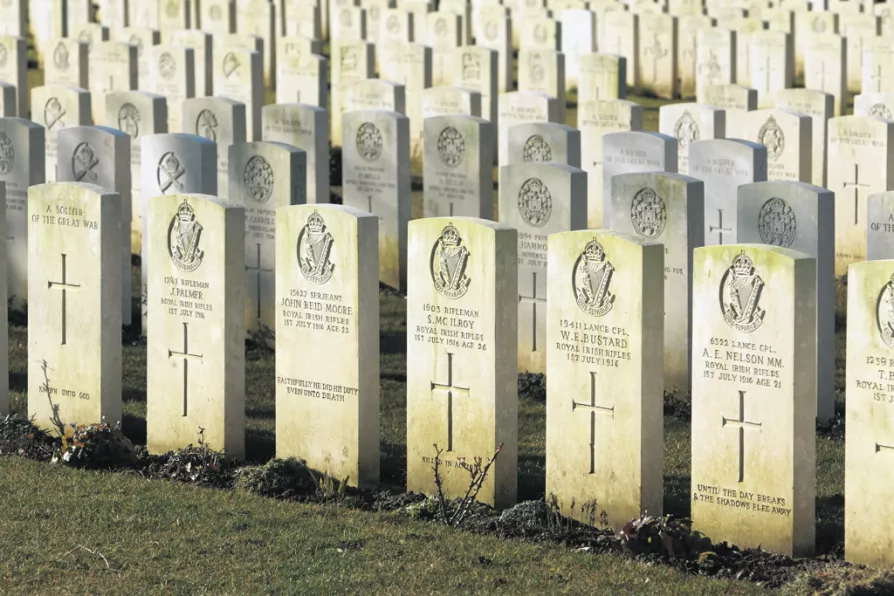
JOHN ELLISON gives a history of how the left press reported the end of WW1 and the start of hostilities towards socialist Russia
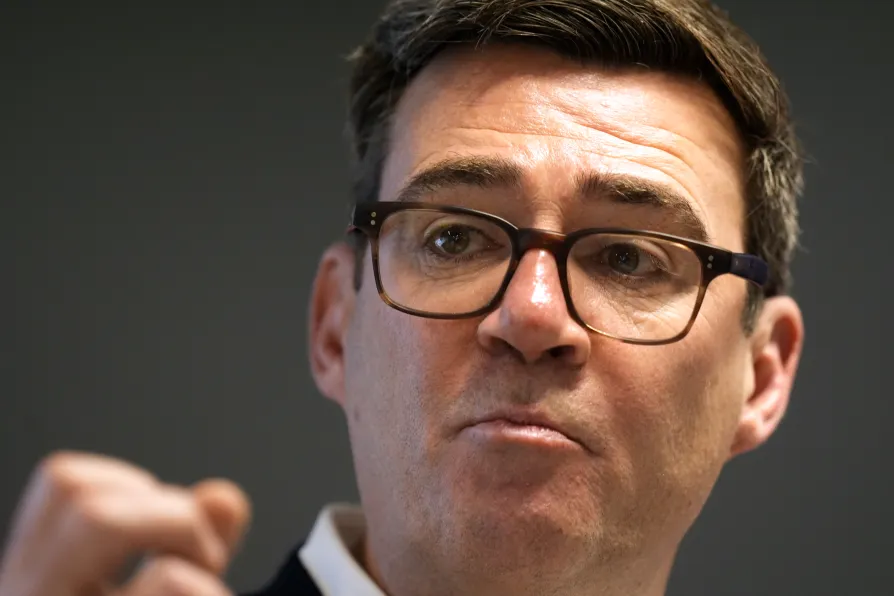
ANDY McDONALD MP says Labour must show it is capable of delivering real improvements in people’s lives — bold action is required
ANGUS REID and ANDREW JOHNSTONE report on an initiative that we must take this summer
ALLISON FEWTRELL on what Plaid Cymru's historic election victory means for the communities being failed by Wales’s housing crisis, and four things the new government can do right now
France Insoumise MP JEROME LEGAVRE speaks to Christophe Domec on building the Europe-wide peace movement that came together in the International Conference Against War last weekend
At last weekend’s International Conference Against War, LINDA PENTZ GUNTER talks to the Palestinian physician and politician about the struggles ahead to achieve a truly free Palestine





NEWSPAPER readers in Britain looking back from November 1918 would have appreciated that the balance of military forces on the Western Front, after four years of relative stability, had changed crucially in the Allies’ favour since August, causing the front to move remorselessly eastwards towards Germany’s frontiers.
But readers remained insulated from the human reality of the war’s daily horrors by authoritarian censorship and by unconditional support for the war given by war correspondents and mainstream editors, who were generally even reluctant to draw attention to the decisive role since the summer of the fresh million-plus US army.
In 1936, the then editor of this paper’s predecessor, the Daily Worker, Rajani Palme Dutt summed up the war in his classic World Politics. “The war of 1914 was inevitable in the sense that imperialism could find no other solution for its conflicts … The outbreak of the war … revealed that the world forces unloosed by imperialism had fully outstripped the control of the statesmen of imperialism … The war, once begun, drove forward with its own murderous logic … The Gordian knot … was finally cut by the sword of the revolution … The Russian Revolution ended the war in the East. The German Revolution ended the war in the West.”

Similar stories
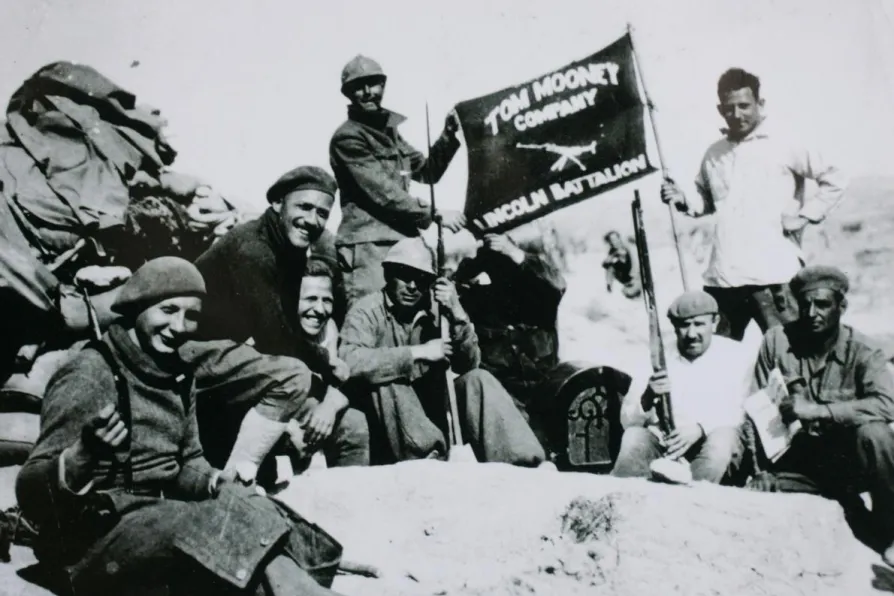
CJ ATKINS commemorates one of the most dramatic moments in working-class history
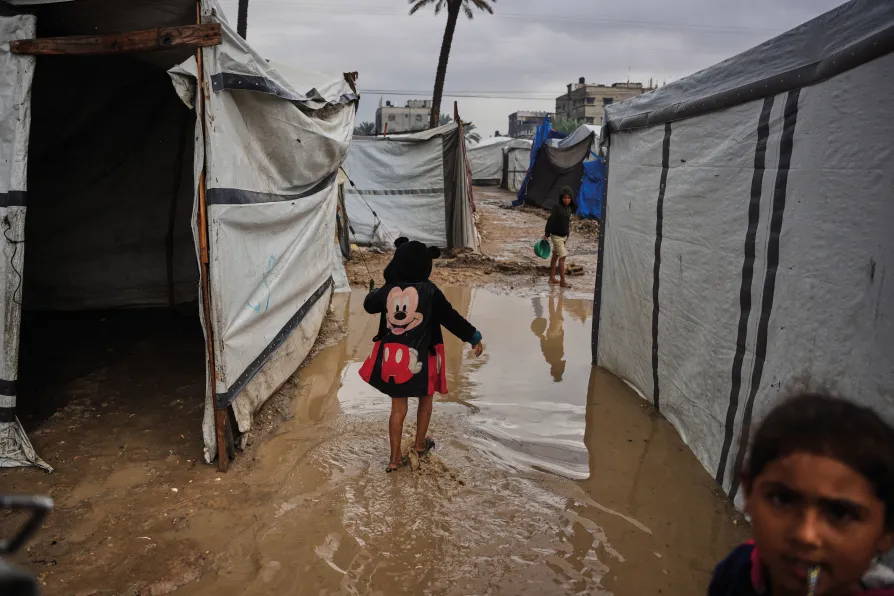
Washington and its Western allies decry human rights abuses while arming and shielding Israel, turning contradiction into policy, argues RAMZY BAROUD
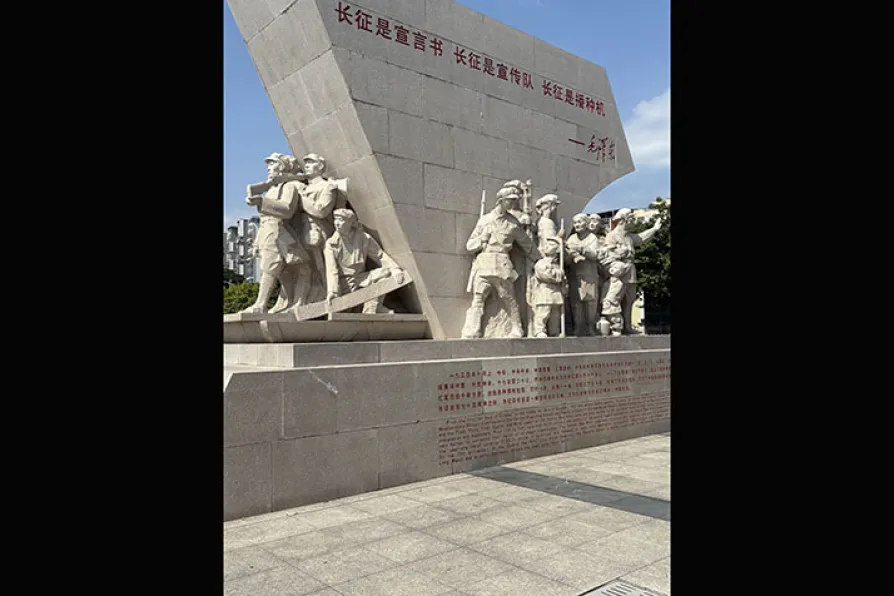
STEPHEN BELL reports from a delegation that traced the steps of China’s socialist revolution from its first modest meetings to the Red Army’s epic 9,000km battle to create the modern nation that today defies every capitalist assumption
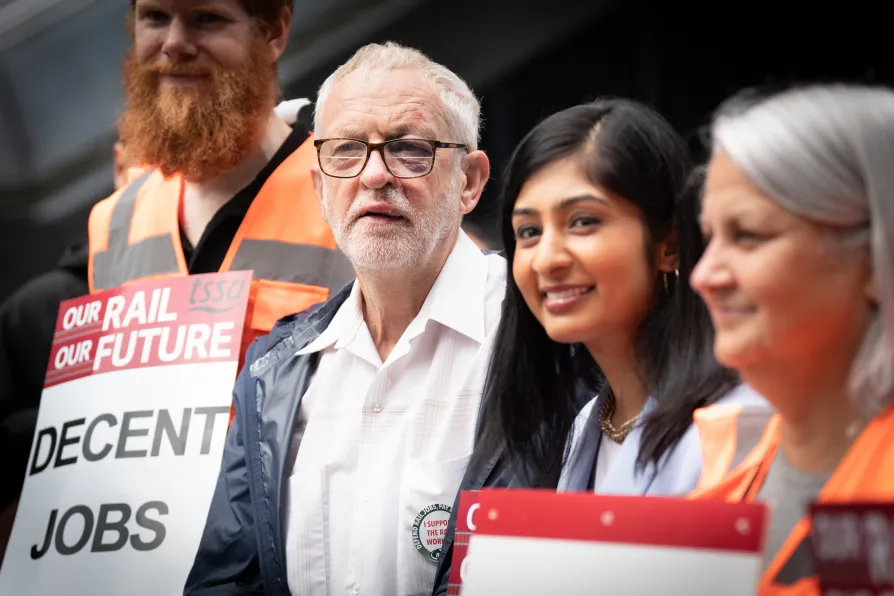
Corbyn and Sultana’s ‘Your Party’ represents the first attempt at mass socialist organisation since the CPGB’s formation in 1921, argues DYLAN MURPHY