All the evidence shows voters want Labour to shift to the left — but initial signs from Andy Burnham are worrying on that front, cautions DIANE ABBOTT


 Latest editorial
Then they came for the feminists…
With women the world over once again facing the beginnings of neonazi persecution, we should be thinking urgently about organised resistance, says LOUISE RAW
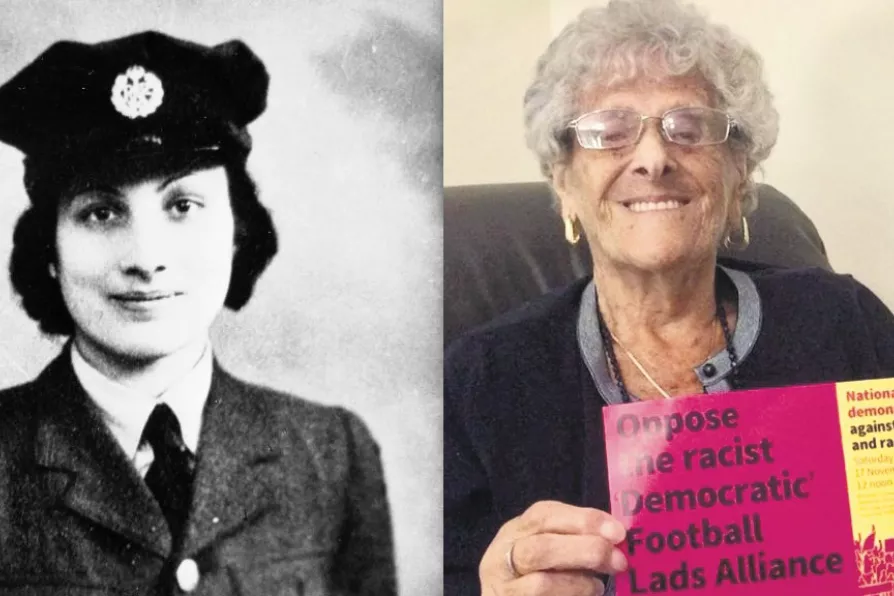 Anti-nazi radio operator Noor Inayaat Khan and Beatty Orwell, who fought Oswald Mosley’s Blackshirts as a teenager

ANDY McDONALD MP says Labour must show it is capable of delivering real improvements in people’s lives — bold action is required
ANGUS REID and ANDREW JOHNSTONE report on an initiative that we must take this summer
ALLISON FEWTRELL on what Plaid Cymru's historic election victory means for the communities being failed by Wales’s housing crisis, and four things the new government can do right now
France Insoumise MP JEROME LEGAVRE speaks to Christophe Domec on building the Europe-wide peace movement that came together in the International Conference Against War last weekend
At last weekend’s International Conference Against War, LINDA PENTZ GUNTER talks to the Palestinian physician and politician about the struggles ahead to achieve a truly free Palestine





KINDER, Kuche, Kirche — not lesser-known Kardashian sisters, but Nazi ideals for women.
Heinrich Himmler reduced these “three Ks (“children, kitchen, church”) even further; women had only to “be beautiful and to bring children into the world,” opined the man with a face reminiscent of a partly baked potato.
The Nazis were never consistent in their responses to the “woman question.” While publicly encouraging only married motherhood, giving women incentives to marry, they also told the SS and German military to impregnate as many “Aryan” women as possible, in or out of wedlock — a policy Himmler personally pursued with his mistresses.

Similar stories
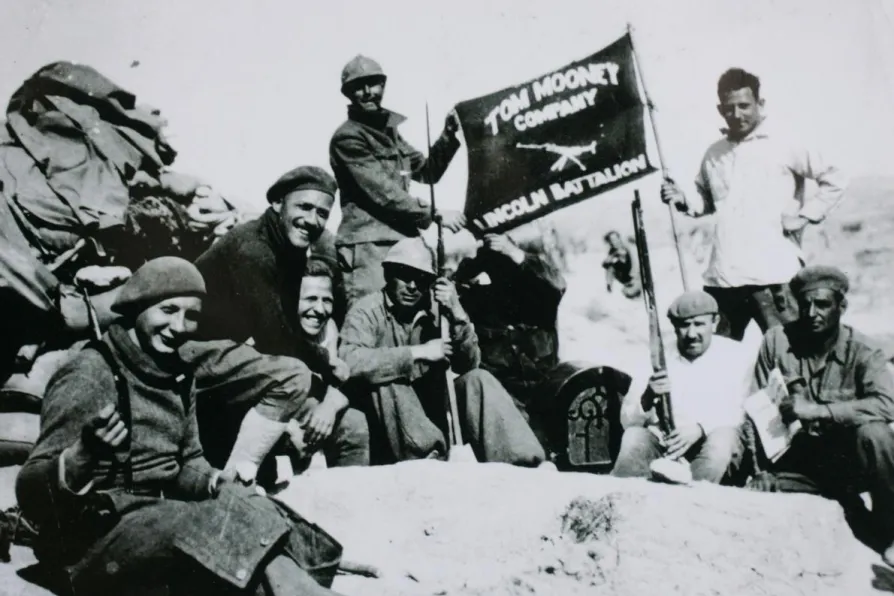
CJ ATKINS commemorates one of the most dramatic moments in working-class history
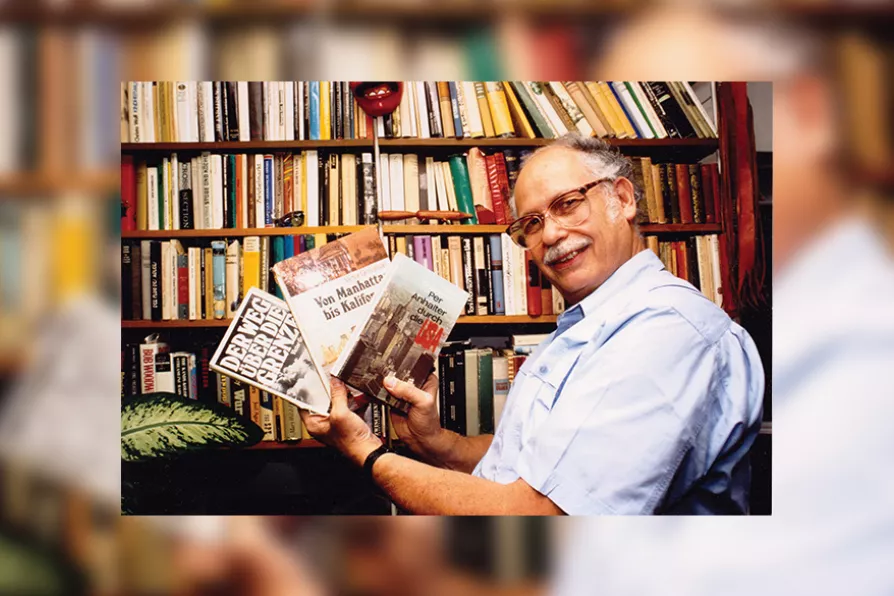
Hundreds in Berlin gathered on January 15 to honour the US-born socialist who made East Germany his home. Florentine Morales Sandoval reports
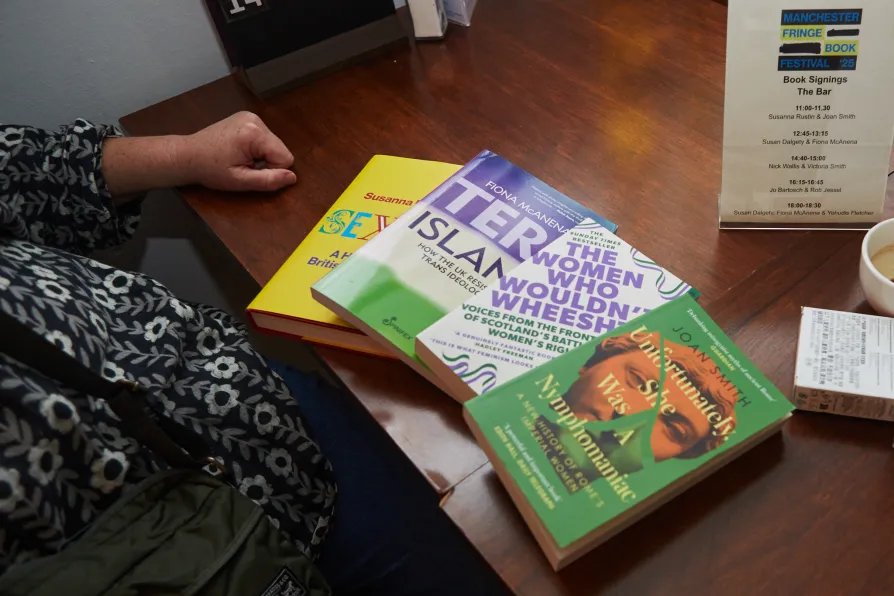
Held at a last-minute undisclosed venue amid fear of disruption, a Women’s Rights Network event brought together authors and activists, offering a day of debate on feminism’s past, present and future. JADE MIDDLETON reports
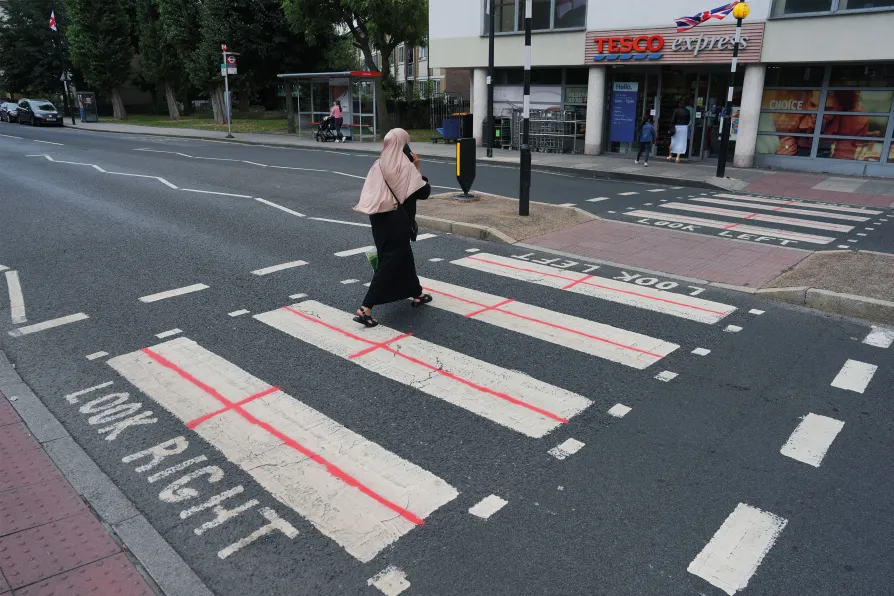
A joint statement from Derby Indian Workers’ Association and Vox Feminarum/Women’s Voices