All the evidence shows voters want Labour to shift to the left — but initial signs from Andy Burnham are worrying on that front, cautions DIANE ABBOTT


 Latest editorial
Women and the miners' strike – a fresh look at our history
Recent research projects seek to re-examine the role of women during the 1984-5 miners’ strike by focusing on fact rather than prevailing formulaic imagery created by the media at the time. LYNNE WALSH reports
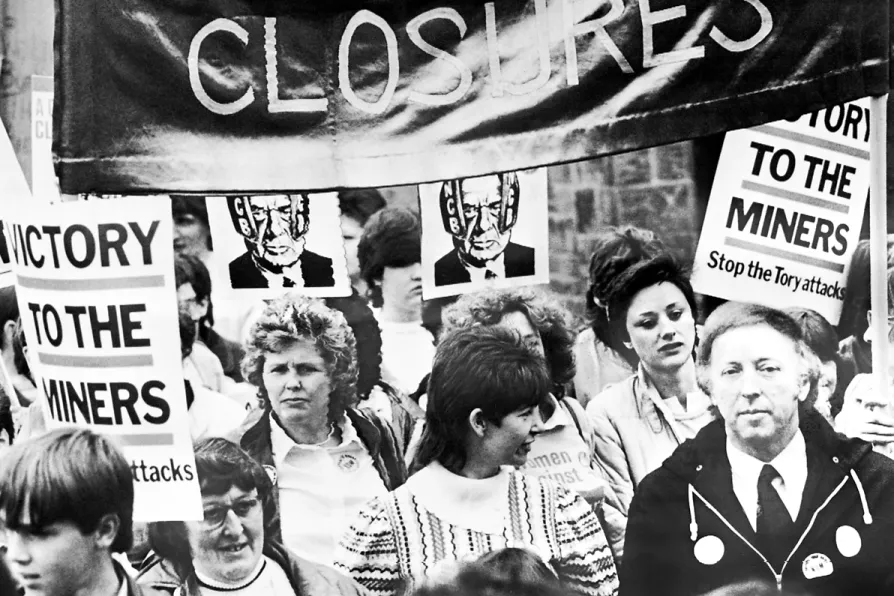 KNOW THY ENEMY: National women’s demonstration against pit closures in Barnsley

ANDY McDONALD MP says Labour must show it is capable of delivering real improvements in people’s lives — bold action is required
ANGUS REID and ANDREW JOHNSTONE report on an initiative that we must take this summer
ALLISON FEWTRELL on what Plaid Cymru's historic election victory means for the communities being failed by Wales’s housing crisis, and four things the new government can do right now
France Insoumise MP JEROME LEGAVRE speaks to Christophe Domec on building the Europe-wide peace movement that came together in the International Conference Against War last weekend
At last weekend’s International Conference Against War, LINDA PENTZ GUNTER talks to the Palestinian physician and politician about the struggles ahead to achieve a truly free Palestine





THERE are couple of lines in Mal Finch’s great song, Women of the Working Class: “In fighting for our future we found ways to organise. Where Women’s Liberation failed to move, this strike has mobilised.”
The strike in question was, of course, the Miners’ Strike of 1984-85. Some of the women in question were groups up and down the country, part of Women Against Pit Closures [WAPC]. The mention of Women’s Lib, though, is a lot trickier to pin down. The movement had already been demonised, not only in the tabloid press, but in working men’s clubs, workplaces and, hush-hush, even trade unions.
Spurious tales of bra-burning were rife, the strike for equal pay at Ford’s Dagenham plant had ruffled feathers, and there was a female prime minister in No 10.

Similar stories
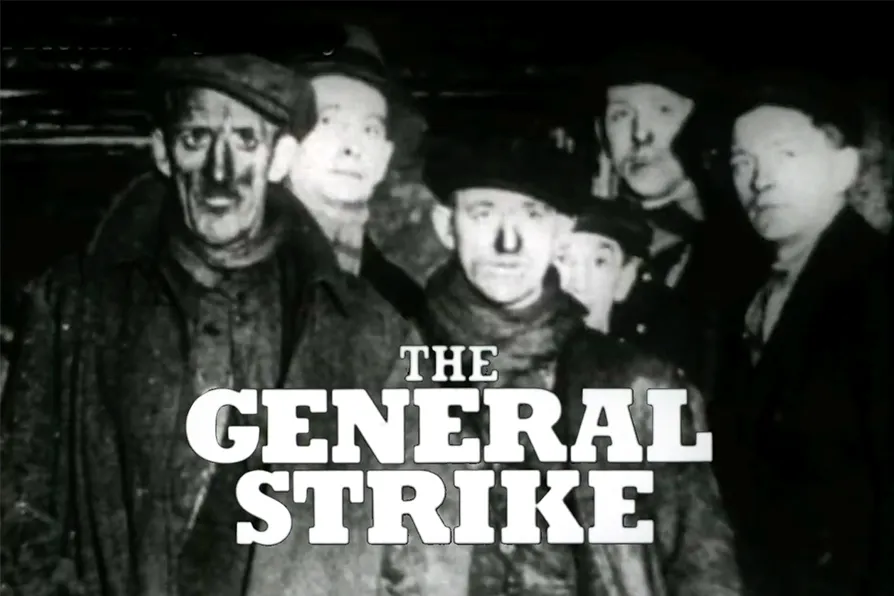
MARY DAVIS welcomes a remarkable documentary about the general strike — politically spot on, and featuring accounts from the strikers themselves — that is available for screenings
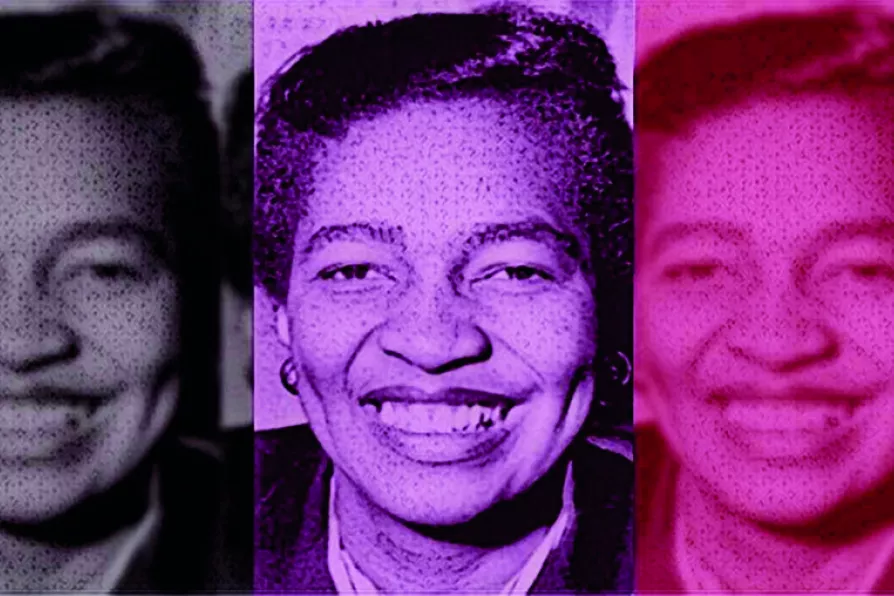
The pioneering activist understood that freedom could only be won through solidarity across communities. Her legacy offers vital lessons at a time when progressive politics risks losing that shared purpose
The Morning Star republishes PRAGNA PATEL’s speech at the annual commemoration of Claudia Jones on February 22 2026
LYNNE WALSH reports from the Women’s Declaration International conference on feminist struggles from Britain to the Far East
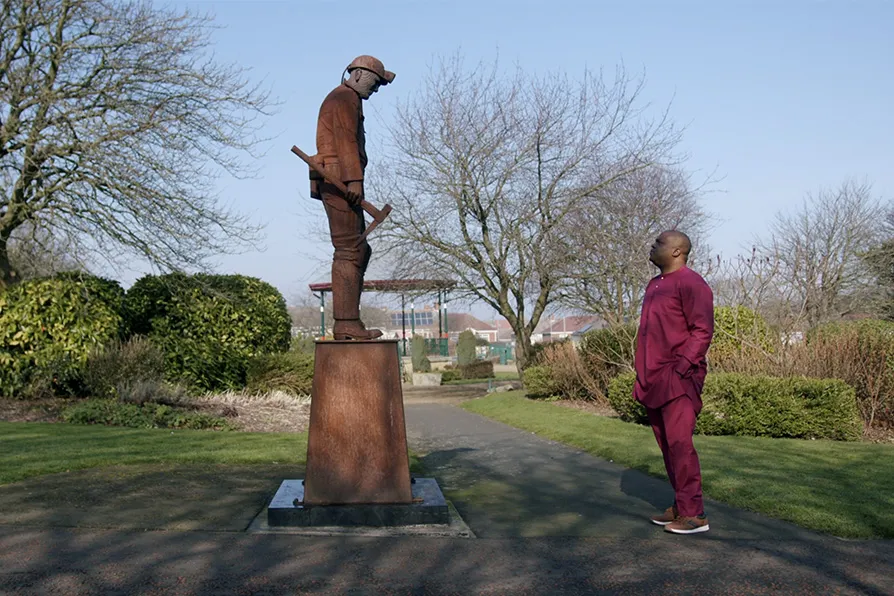
MIKE QUILLE applauds an excellent example of cultural democracy: making artworks which are a relevant, integral part of working-class lives