All the evidence shows voters want Labour to shift to the left — but initial signs from Andy Burnham are worrying on that front, cautions DIANE ABBOTT


 Latest editorial
Let’s be clear about what fascism actually is
Nixon, Reagan, Trump — they were, and are, not fascists: misusing the term will cost the left dearly, writes ZOLTAN ZIGEDY
 The popular obsession with depicting Donald Trump as Adolf Hitler is far from accurate.

ANDY McDONALD MP says Labour must show it is capable of delivering real improvements in people’s lives — bold action is required
ANGUS REID and ANDREW JOHNSTONE report on an initiative that we must take this summer
ALLISON FEWTRELL on what Plaid Cymru's historic election victory means for the communities being failed by Wales’s housing crisis, and four things the new government can do right now
France Insoumise MP JEROME LEGAVRE speaks to Christophe Domec on building the Europe-wide peace movement that came together in the International Conference Against War last weekend
At last weekend’s International Conference Against War, LINDA PENTZ GUNTER talks to the Palestinian physician and politician about the struggles ahead to achieve a truly free Palestine





“FASCIST” and “Fascism” are frequently used words today that are both popular and slippery. The prevalence of the words in common parlance is indisputable, but regrettable for three reasons:
- There is no common, shared, ordinary meaning of “fascism”
- “Fascist” has often become merely an epithet, a term of abuse
- The use of the expressions has disengaged from their specific history and context
Today, commentators, both left and right, excoriate their targets with fascist-themed concatenations: “feminazis,” “islamofascists,” “neo-fascists,” “PC fascists,” etc.
And, of course, the dinner-table discussion of the liberal intelligentsia inevitably arrives at the burning question: “Is Trump a fascist?” If you Googled “Trump, fascism, fascist” on August 25, you would have gotten 9,150,000 results.

Similar stories
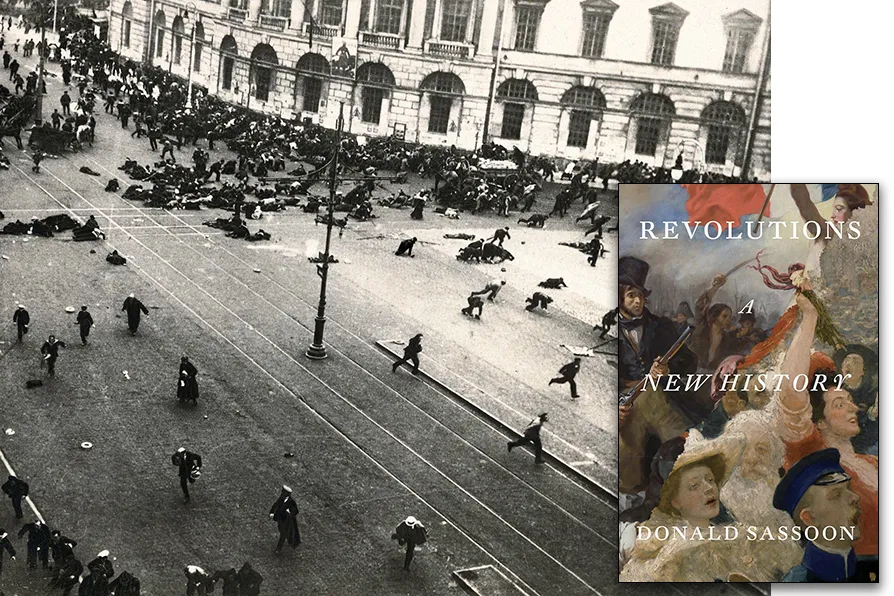
HENRY BELL follows the lineage of revolutions, from the English to the Chinese, and asks where revolutionary politics exists today
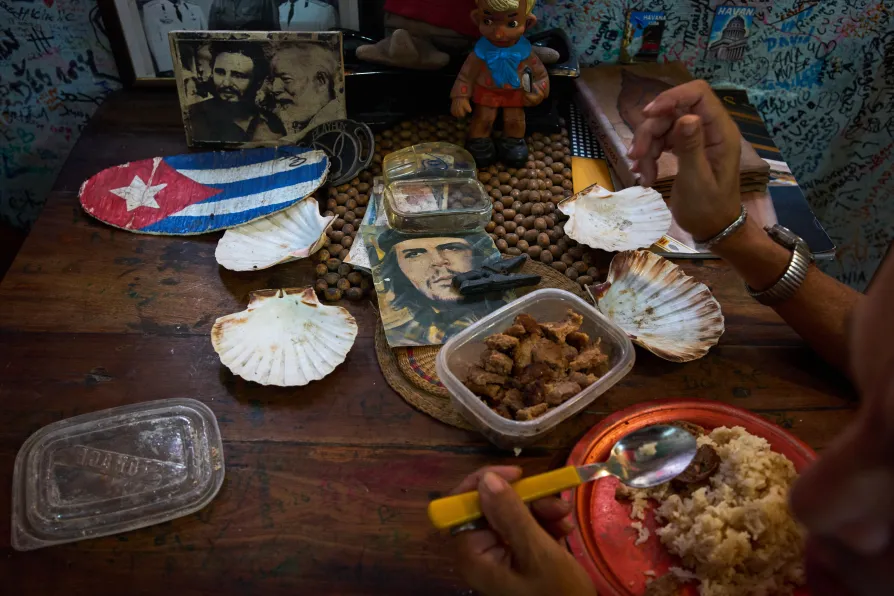
Cuba continues to embody a vision of internationalism that imperialism has never forgiven, argues ZOLTAN ZIGEDY
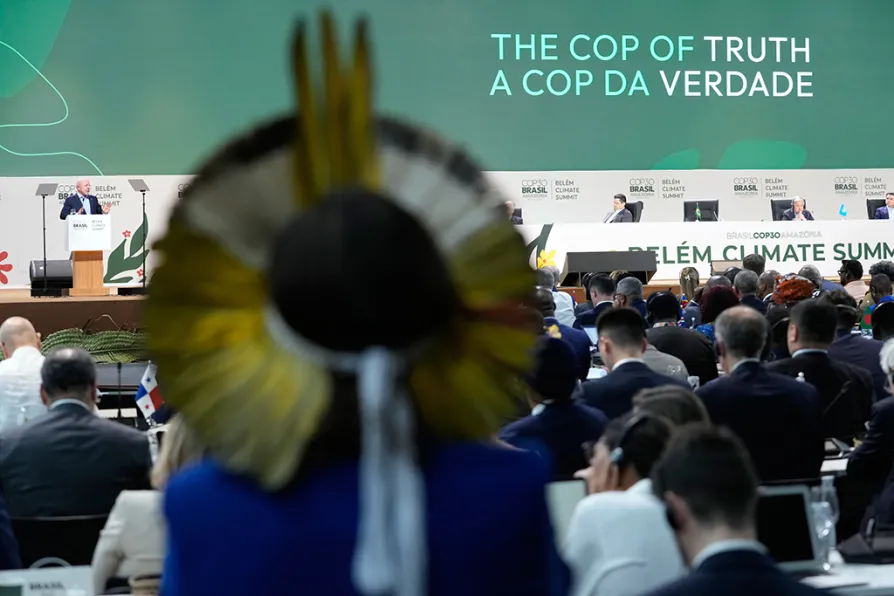
From summit to summit, imperialist companies and governments cut, delay or water down their commitments, warn the Communist Parties of Britain, France, Portugal and Spain and the Workers Party of Belgium in a joint statement on Cop30
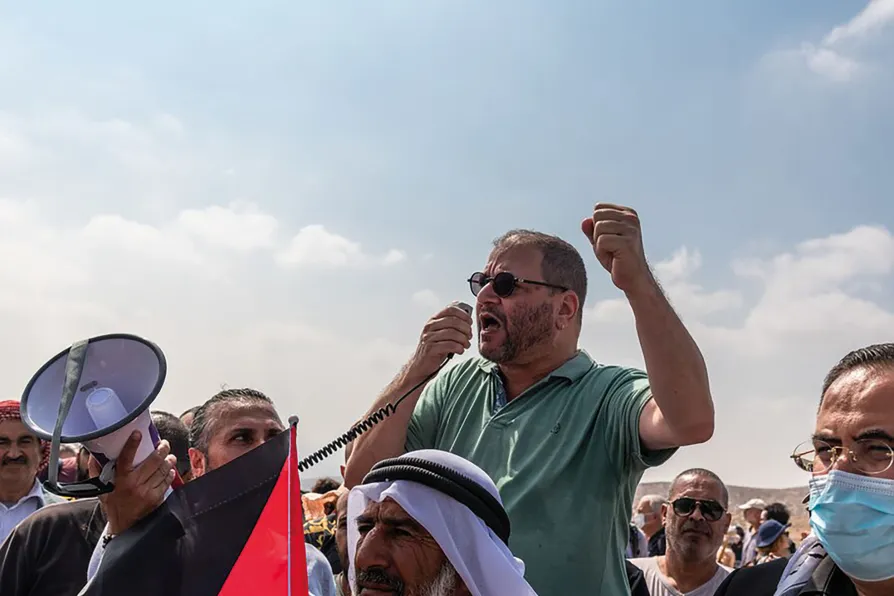
ASSAF TALGAM talks to an Israeli Communist lawmaker about the need to use every tool of democratic and non-violent struggle; how Israeli society has changed since October 7 2023; and the persecution of the left in the parliamentary arena