Newly revealed documents reveal that MI5 taught Brazilian secret police the techniques deployed by the 1964-85 military dictatorship in horrific prisons like Rio de Janeiro’s House of Death. SARA VIVACQUA reports


 Latest editorial

A minimum service agreement – or a ban on strikes?
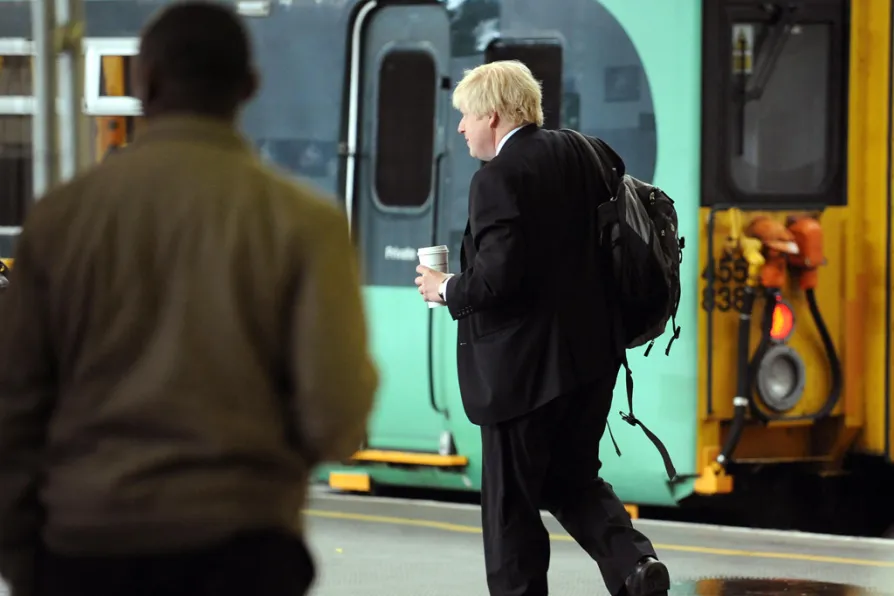 Boris Johnson is threatening to effectively ban strike action on the railways
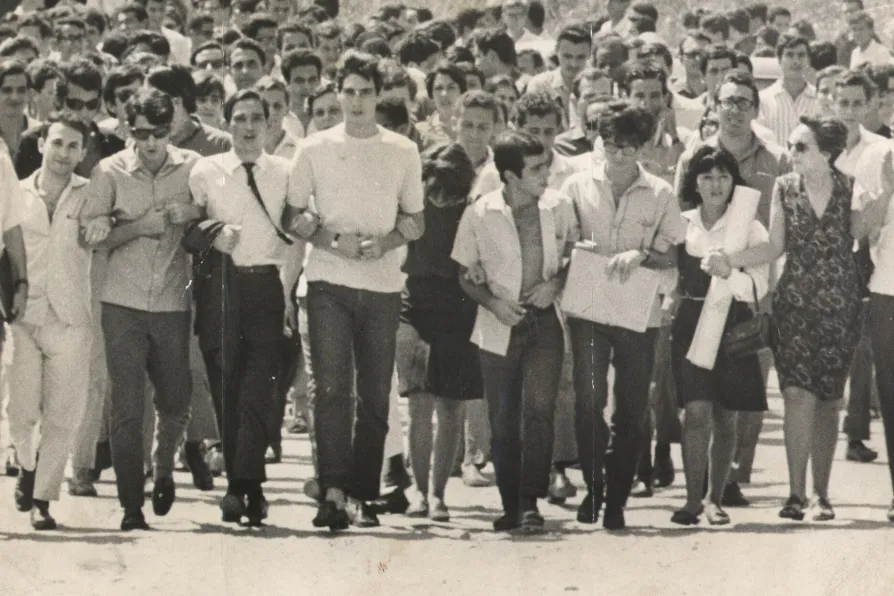
CHRISTOPHE DOMEC speaks to the France Insoumise politician facing constant persecution from French authorities
It can be hard to discern conspiracy theory from reality and under the Trump regime the two might just be the same thing, writes Linda Pentz Gunter
ALAN SIMPSON says responses to the Golders Green attacks risk deepening divides across our country
Capturing the general strikes history is a vital part of our struggles today, posits HENRY FOWLER
On a tumultuous day in Welsh politics DAVID NICHOLSON looks at the key issues for progressives in Wales to grapple with the rise of the far right




TRADE unionists now have a real choice: more attacks on the right to strike from the Tories. Or the most progressive programme of rights from a Labour government committed to higher wages and better conditions, the reintroduction of industry-wide collective bargaining and the restoration of trade union freedoms.
Having tried and failed to ban rail strikes in the Trade Union Act 2016 by inflated participation thresholds of 40 per cent, the Tories are now proposing to tighten the screws still further, with a manifesto commitment to require that “a minimum service operates during transport strikes.”
It is not clear whether this is intended to apply to all transport strikes, or to rail strikes only, the passage in the manifesto acknowledging that while “rail workers deserve a fair deal,” “it is not fair to let the trade unions undermine the livelihoods of others.” No mention of course of the unfairness of employers imposing driver-only trains.
Similar stories
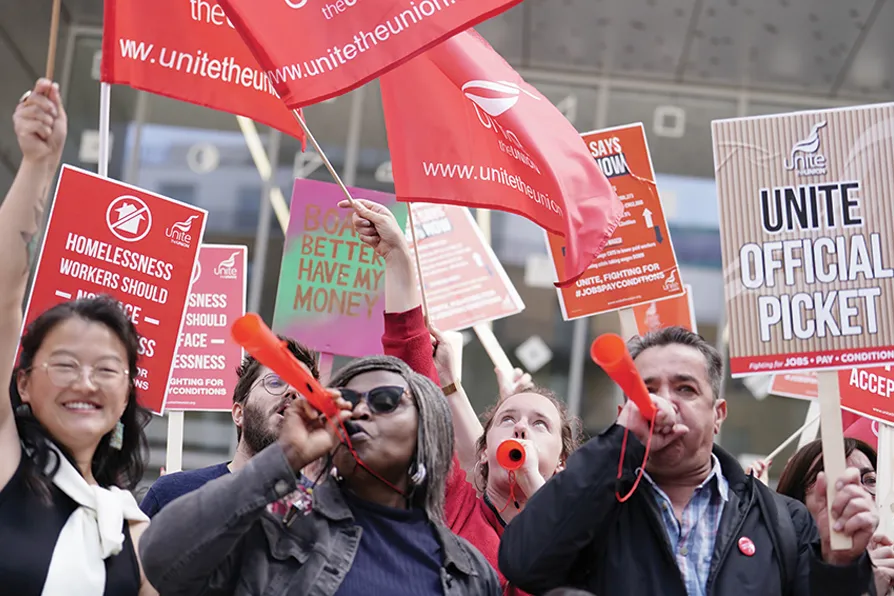
The unions are unhappy with the Employment Rights Act 2025 and with good reason. KEITH EWING and Lord JOHN HENDY KC take a close look at why the Bill promised more than it delivered
![[Pic: Andrew Wiard]](https://dev.morningstaronline.co.uk/sites/default/files/styles/desktop/public/2026-01/19860406_a_wiard_0001.jpg.webp?itok=d2RMNwWw)
LAURA DAVISON traces how Murdoch’s mass sackings, political deals and legal loopholes shattered collective bargaining 40 years ago – and how persistent NUJ organising, landmark court victories and new employment rights legislation are finally challenging that legacy
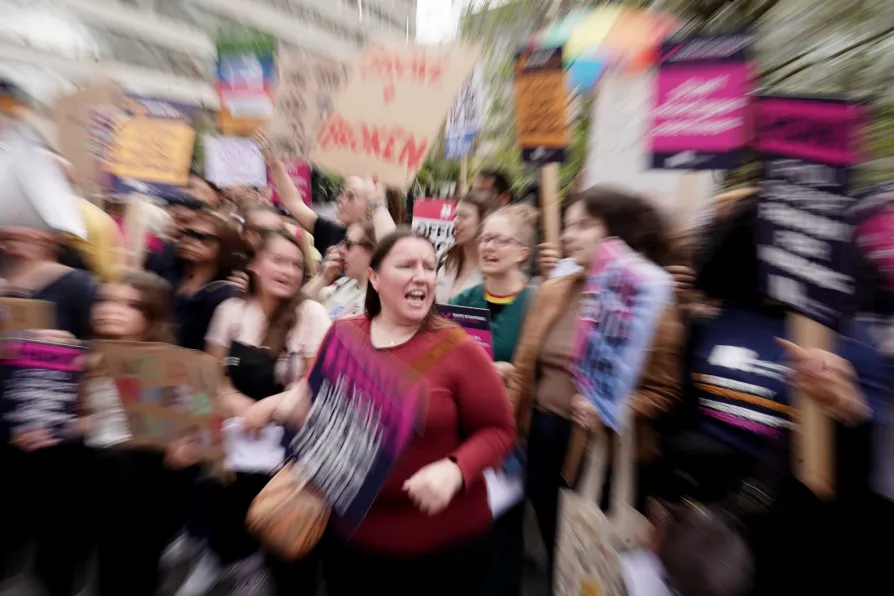
The Bill addresses some exploitation but leaves trade unions heavily regulated, most workers without collective bargaining coverage, and fails to tackle the balance of power that enables constant mutation of bad practice, write KEITH EWING and LORD JOHN HENDY KC
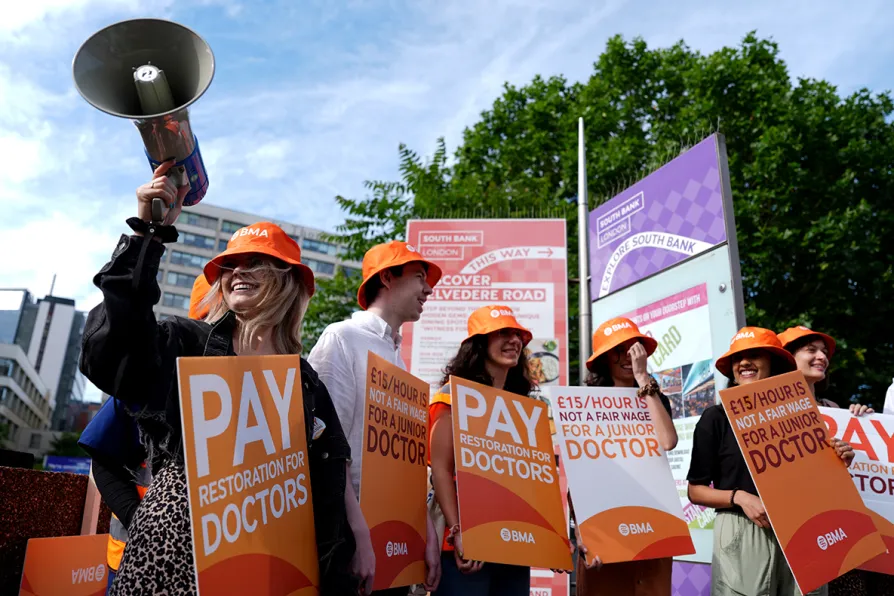
It is only trade union power at work that will materially improve the lot of working people as a class but without sector-wide collective bargaining and a right to take sympathetic strike action, we are hamstrung in the fight to tilt back the balance of power, argues ADRIAN WEIR