All the evidence shows voters want Labour to shift to the left — but initial signs from Andy Burnham are worrying on that front, cautions DIANE ABBOTT


 Latest editorial
Labour’s Green New Deal is the correct response to the climate crisis
 Protesters demanding action on climate change in Leeds

ANDY McDONALD MP says Labour must show it is capable of delivering real improvements in people’s lives — bold action is required
ANGUS REID and ANDREW JOHNSTONE report on an initiative that we must take this summer
ALLISON FEWTRELL on what Plaid Cymru's historic election victory means for the communities being failed by Wales’s housing crisis, and four things the new government can do right now
France Insoumise MP JEROME LEGAVRE speaks to Christophe Domec on building the Europe-wide peace movement that came together in the International Conference Against War last weekend
At last weekend’s International Conference Against War, LINDA PENTZ GUNTER talks to the Palestinian physician and politician about the struggles ahead to achieve a truly free Palestine





CLIMATE change is the most important political issue of our generation. There’s 99 per cent scientific consensus that humans are causing global warming and that, unless we stop putting greenhouse gases in the atmosphere, life on Earth will become increasingly unviable.
If we continue at the current trajectory in terms of greenhouse gas emissions, we’re facing over 4°C of warming by the year 2100.
David Wallace-Wells writes in his book The Uninhabitable Earth: A Story of the Future that, “according to some estimates, that would mean that whole regions of Africa and Australia and the United States, parts of South America north of Patagonia, and Asia south of Siberia would be rendered uninhabitable by direct heat, desertification, and flooding.”

Similar stories

Established as a landmark victory for the climate movement, the CCC promised to hold governments to account. Today, it is understating the danger of climate chaos and impeding the radical action needed, says IAN SINCLAIR
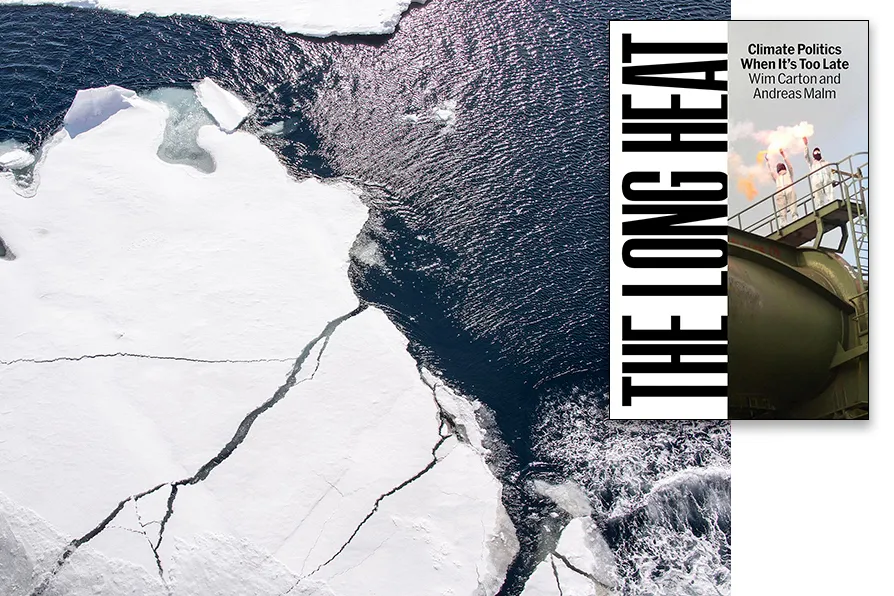
IAN SINCLAIR recommends an important and timely book for climate politics right now and in the future
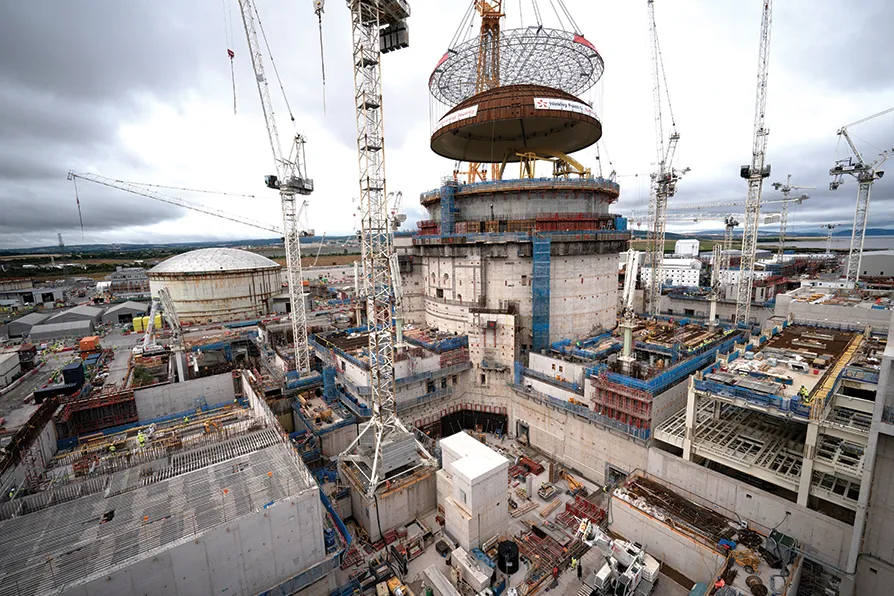
The Communist Party of Britain’s Congress last month debated a resolution on ending opposition to all nuclear power in light of technological advances and the climate crisis. RICHARD HEBBERT explains why
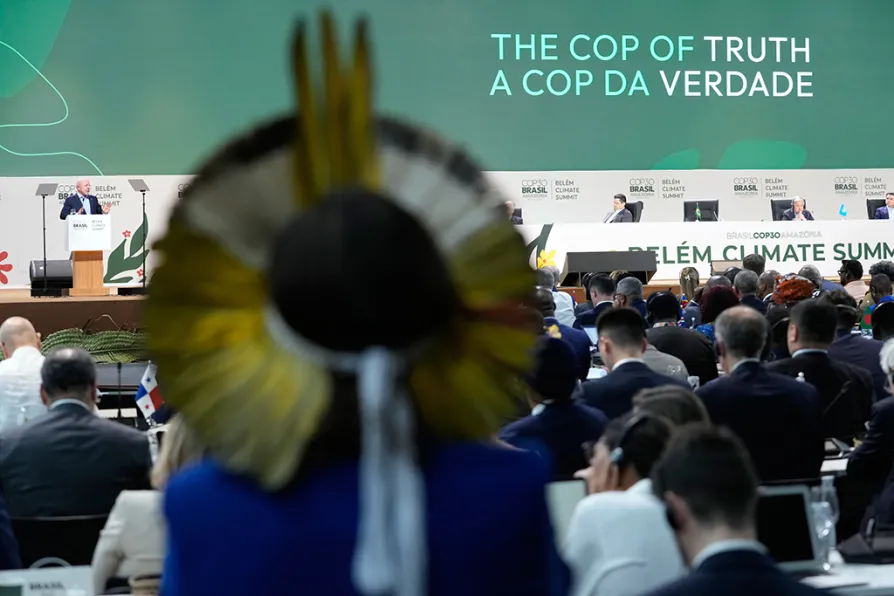
From summit to summit, imperialist companies and governments cut, delay or water down their commitments, warn the Communist Parties of Britain, France, Portugal and Spain and the Workers Party of Belgium in a joint statement on Cop30