All the evidence shows voters want Labour to shift to the left — but initial signs from Andy Burnham are worrying on that front, cautions DIANE ABBOTT


 Latest editorial
Scientists beware!
The government's pledge to increase funding for scientific research comes with strings attached, warn ROX MIDDLETON, LIAM SHAW and JOEL HELLEWELL


ANDY McDONALD MP says Labour must show it is capable of delivering real improvements in people’s lives — bold action is required
ANGUS REID and ANDREW JOHNSTONE report on an initiative that we must take this summer
ALLISON FEWTRELL on what Plaid Cymru's historic election victory means for the communities being failed by Wales’s housing crisis, and four things the new government can do right now
France Insoumise MP JEROME LEGAVRE speaks to Christophe Domec on building the Europe-wide peace movement that came together in the International Conference Against War last weekend
At last weekend’s International Conference Against War, LINDA PENTZ GUNTER talks to the Palestinian physician and politician about the struggles ahead to achieve a truly free Palestine





SCIENCE does not intrinsically promote technological advancement. It concerns the study and understanding of the natural world and its constituent parts.
However, when combined with technological enthusiasm, the synthesis is responsible for radically changing society. We live in an age of scientific funding that began at the start of the 20th century.
To understand this age, we can look to the end of the industrial revolution which produced the work of Karl Marx. As discussed in an excellent answer by the Marx Memorial Library in April, Marxism’s inception as a “scientific socialism” was meant to indicate a foundation on the objective material world beyond the utopian imaginings of other socialists.

Similar stories

The selection, analysis and interpretation of historical ‘facts’ always takes place within a paradigm, a model of how the world works. That’s why history is always a battleground, declares the Marx Memorial Library
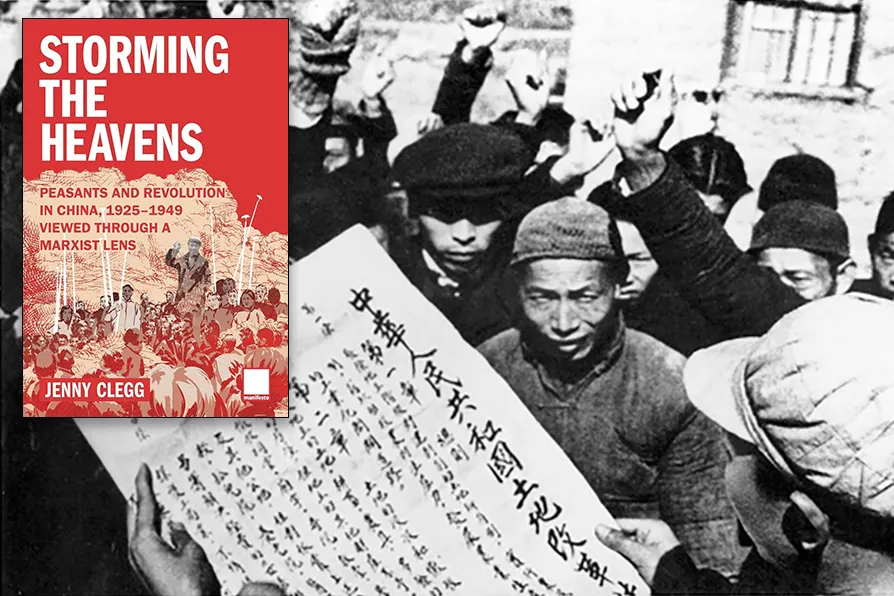
BEN CHACKO welcomes a masterful analysis that puts class struggle back at the heart of our understanding of China’s revolution

From hunting rare pamphlets at book sales to online panels and courses on trade unionism and class politics, the MML continues connecting archive treasures with the movements fighting for a better world, writes director MEIRIAN JUMP

DAVID MATTHEWS looks at what a collective future for welfare might have in store for us