Scottish Labour's leaders cannot keep blaming Westminster for the collapse at the ballot box, says VINCE MILLS


 Latest editorial

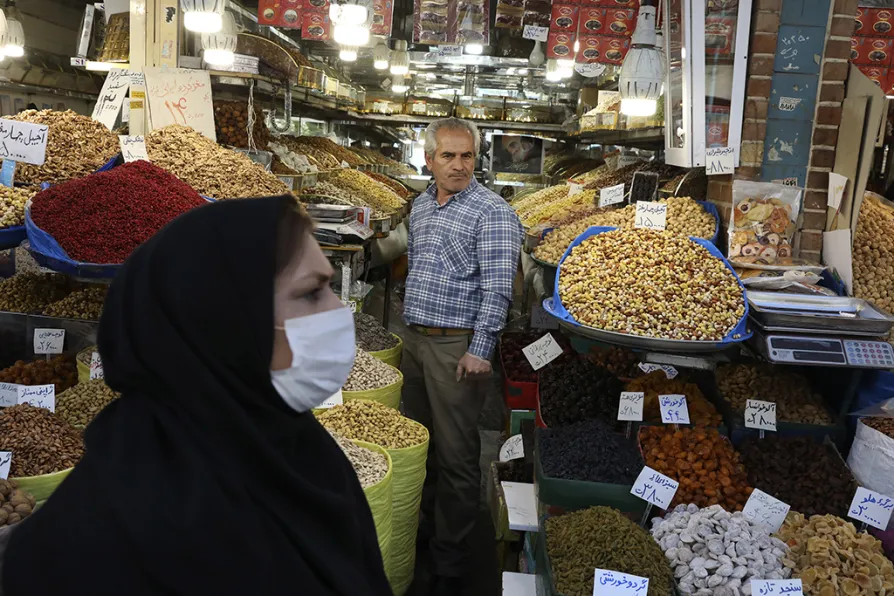
US sanctions, Iran and coronavirus
Only an empire as egregious as the US would exacerbate its regime of sanctions against a country in the grip of a deadly pandemic — even mainstream opionion is beginning to raise the alarm, writes IAN SINCLAIR
Over 30 years since apartheid was abolished, nasty anti-migrant rhetoric sweeps the corporate media. The Commnunist Party is ready to fight back, says ROGER McKENZIE
Over 100,000 people are expected on Brussels’s streets today. Ben Chacko speaks to Belgian Workers Party’s PETER MERTENS on wage and pensions attacks that have united the fightback
FRED BAYER says the cuts to the congress cycle could be disastrous for the Scottish trade union movement
Berlin’s Soviet war memorials are becoming the latest front in a political struggle to ‘de-Sovietise’ German history. NICO POPP reports
Western Marxism is a particular version of Marxist theory developed in – and acceptable to – the capitalist nations of Europe and North America and largely divorced from political action, argues the MARX MEMORIAL LIBRARY




AS Morning Star readers know, the BBC largely reflects the interests and opinions of the British establishment. Nevertheless, occasionally discerning consumers can find important, critical information on one of the corporation’s many platforms.
For example, at the end of February BBC Radio 4’s World Tonight programme broadcast a brief interview about the Britain’s response to coronavirus with Dr Bharat Pankhania, a senior clinical lecturer at the College of Medicine and Health, University of Exeter.
Though he wasn’t asked about Iran, Pankhania, who has over 20 years’ experience working as a consultant in communicable diseases, snuck in an inconvenient truth: “What happens in other countries can come to bite us too,” he said. “I am very concerned about Iran and the health sanctions by the US against Iran. Because when you have uncontrolled transmission of infection in Iran it will affect the Middle East and it will affect us too.”
Similar stories
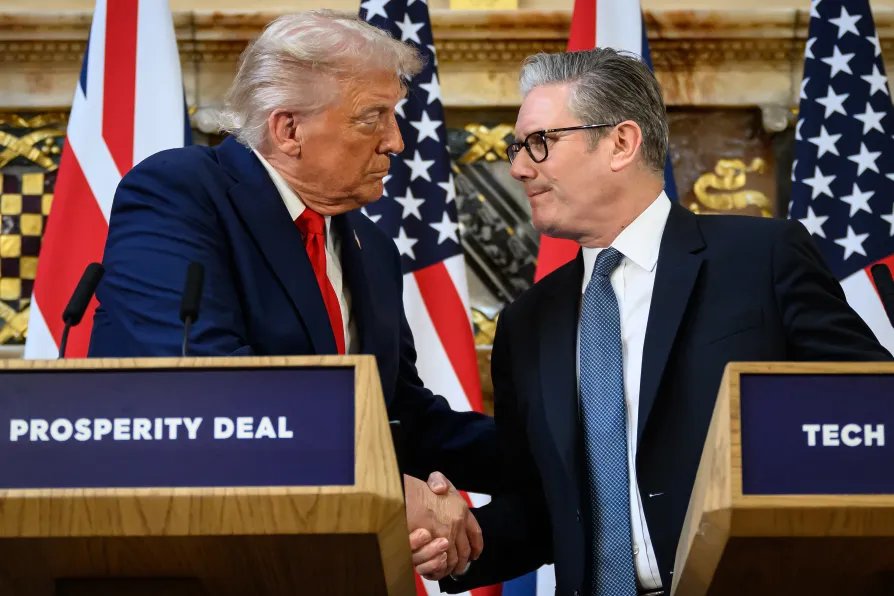
The media present Starmer as staying out of Trump’s war — but we’re already deeply involved in a conflict that sees the US and Israel kill civilians on a huge scale, argues IAN SINCLAIR
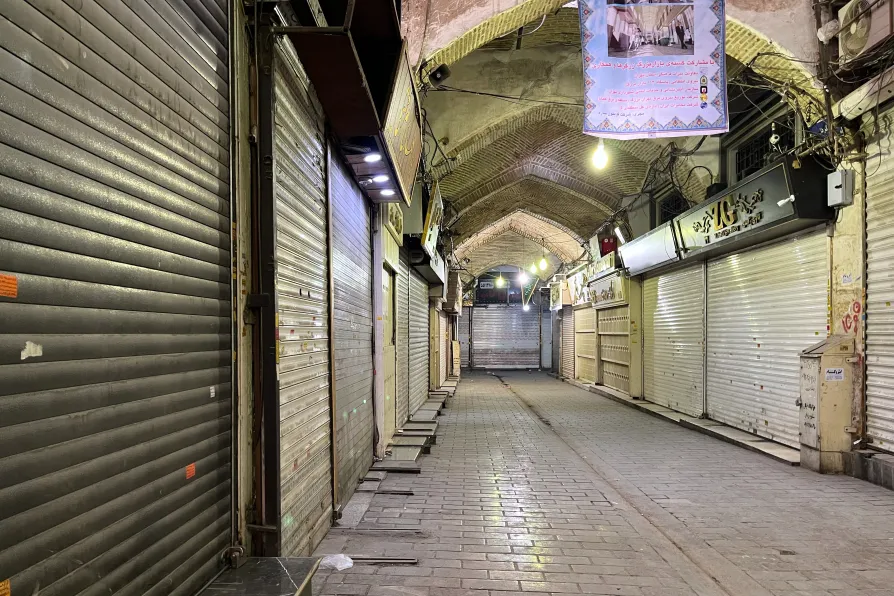
Trump threatens war and punitive tariffs to recapture Iranian resources – just as in 1953, when the CIA overthrew Mossadegh and US corporations immediately seized 40% of the oil, says SEVIM DAGDELEN
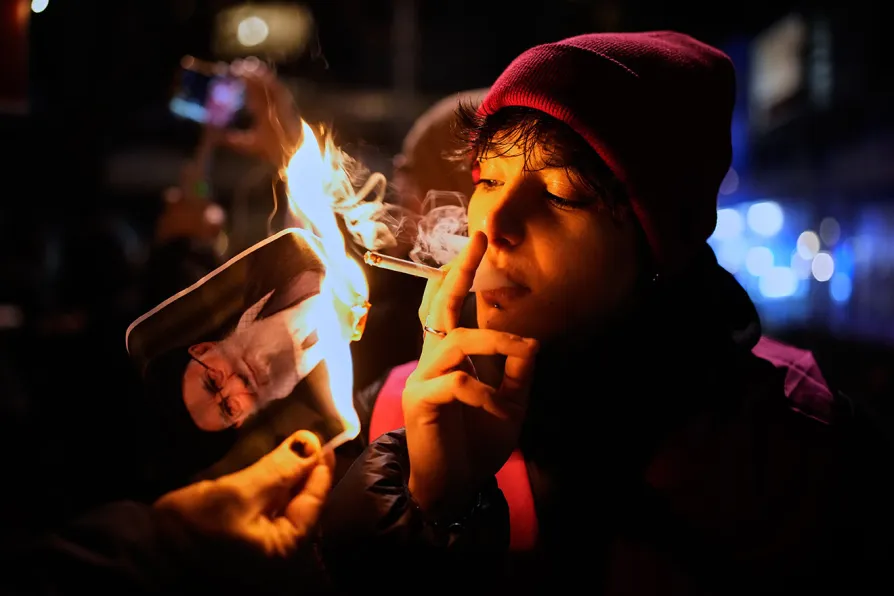
MOHAMMAD OMIDVAR, a senior figure in the Tudeh Party of Iran, tells the Morning Star that mass protests are rooted in poverty, corruption and neoliberal rule and warns against monarchist revival and US-engineered regime change
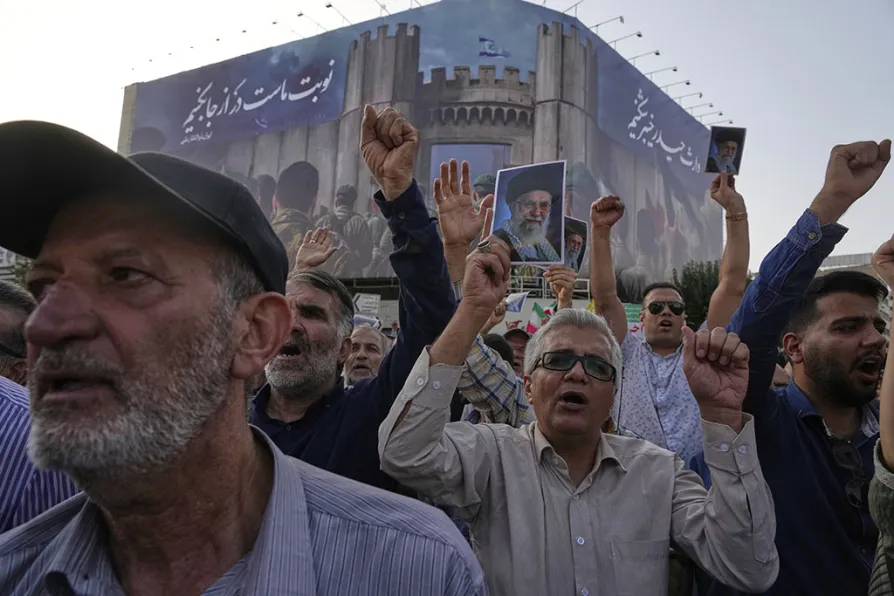
In the second of two articles, STEVE BISHOP looks at how the 1979 revolution’s aims are obfuscated to create a picture where the monarchists are the opposition to the theocracy, not the burgeoning workers’ and women’s movement on the streets of Iran