All the evidence shows voters want Labour to shift to the left — but initial signs from Andy Burnham are worrying on that front, cautions DIANE ABBOTT


 Latest editorial
Unnatural farm conditions risk the creation of new ‘superbugs’
CHRIS WILLIAMSON encourages us all to go vegan for the sake of our health and that of the planet



ANDY McDONALD MP says Labour must show it is capable of delivering real improvements in people’s lives — bold action is required
ANGUS REID and ANDREW JOHNSTONE report on an initiative that we must take this summer
ALLISON FEWTRELL on what Plaid Cymru's historic election victory means for the communities being failed by Wales’s housing crisis, and four things the new government can do right now
France Insoumise MP JEROME LEGAVRE speaks to Christophe Domec on building the Europe-wide peace movement that came together in the International Conference Against War last weekend
At last weekend’s International Conference Against War, LINDA PENTZ GUNTER talks to the Palestinian physician and politician about the struggles ahead to achieve a truly free Palestine





THE UK branch of People for the Ethical Treatment of Animals (Peta UK) reported that scientists believe contact with live animals or the flesh of slaughtered animals may be the source of the Covid-19 pandemic.
The virus is similar to other coronaviruses, like severe acute respiratory syndrome (Sars) and Middle East respiratory syndrome (Mers) and all three are spread from animals to humans.
These coronaviruses are believed to be “zoonotic diseases,” meaning they jump from animals to humans.

Similar stories

The US blockade of Cuba raises risks of a new global pandemic, experts warn at Unison conference

One of the major criticisms of China’s breakneck development in recent decades has been the impact on nature — returning after 15 years away, BEN CHACKO assessed whether the government’s recent turn to environmentalism has yielded results
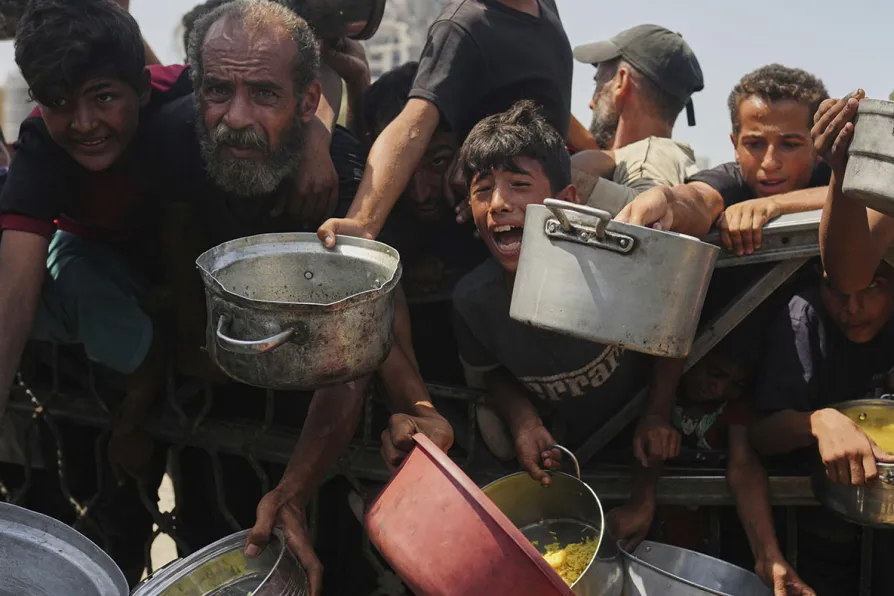
For those in the West, hunger is often just the familiar feeling of a growling stomach between meals — in Gaza, it has become a strategic weapon of slow, systematic and deadly destruction, writes MARC VANDEPITTE