All the evidence shows voters want Labour to shift to the left — but initial signs from Andy Burnham are worrying on that front, cautions DIANE ABBOTT


 Latest editorial
Johnson discovers ‘people we didn’t know exist’
The Prime Minister follows in the footsteps of George W Bush in the wake of Hurricane Katrina, writes KEITH FLETT
ANDY McDONALD MP says Labour must show it is capable of delivering real improvements in people’s lives — bold action is required
ANGUS REID and ANDREW JOHNSTONE report on an initiative that we must take this summer
ALLISON FEWTRELL on what Plaid Cymru's historic election victory means for the communities being failed by Wales’s housing crisis, and four things the new government can do right now
France Insoumise MP JEROME LEGAVRE speaks to Christophe Domec on building the Europe-wide peace movement that came together in the International Conference Against War last weekend
At last weekend’s International Conference Against War, LINDA PENTZ GUNTER talks to the Palestinian physician and politician about the struggles ahead to achieve a truly free Palestine





WHEN Henry Mayhew started the series of social investigations into the London working class in 1849 that was to become London Labour and the London Poor, he laid out a prospectus in the Morning Chronicle.
He wrote of investigating the “large and comparatively unknown body of people” that comprised the labouring poor who lived in slum housing, often in insanitary conditions with, at best, uncertain employment. He set a pattern that has emerged at times of crisis since.
When Hurricane Katrina hit New Orleans in 2005, revealing a US government and president in George W Bush who was not only unprepared to deal with it but had reduced funding previously for measures that might have helped, the Federal Emergency Management Agency’s Michael Brown said: “We’re seeing people that we didn’t know exist.”

Similar stories

With more people dying each year and many spending their final days in institutions, researchers argue that wider access to palliative care could offer a more humane and cost-effective alternative, write ROX MIDDLETON, LIAM SHAW and MIRIAM GAUNTLETT
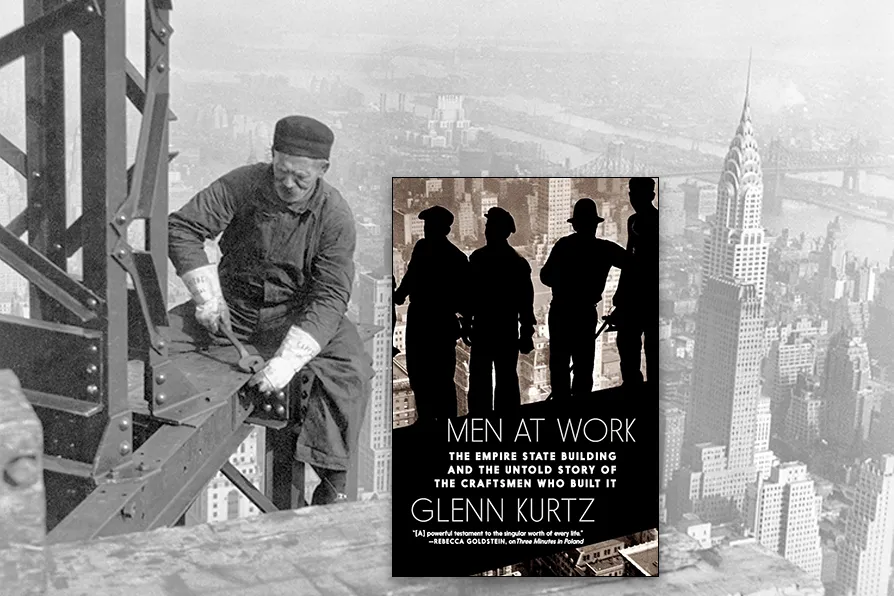
SUE TURNER is fascinated by a book that researches who the largely immigrant workforce were that built the Empire State
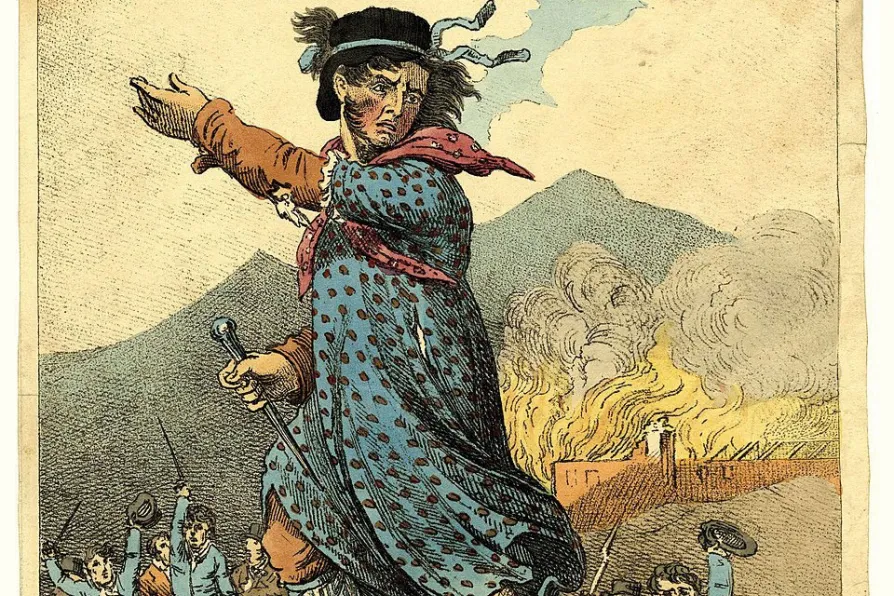
Inspired by a hit TV show, KEITH FLETT takes a look at the murky history of undercover class war
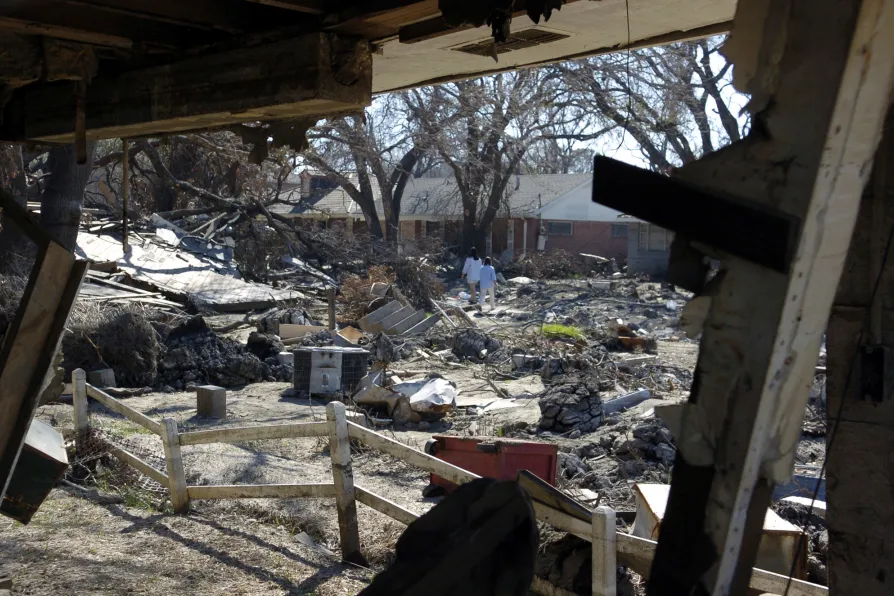
While ordinary Americans were suffering in the wake of 2005’s deadly hurricane, the Bush administration was more concerned with maintaining its anti-Cuba stance than with saving lives, writes MANOLO DE LOS SANTOS