All the evidence shows voters want Labour to shift to the left — but initial signs from Andy Burnham are worrying on that front, cautions DIANE ABBOTT


 Latest editorial
Prison staff stand together for safety
Unions are laying down their red lines for relaxing Covid-19 restrictions, reports Charley Allan

ANDY McDONALD MP says Labour must show it is capable of delivering real improvements in people’s lives — bold action is required
ANGUS REID and ANDREW JOHNSTONE report on an initiative that we must take this summer
ALLISON FEWTRELL on what Plaid Cymru's historic election victory means for the communities being failed by Wales’s housing crisis, and four things the new government can do right now
France Insoumise MP JEROME LEGAVRE speaks to Christophe Domec on building the Europe-wide peace movement that came together in the International Conference Against War last weekend
At last weekend’s International Conference Against War, LINDA PENTZ GUNTER talks to the Palestinian physician and politician about the struggles ahead to achieve a truly free Palestine





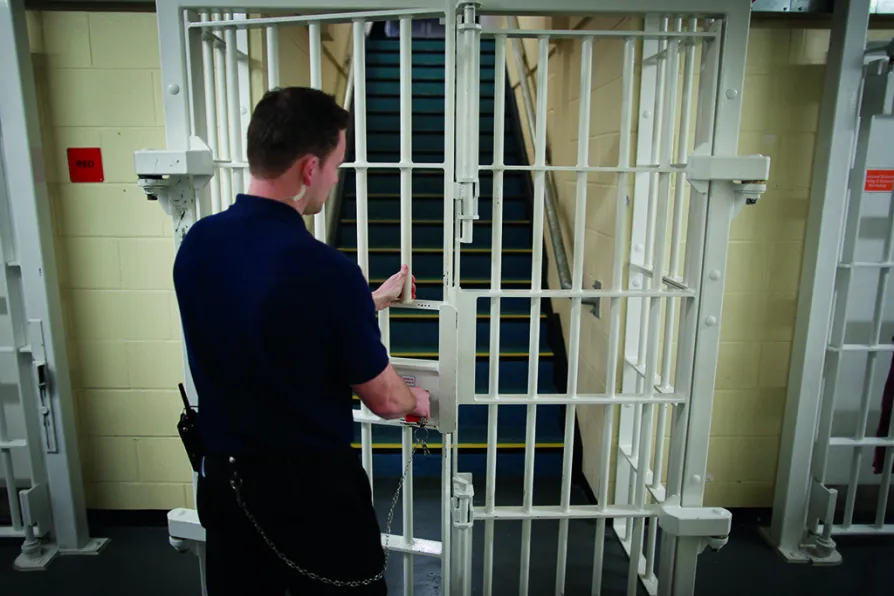
PRISONS have always been dangerous places to work, and the past decade of austerity cuts to staffing and resources have made them even less safe, with recorded assaults on staff more than tripling to over 10,000 a year.
But the coronavirus crisis has brought a new deadly risk to workers — not just prison officers but educators, healthcare staff, cleaners, caterers, administrators, probation officers and more, many of whom are classed as vulnerable to infection.
Richard Coker, professor of public health at the London School of Hygiene & Tropical Medicine, recently described prisons as “epidemiological pumps” and warned: “The risk of exposure of Covid-19 to prisoners and staff when new cases enter a prison is far, far greater than the risk to individuals in the wider community.”

Similar stories
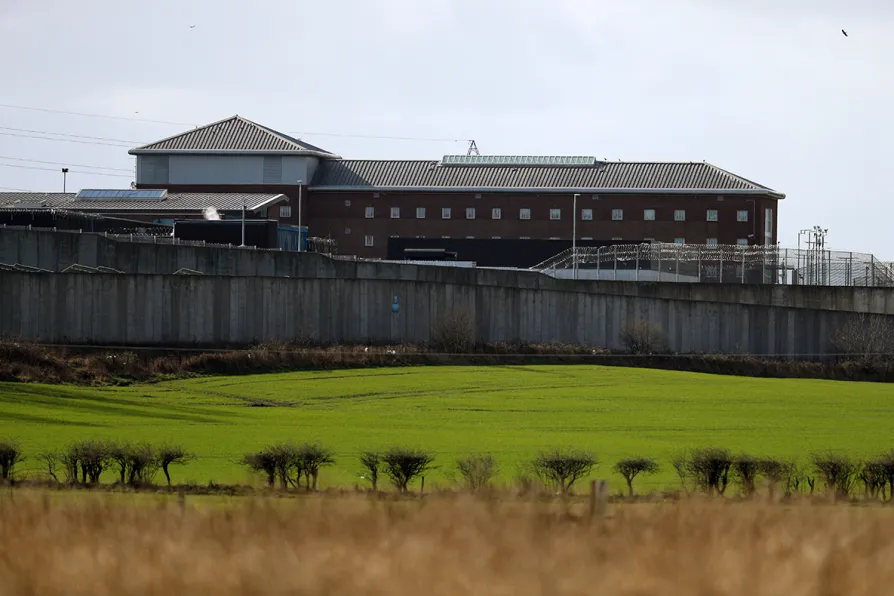
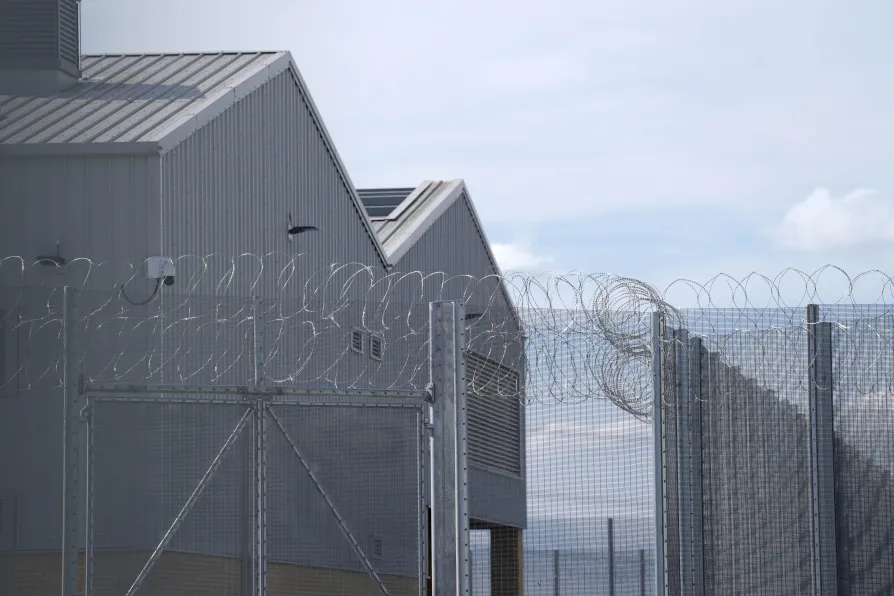
Our members face serious violence, crumbling workplaces and exposure to dangerous drugs — it is outrageous we still cannot legally use our industrial muscle to fight back and defend ourselves, writes STEVE GILLAN
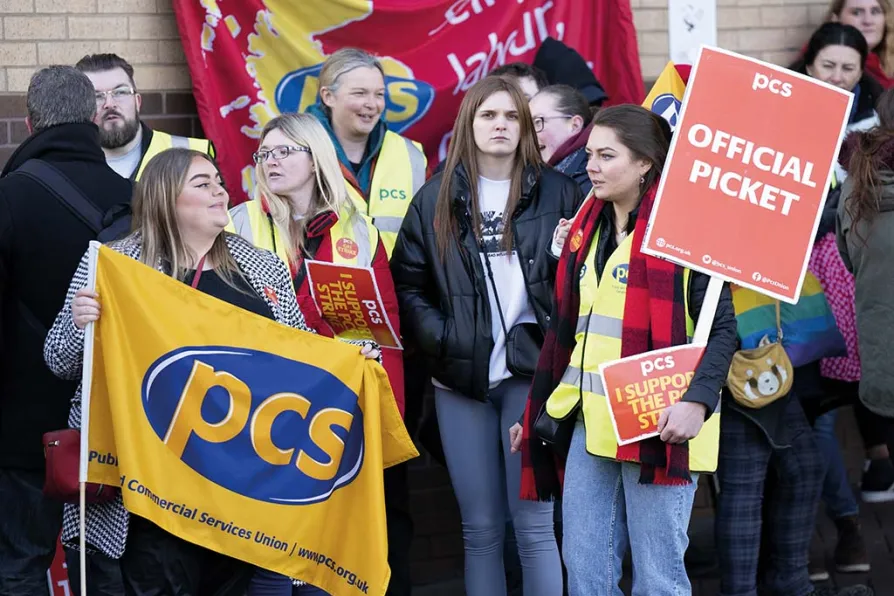
PCS members face dangerous working conditions in crumbling buildings while the Common Platform IT system obstructs rather than streamlines operations — and Labour’s promised wave of insourcing has not materialised, writes SHARON McLEAN