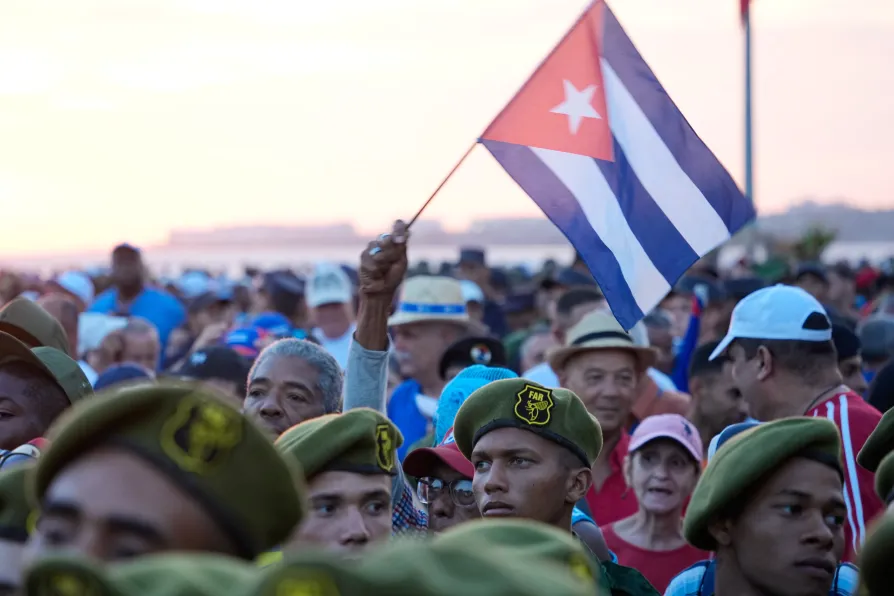
ROGER D HARRIS and SARA FLOUNDERS challenge propaganda against the blockaded socialist island


 Latest editorial

Can charity change the world?

Marx and Engels incorporated in their writings a critique of the way that capitalism destroys the environment but it is only in the last half century that environmental concerns have become an integral part of the fight for socialism, writes the Marx Memorial Library and Workers’ School
The racist Republican tactic of redistricting to keep Trump and his base in power is turning the clock back to the 1950s, writes LINDA PENTZ GUNTER
With a political crisis engulfing the Labour Party, the case for PR is back on the agenda. TONY BURKE argues trade unions must now engage on changes to our voting system
YVETTE WILLIAMS and JOE DELANEY dissect the institutional dawdling that rubbed salt into the Grenfell open wounds prolonging the agony of survivors
The HS2 debacle exposes what happens when public infrastructure is handed to private contractors – especially when set against China’s state-led high-speed rail success, says CARLOS MARTINEZ





IN Marx’s day, solidarity, humanity, sharing amongst working people were not considered “charity.” Charity was something that those with money did. It relieved the conscience of the rich (and made them look good to their peers) and provided benefits to some. The name of Scottish-American steel magnate Andrew Carnegie can still be found on libraries and museums throughout Britain.
It’s hard not to cheer for 99-year-old Captain Tom Moore, who raised £33million for the NHS by walking 100 laps of his garden. The money raised will help to save lives, not least those of NHS workers who like other key staff, are on the front line of the crisis.
But, as ever, there is another side to charity. Until recently Tom’s chosen fundraising platform, JustGiving, skimmed 5 per cent of all donations. That would have meant a bonanza to the company of over £1.5m for Tom’s efforts. That’s now been replaced by a standard fee of 1.9 per cent plus 20p — still over £300,000.

Similar stories
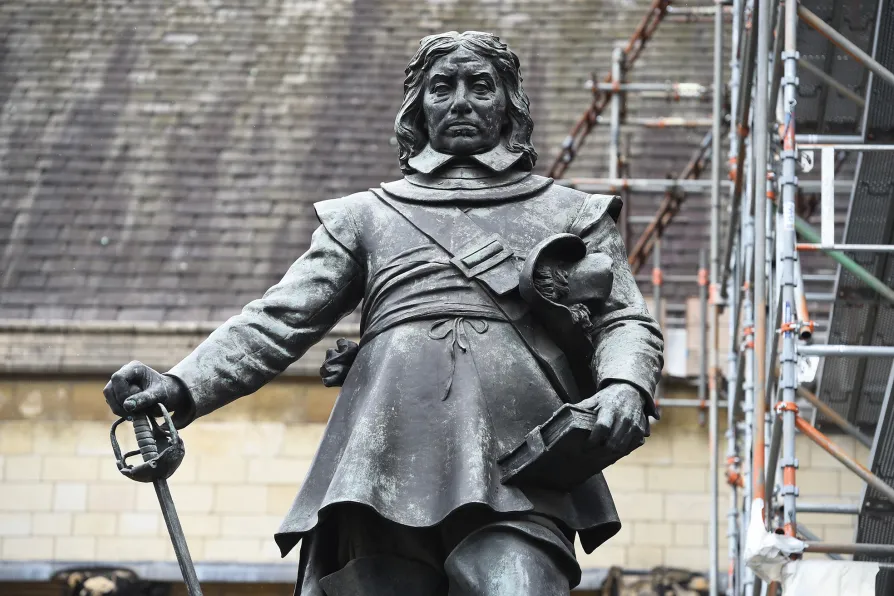
The selection, analysis and interpretation of historical ‘facts’ always takes place within a paradigm, a model of how the world works. That’s why history is always a battleground, declares the Marx Memorial Library

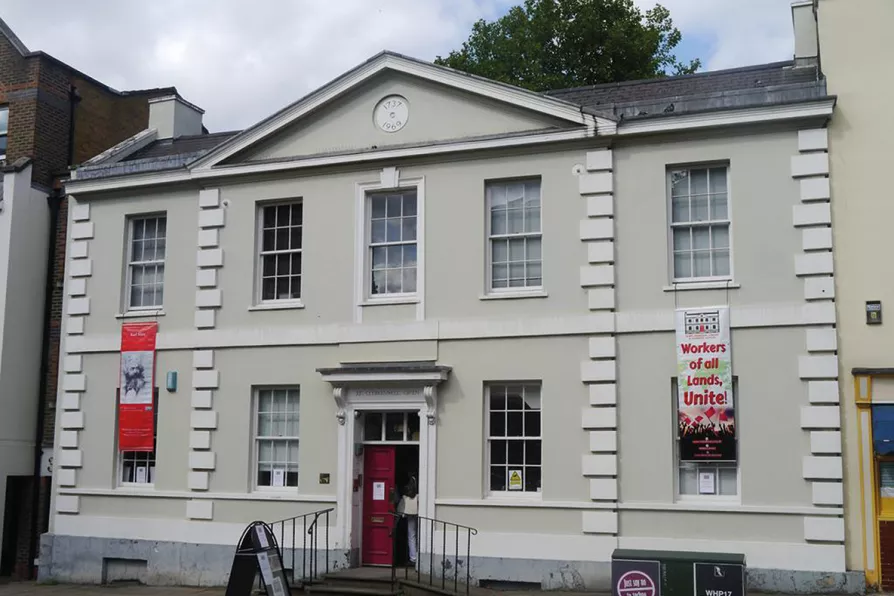
From hunting rare pamphlets at book sales to online panels and courses on trade unionism and class politics, the MML continues connecting archive treasures with the movements fighting for a better world, writes director MEIRIAN JUMP