All the evidence shows voters want Labour to shift to the left — but initial signs from Andy Burnham are worrying on that front, cautions DIANE ABBOTT


 Latest editorial
The Bite of the Bumblebee
SCIENCE AND SOCIETY explains why hungry bumblebees cause plants to flower when spring comes early
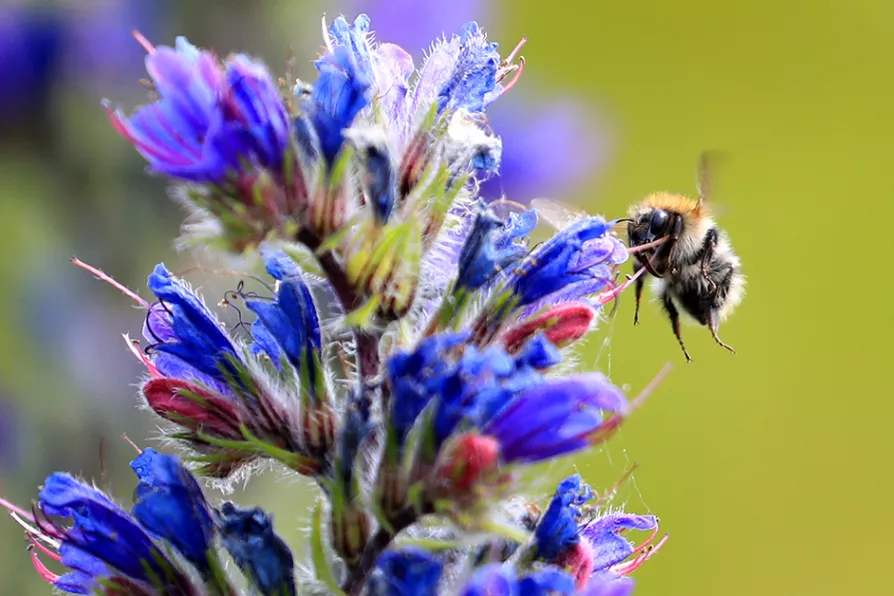 A Bumblebee searches for pollen amongst flowers in Kent

ANDY McDONALD MP says Labour must show it is capable of delivering real improvements in people’s lives — bold action is required
ANGUS REID and ANDREW JOHNSTONE report on an initiative that we must take this summer
ALLISON FEWTRELL on what Plaid Cymru's historic election victory means for the communities being failed by Wales’s housing crisis, and four things the new government can do right now
France Insoumise MP JEROME LEGAVRE speaks to Christophe Domec on building the Europe-wide peace movement that came together in the International Conference Against War last weekend
At last weekend’s International Conference Against War, LINDA PENTZ GUNTER talks to the Palestinian physician and politician about the struggles ahead to achieve a truly free Palestine





IN spring, buff-tailed bumblebee queens (Bombus terrestris) emerge from their winter nests looking for ideal locations to start colonies.
Each colony is founded with an initial batch of eggs that were fertilised the previous year. Two weeks later these eggs become the first batch of worker bees, who will forage for food and tend to the eggs that the queen continues to lay.
The initial stages of the colony, when the number of worker bees is low, can be a very precarious time. The success of the colony depends on how well the queen has chosen their location.

Similar stories

Coal-fired stoves in traditional homes are the primary source of extreme levels of air pollution in over-crowded Ulaanbaatar. As more people become climate-displaced, the situation is likely to worsen, write SCIENCE AND SOCIETY

Neutrinos are so abundant that 400 trillion pass through your body every second. ROX MIDDLETON, LIAM SHAW and MIRIAM GAUNTLETT explain how scientists are seeking to know more about them
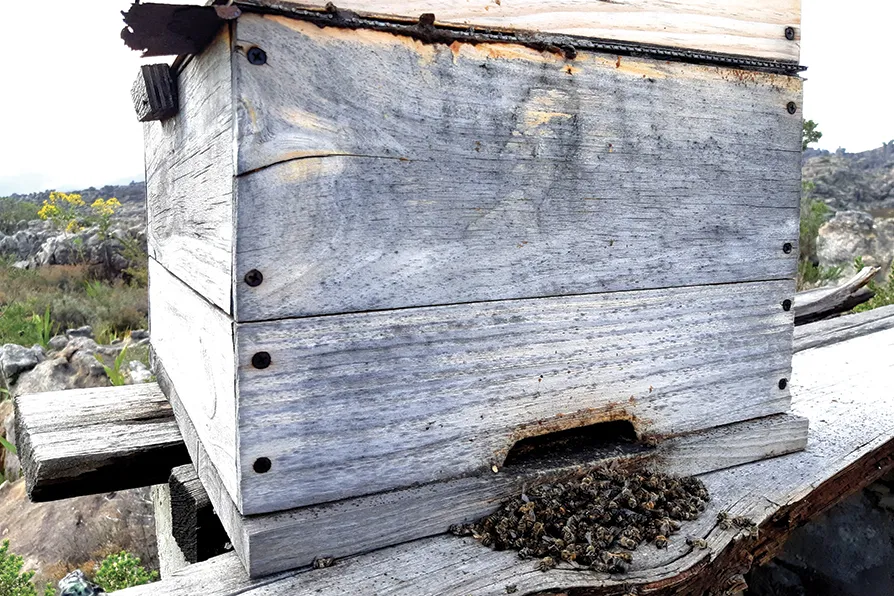
The West’s dangerous pesticide dumping in Africa is threatening biodiversity, population health and food sovereignty, argues ROGER McKENZIE

What’s behind the stubborn gender gap in Stem disciplines ask ROX MIDDLETON, LIAM SHAW and MIRIAM GAUNTLETT in their column Science and Society