All the evidence shows voters want Labour to shift to the left — but initial signs from Andy Burnham are worrying on that front, cautions DIANE ABBOTT


 Latest editorial
China's Five-Year Plan goals being achieved despite Covid-19
by ROBERT GRIFFITHS
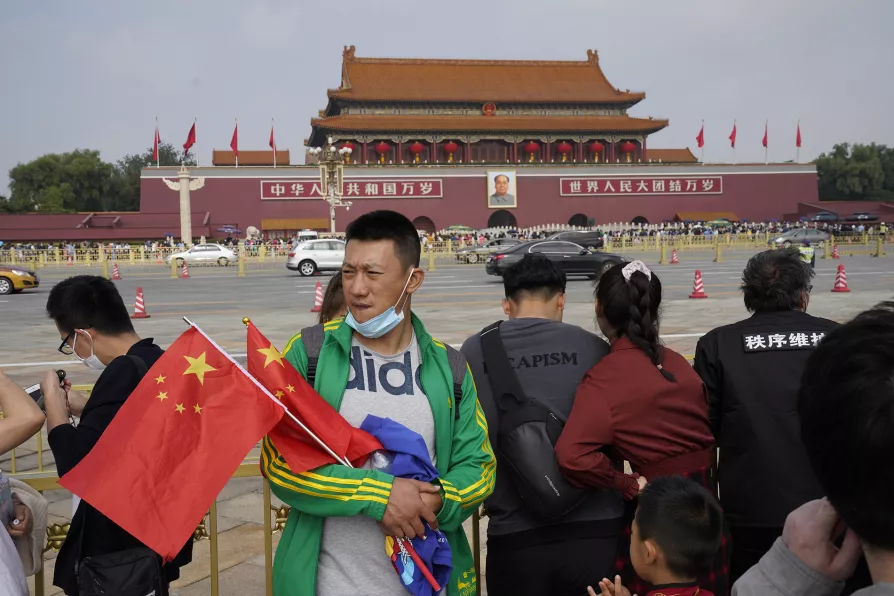 Tourists visiting Tiananmen Square


ANDY McDONALD MP says Labour must show it is capable of delivering real improvements in people’s lives — bold action is required
ANGUS REID and ANDREW JOHNSTONE report on an initiative that we must take this summer
ALLISON FEWTRELL on what Plaid Cymru's historic election victory means for the communities being failed by Wales’s housing crisis, and four things the new government can do right now
France Insoumise MP JEROME LEGAVRE speaks to Christophe Domec on building the Europe-wide peace movement that came together in the International Conference Against War last weekend
At last weekend’s International Conference Against War, LINDA PENTZ GUNTER talks to the Palestinian physician and politician about the struggles ahead to achieve a truly free Palestine





THE primary aim of China’s 13th Five Year Plan (2016-20) was to replace “unbalanced, unco-ordinated, and unsustainable growth” with innovative, co-ordinated, green, open and inclusive growth in order to create a “moderately prosperous society in all respects.”
The target was to achieve annual GDP growth of 6.5 per cent — amended upwards in 2016 for flexibility — which would double people’s average disposable income.
Despite the impact of the Covid-19 pandemic, it remains possible that this can still be met thanks to slight overfulfilment during the plan’s first three years.

Similar stories
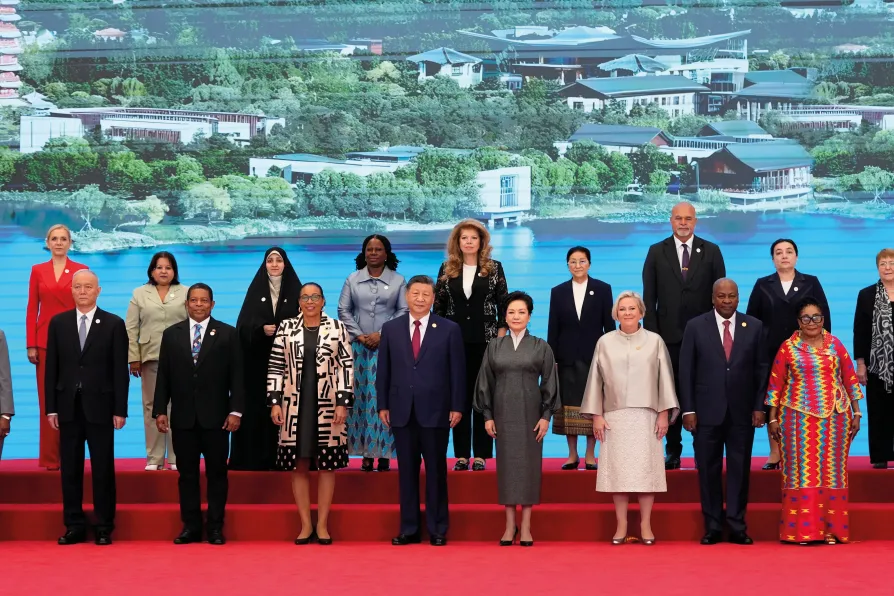
As the Global Leaders’ Meeting on Women begins in Beijing, it’s clear that China has fulfilled its commitments set 30 years ago and delivered amazing progress in women's education and equality, writes YU BOKUN

One of the major criticisms of China’s breakneck development in recent decades has been the impact on nature — returning after 15 years away, BEN CHACKO assessed whether the government’s recent turn to environmentalism has yielded results
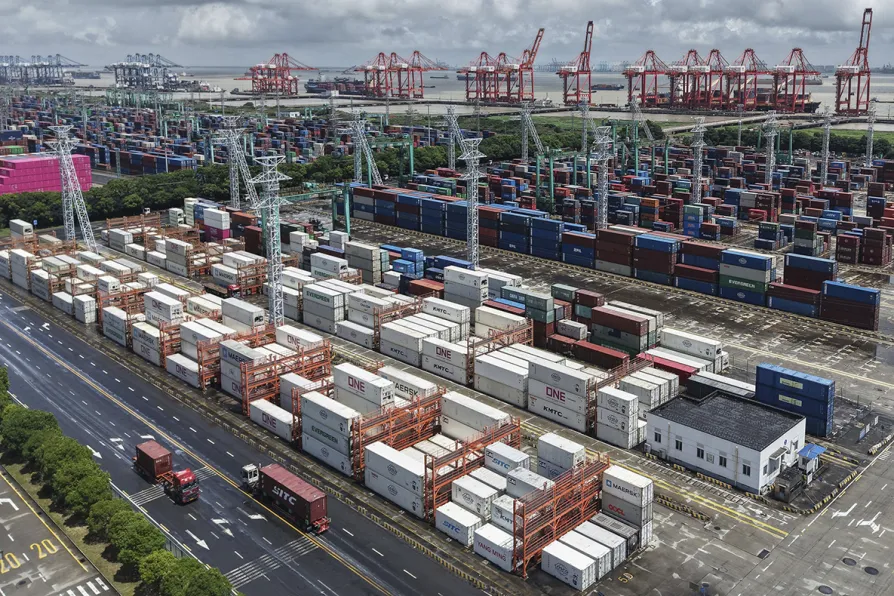
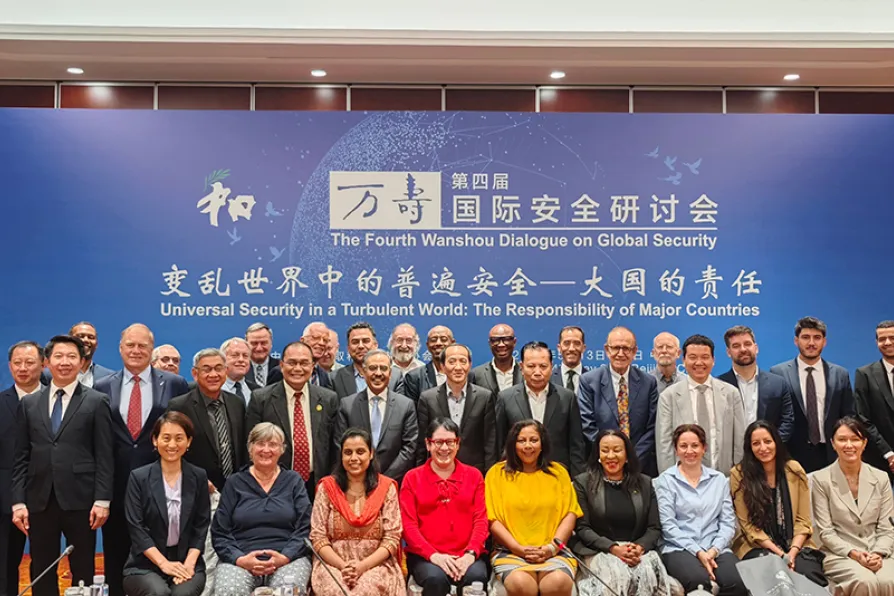
JENNY CLEGG reports from a Chinese peace conference bringing together defence ministers, US think tanks and global South leaders, where speakers warned that the erosion of multilateralism risks regional hotspots exploding into wider war