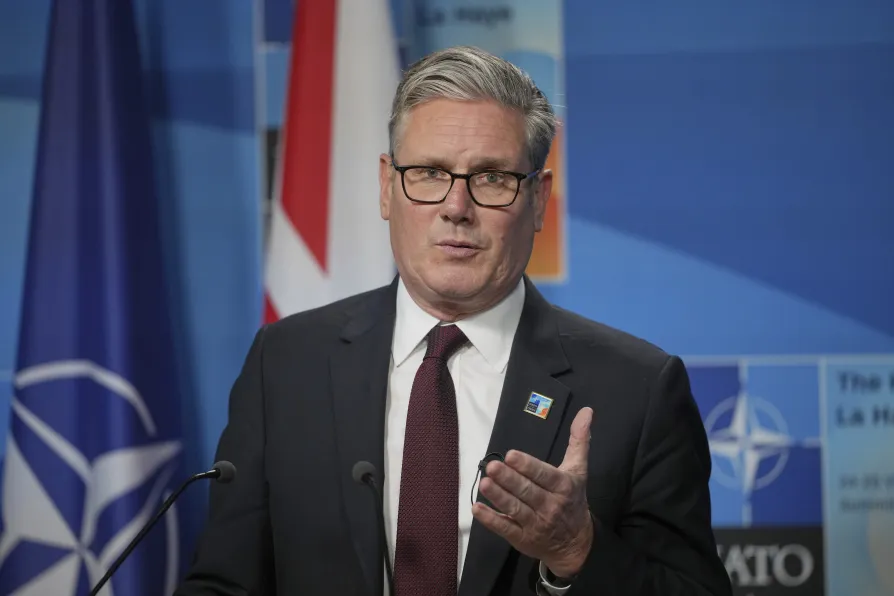
All the evidence shows voters want Labour to shift to the left — but initial signs from Andy Burnham are worrying on that front, cautions DIANE ABBOTT


 Latest editorial
John le Carre: the spy who came to criticise both sides
NICK WRIGHT remembers the real-life British intelligence officer who became one of the nation's most celebrated authors as a man whose exceptional writing came remarkably close to understanding the motivations of those who supported the socialist side in the Cold War
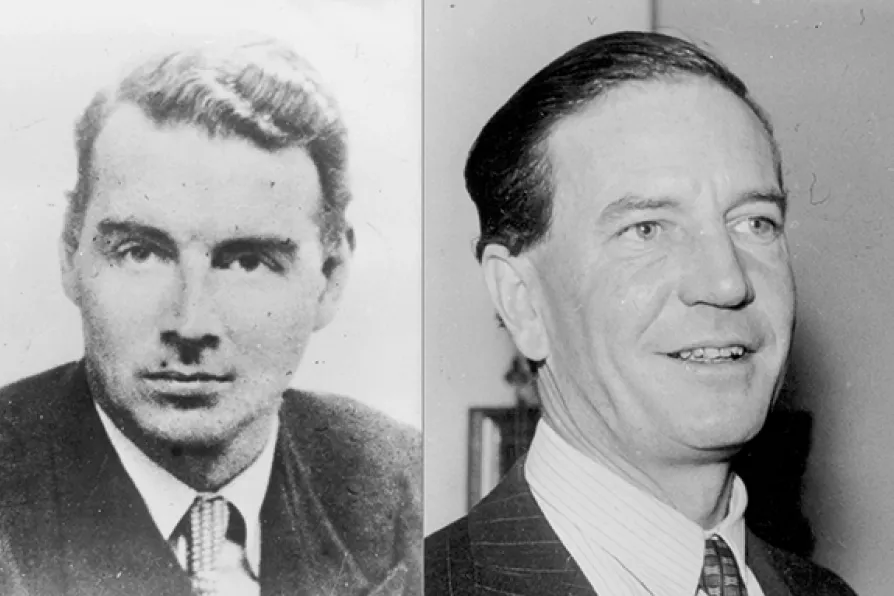 TRUE SPIES: Real life double agents (from left to right) Anthony Blunt, Guy Burgess and Kim Philby

ANDY McDONALD MP says Labour must show it is capable of delivering real improvements in people’s lives — bold action is required
ANGUS REID and ANDREW JOHNSTONE report on an initiative that we must take this summer
ALLISON FEWTRELL on what Plaid Cymru's historic election victory means for the communities being failed by Wales’s housing crisis, and four things the new government can do right now
France Insoumise MP JEROME LEGAVRE speaks to Christophe Domec on building the Europe-wide peace movement that came together in the International Conference Against War last weekend
At last weekend’s International Conference Against War, LINDA PENTZ GUNTER talks to the Palestinian physician and politician about the struggles ahead to achieve a truly free Palestine





EVERY spy novel turns on the question of betrayal and in the work of John le Carre this is at the heart of every story. His brilliant evocation of the Cold War with its rivalries and tensions reflected in the endless struggle for strategic advantage gave rise to a highly convincing cast of characters.
Le Carre acknowledged the provenance in real life of many of the characteristics he assigned to his protagonists. His unscrupulous con man father appears in A Perfect Spy; the bizarre collection of upper-class state functionaries and arriviste bureaucrats who staff the upper reaches of the Circus are the product of his literary skill and scrupulous characterisation but for anyone with a passing connection with the Civil Service, the intelligence world or Britain’s military caste they possess an authenticity that is more than the product of imagination.
Herein lies the secret of le Carre’s success as an author. For the generations shaped by the Cold War he renders the opaque operations of a secret world — hitherto impenetrable to the ordinary citizen — understandable in human terms and gives us fully three-dimensional characters with faults and foibles. He divides them into the categories innocent and knowing with a generosity that is even-handed except in relation to what we might categorise as the authentic British left and the working class.

Similar stories
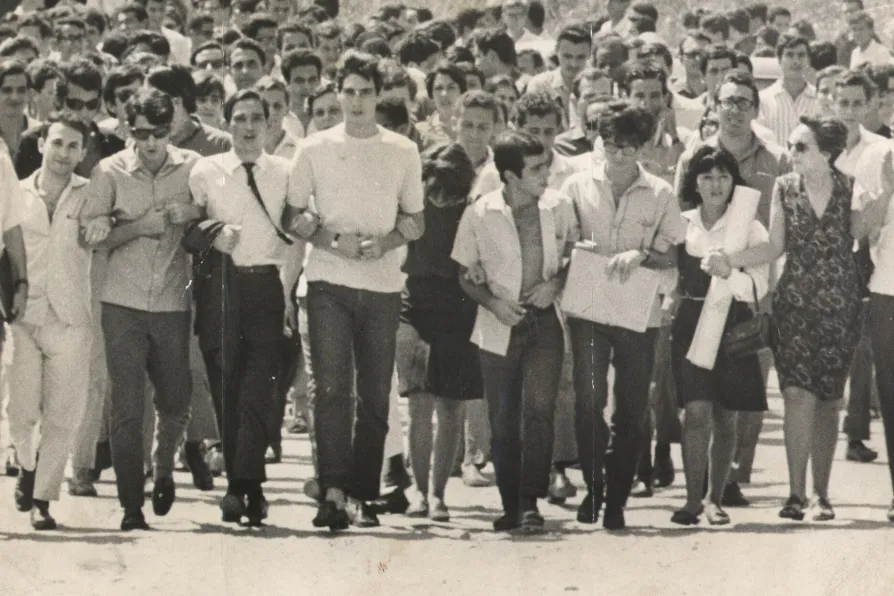
Newly revealed documents reveal that MI5 taught Brazilian secret police the techniques deployed by the 1964-85 military dictatorship in horrific prisons like Rio de Janeiro’s House of Death. SARA VIVACQUA reports
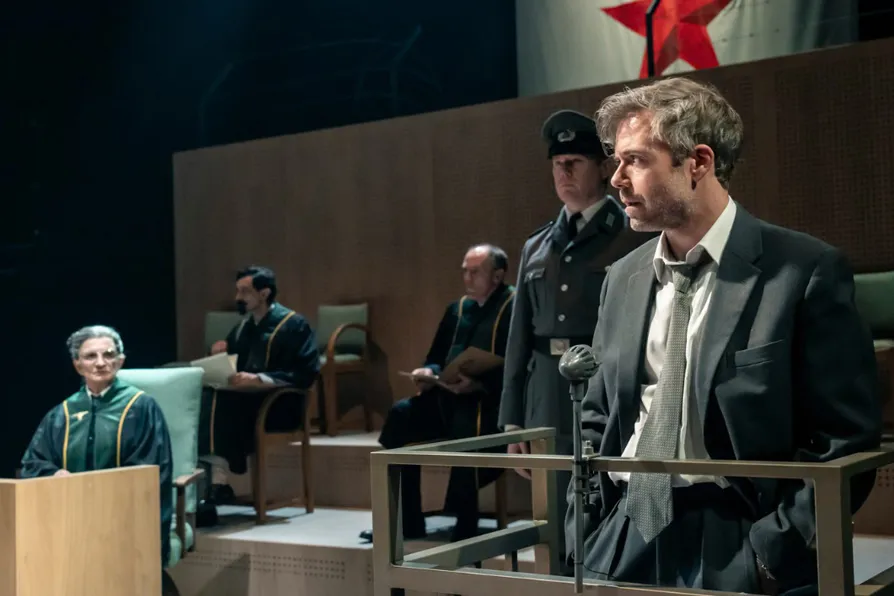
PETER MASON applauds a stage version of Le Carre’s novel that questions what ordinary people have to gain from high-level governmental spying

Starmer sabotaged Labour with his second referendum campaign, mobilising a liberal backlash that sincerely felt progressive ideals were at stake — but the EU was then and is now an entity Britain should have nothing to do with, explains NICK WRIGHT