Newly revealed documents reveal that MI5 taught Brazilian secret police the techniques deployed by the 1964-85 military dictatorship in horrific prisons like Rio de Janeiro’s House of Death. SARA VIVACQUA reports


 Latest editorial

Yemen — humanitarian crisis deepens
It is now almost six years since the Saudi Arabia-led coalition began bombing Yemen — STEVE BISHOP highlights the current issues and required action
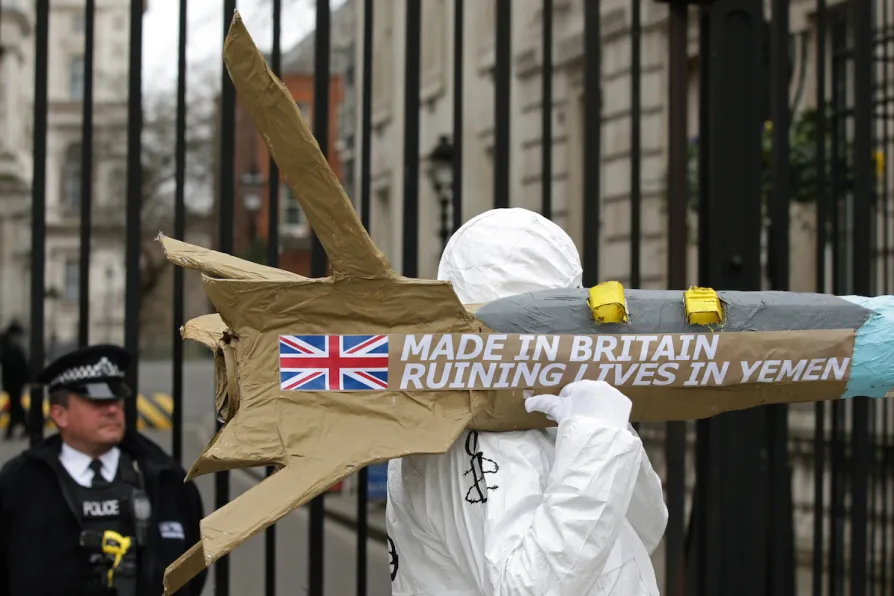
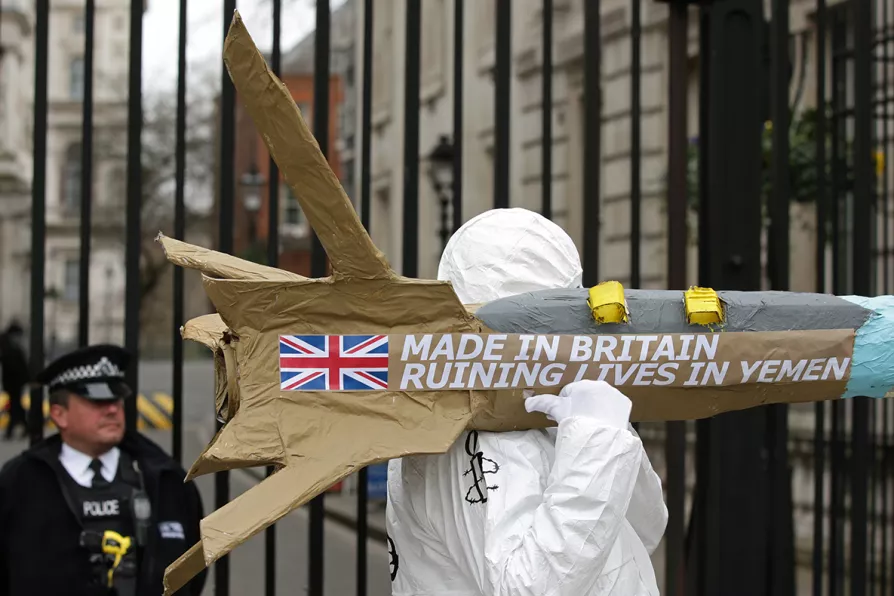 Campaigners from Amnesty International carrying a batch of five giant dummy missiles to Downing Street in London, in March 2016
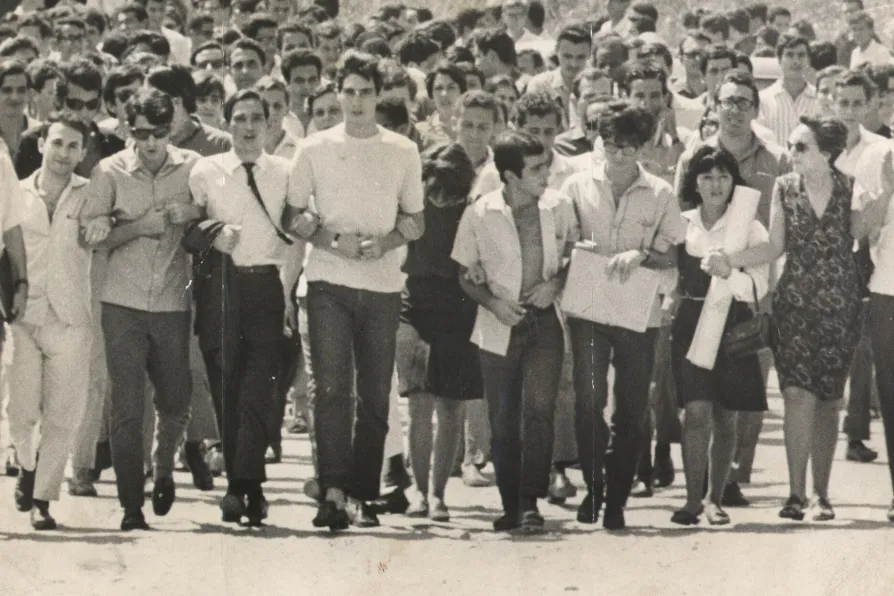
CHRISTOPHE DOMEC speaks to the France Insoumise politician facing constant persecution from French authorities
It can be hard to discern conspiracy theory from reality and under the Trump regime the two might just be the same thing, writes Linda Pentz Gunter
ALAN SIMPSON says responses to the Golders Green attacks risk deepening divides across our country
Capturing the general strikes history is a vital part of our struggles today, posits HENRY FOWLER
On a tumultuous day in Welsh politics DAVID NICHOLSON looks at the key issues for progressives in Wales to grapple with the rise of the far right





SAUDI Arabian forces along with those of the United Arab Emirates (UAE) invaded Yemen in March 2015 to reverse the popular uprising led by Houthi rebels. The Saudis main war aim has been to reinstate the puppet leader, the unelected president Abed Rabbo Mansour Hadi, to power. Hadi fled to Riyadh after being toppled by the Houthis (from north-western Yemen) in September 2014. The Saudis regard the Houthis as being too closely aligned to its major regional rival, Iran.
All of the countries comprising the Gulf Co-operation Council (GCC) except Oman are supporting the war. Other Arab countries, such as Morocco, Egypt and Jordan, have also offered help.
Britain, the US and nations across the European Union are complicit in the ongoing war in Yemen. The US and Britain are providing intelligence and logistics, while the use of British-made fighter jets and British-made bombs and missiles has had a devastating impact, including the loss of many civilian lives. Britain’s government has supported the coalition with billions of pounds of arms sales.

Similar stories
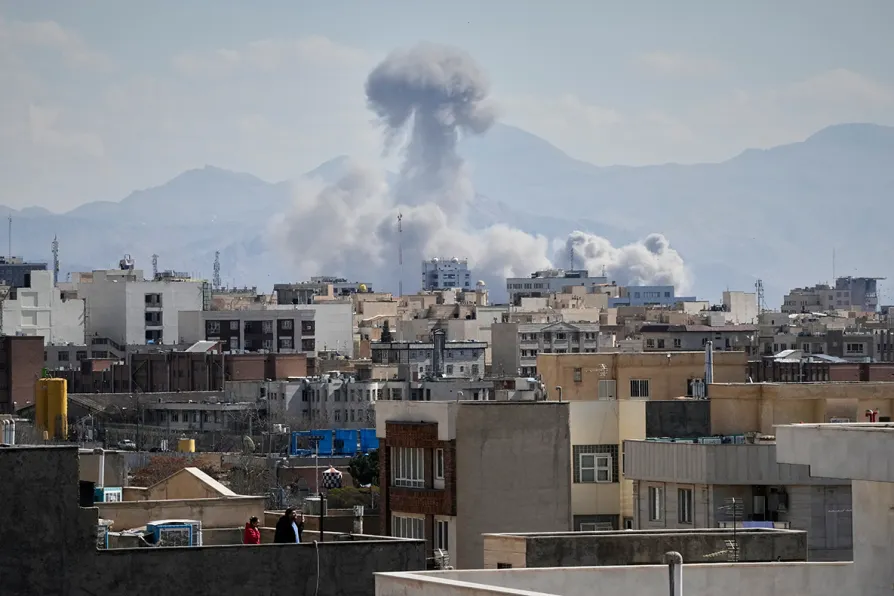
Tehran retaliates with attacks on Israel, the Gulf Arab states and crude oil flows
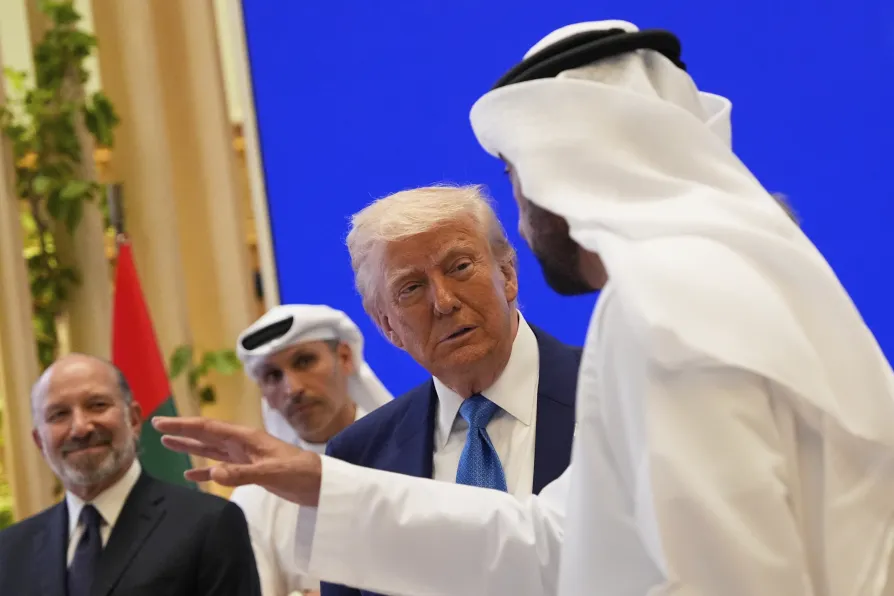
As the UAE-backed RSF carries out drone strikes on humanitarian infrastructure in war-torn Sudan, the US sells more weapons to the UAE, writes PAVAN KULKARNI