
The Morning Star publishes the speech by writer and editor JULIA BARD of the Jewish Socialists’ Group given at the paper’s annual conference at the weekend


Collective memory, fractured meanings
There has been a tendency to impose a singular interpretation of the Holocaust and the history of Jewish persecution – yet more dynamic interpretations can shine a valuable light on other traumas and oppressions, argues JULIA BARD
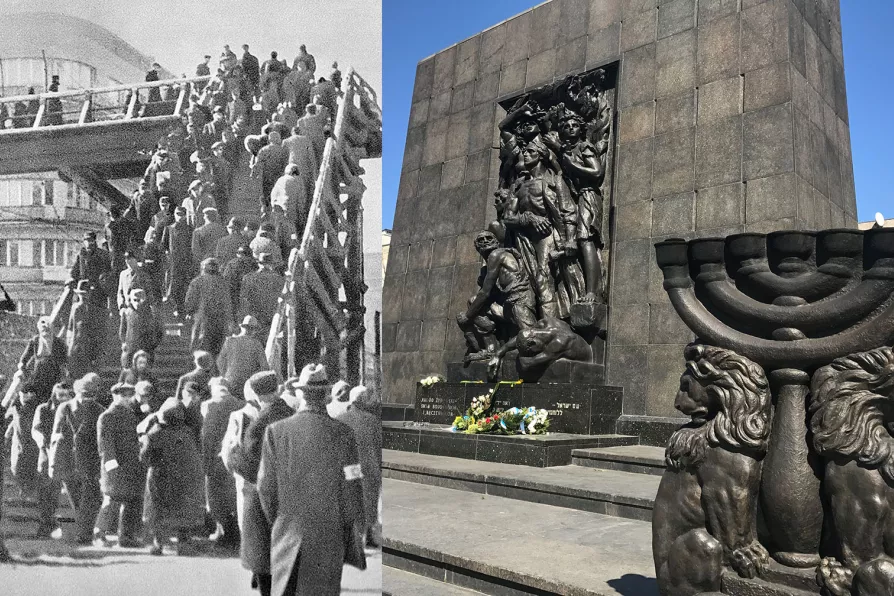
 A footbridge in the Warsaw Ghetto, pictured in 1942, and the ghetto memorial designed by Nathan Rapoport
Engels’ essay on our origins and distinctiveness built on Darwin’s own exploration of human evolution and has provided a framework for exploration and research which has stood the test of time, declares the Marx Memorial Library and Workers’ School
ANSELM ELDERGILL looks at the legality of the wars in the Middle East and the means used to fight them. It is said that truth is the first casualty of war, so what is the truth with regard to the legality of America’s and Israel’s wars in Iran, Palestine and Lebanon?
Long before modern labour movements, England’s farmworkers fought back against their oppression – and for some, like Elizabeth Studham, the price was exile to Australia. MAT COWARD tells the story
As world leaders posture and local politicians bore, voters are left with a grim choice: despair, disengage — or start imagining something better, says MATT KERR
CARLOS MARTINEZ reports on China’s role in helping Cuba develop self-sufficiency in renewable energy, which would shield it from the sort of pain Donald Trump is inflicting with his oil blockade





IN THE heart of the former Warsaw Ghetto an 11-metre-high black monument rises out of a wide, empty square.
One side of the monument is a dramatic sculpture of muscular fighters, young men and women in ragged clothes and with basic weapons, around the central figure of Mordechai Anielewicz, commander of the Warsaw Ghetto Uprising when, in 1943, a remnant of the Jewish population for three weeks held off a Nazi army determined to obliterate Jewish life in Europe.
At the base of the sculpture are inscriptions in Polish, Yiddish and Hebrew honouring “The Jewish people — its fighters and martyrs.”
Similar stories
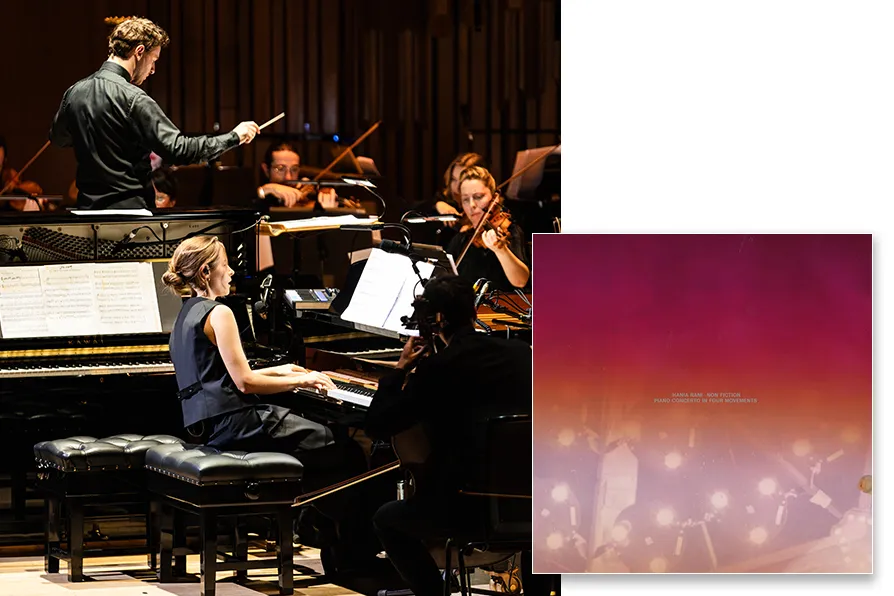
WILL STONE witnesses an experimental piano concerto inspired by the work of a young Jewish victim of the Nazis
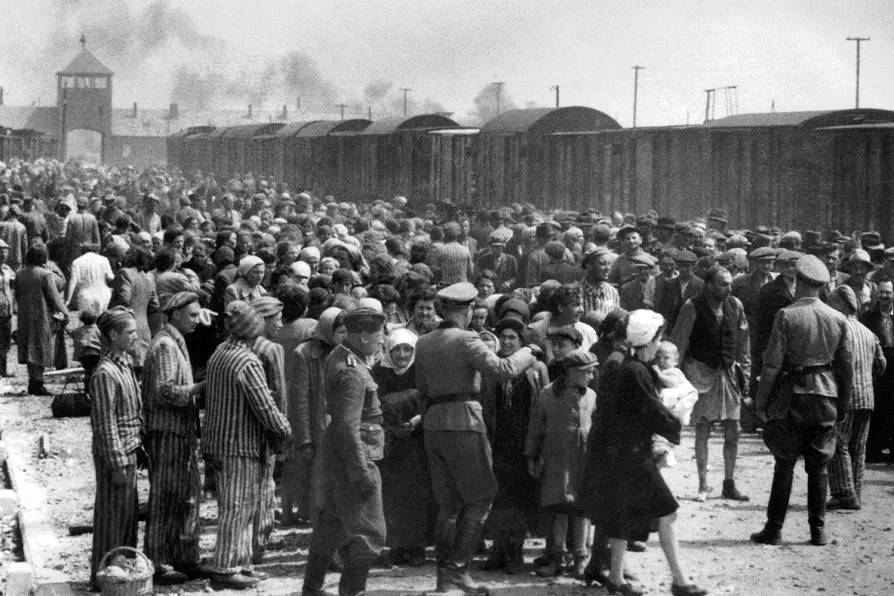
The obfuscation of Nazism’s capitalist roots has seen imperialism redeploy fascism again and again — from the killing fields of Guatemala to the war in Ukraine, writes PAWEL WARGAN
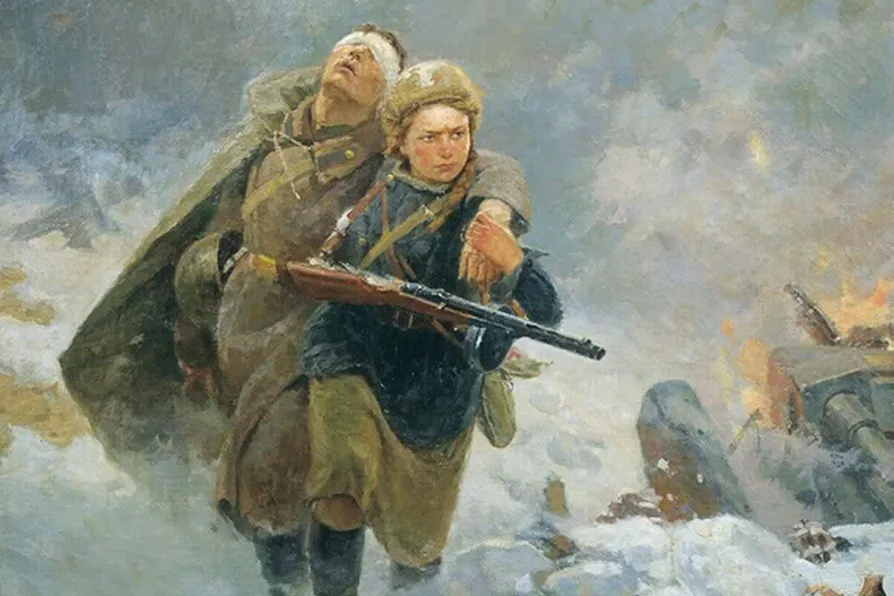
As Moscow celebrates the 80th anniversary of the Nazi defeat without Western allies in attendance, the EU even sanctions nations choosing to attend, revealing how completely the USSR's sacrifice of 27 million lives has been erased, argues KATE CLARK
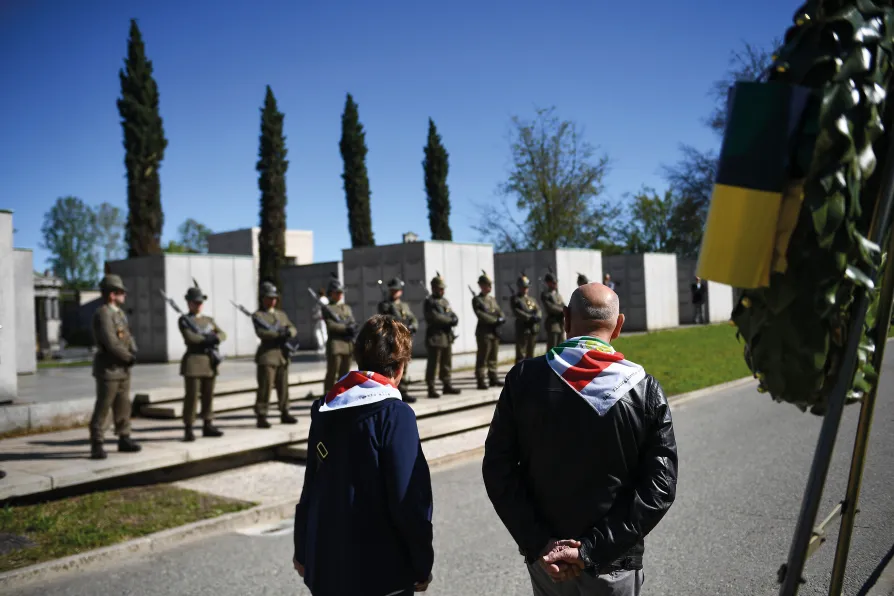
On the 80th anniversary of liberation from Nazi-fascism, left forces in Italy mobilise against genocide, armament, and the Meloni government, reports ANA VRACAR