All the evidence shows voters want Labour to shift to the left — but initial signs from Andy Burnham are worrying on that front, cautions DIANE ABBOTT


 Latest editorial
We've seen the government's post-Covid strategy. It's not good for the working class
Some may be impressed with the tax increases and large figures pledged in the Chancellor's budget — but even a cursory look shows that it does little to abolish poverty for our heroic front-line workers and lots to transfer the cost of the pandemic onto the working class, writes ROBERT GRIFFITHS

ANDY McDONALD MP says Labour must show it is capable of delivering real improvements in people’s lives — bold action is required
ANGUS REID and ANDREW JOHNSTONE report on an initiative that we must take this summer
ALLISON FEWTRELL on what Plaid Cymru's historic election victory means for the communities being failed by Wales’s housing crisis, and four things the new government can do right now
France Insoumise MP JEROME LEGAVRE speaks to Christophe Domec on building the Europe-wide peace movement that came together in the International Conference Against War last weekend
At last weekend’s International Conference Against War, LINDA PENTZ GUNTER talks to the Palestinian physician and politician about the struggles ahead to achieve a truly free Palestine





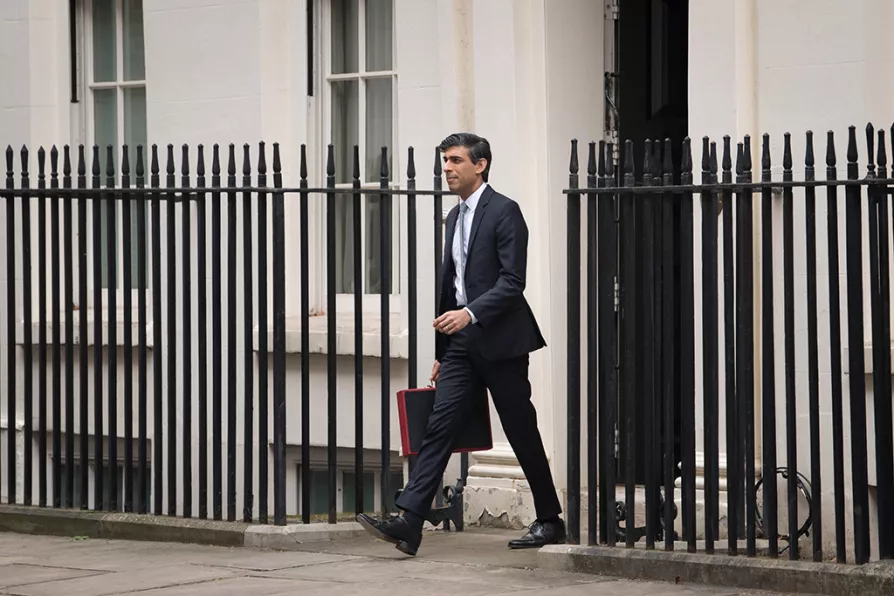
MATHEMATICALLY, it was impressive stuff. Chancellor Rishi Sunak stood at the House of Commons dispatch box and reeled off a series of bountiful spending statistics.
For this year and next, he pledged an extra £65bn support for the economy in the face of the coronavirus crisis. The furlough job subsidy scheme will be extended until the end of September (£7bn) along with aid for the self-employed (£11bn net); reducing VAT will save the hospitality and leisure sectors almost £5bn; and businesses will benefit from higher capital investment allowances (£25bn), a rates freeze (£7bn) and many other grants and tax breaks.
Extending the £20 a week uplift in universal credit to the end of September will cost the Treasury just over £2bn and paying £500 to some working tax credit recipients about £765m.

Similar stories
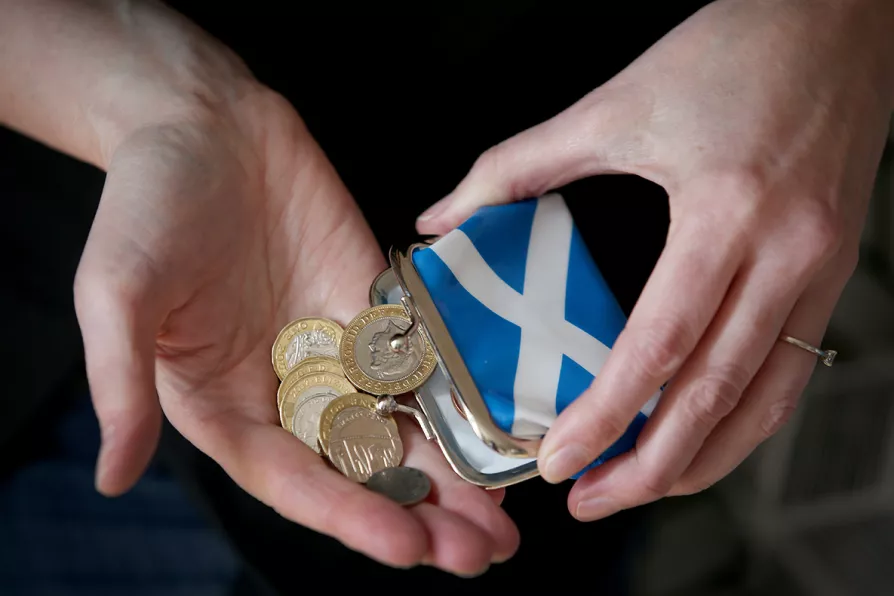
Years of underfunding are eroding Scotland’s local services and deepening inequality in communities, says VINCE MILLS

Starmer sabotaged Labour with his second referendum campaign, mobilising a liberal backlash that sincerely felt progressive ideals were at stake — but the EU was then and is now an entity Britain should have nothing to do with, explains NICK WRIGHT

It’s the dramatic rise of China with its burgeoning economy that has put the Trump administration into a frenzy – with major implications both at home and abroad, argues MICHAEL BURKE
Under current policy, welfare cuts are just a small downpayment on future austerity, argues MICHAEL BURKE