All the evidence shows voters want Labour to shift to the left — but initial signs from Andy Burnham are worrying on that front, cautions DIANE ABBOTT


 Latest editorial
Flying visits
New research suggests that peregrines which migrate long-distances have a superior long-term memory, write ROX MIDDLETON, LIAM SHAW and JOEL HELLEWELL
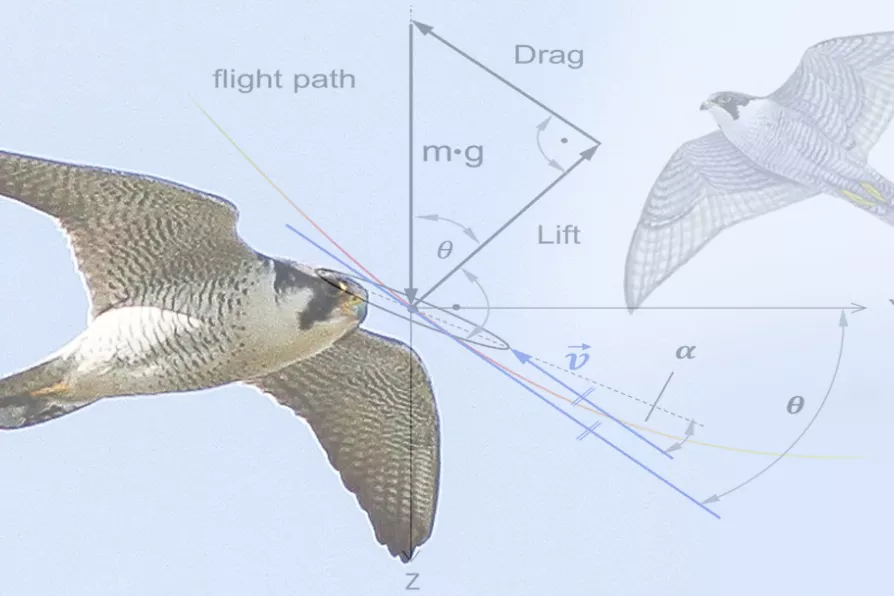 The researchers noticed that there were two clear groups of birds: short-distance and long-distance and by looking at the bird’s genomes, they report evidence that this difference might have genetic causes

ANDY McDONALD MP says Labour must show it is capable of delivering real improvements in people’s lives — bold action is required
ANGUS REID and ANDREW JOHNSTONE report on an initiative that we must take this summer
ALLISON FEWTRELL on what Plaid Cymru's historic election victory means for the communities being failed by Wales’s housing crisis, and four things the new government can do right now
France Insoumise MP JEROME LEGAVRE speaks to Christophe Domec on building the Europe-wide peace movement that came together in the International Conference Against War last weekend
At last weekend’s International Conference Against War, LINDA PENTZ GUNTER talks to the Palestinian physician and politician about the struggles ahead to achieve a truly free Palestine





PEREGRINE FALCONS are known for their speed: when one dives from a great height at more than 320km (199 miles) per hour, for a brief moment it will be the fastest animal on Earth. But they are also endurance flyers, migrating thousands of kilometres.
In a new study published in Nature, an international team of researchers investigated peregrine migration. As they note in their response to one peer reviewer who complained about the relatively small size of the dataset, “for a top predator living in the remote Arctic” only accessible in “short Arctic summer breeding windows,” they did pretty well: they tracked 56 birds and took blood samples from 35 individuals.
The peregrines in the study breed in the Arctic north, along the top of Russia and migrate south to a huge variety of locations: northern Africa, India, China and Indonesia. By putting satellite trackers on birds and watching their flight patterns over multiple years, the researchers hoped to be able to understand why the birds took the routes they did.

Similar stories

Coal-fired stoves in traditional homes are the primary source of extreme levels of air pollution in over-crowded Ulaanbaatar. As more people become climate-displaced, the situation is likely to worsen, write SCIENCE AND SOCIETY

Neutrinos are so abundant that 400 trillion pass through your body every second. ROX MIDDLETON, LIAM SHAW and MIRIAM GAUNTLETT explain how scientists are seeking to know more about them

New research into mutations in sperm helps us better understand why they occur, while debunking a few myths in the process, write ROX MIDDLETON, LIAM SHAW and MIRIAM GAUNTLETT

What’s behind the stubborn gender gap in Stem disciplines ask ROX MIDDLETON, LIAM SHAW and MIRIAM GAUNTLETT in their column Science and Society