To rescue Kahlo from the clutches of the corporate art market, we need to acknowledge the overt and covert political dimensions of the work, demands GAVIN O’TOOLE


 Latest editorial
A purpose to pleasure
Tate Liverpool's exhibition reveals the brilliance of Fernand Leger, one of the great painters of realist political art, says CHRISTINE LINDEY
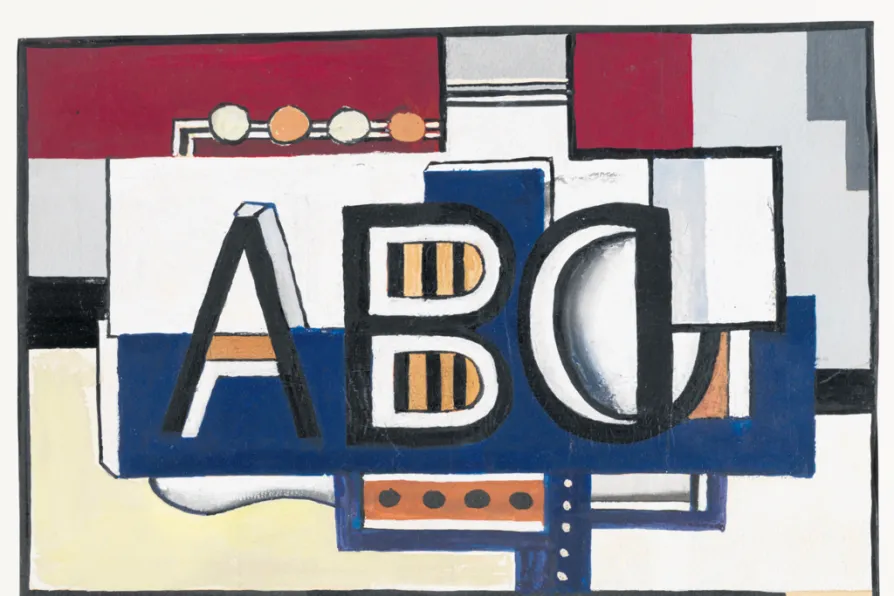 ABC by Fernand Leeger, 1927
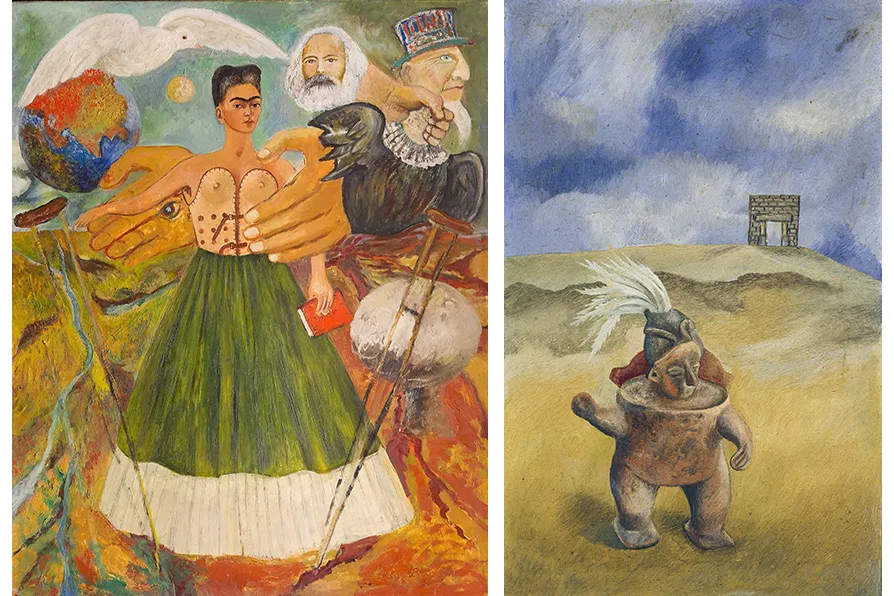
If you can see past the relentless commodification you will be rewarded by enormously powerful work, suggests JENNY MITCHELL
CHRIS SEARLE revels in the one-off collaboration between an American polymath and a British Muslim, and detects the presence of their revolutionary forebear
GORDON PARSONS revels in an ebullient production of Shakespeare’s magical comedy
BRENT CUTLER welcomes a thoughtful analysis of the Erdogan regime, viewed through the evolving history of a neighbourhood in Istanbul
GORDON PARSONS regrets the price, but is dazzled by an outstandingly ambitious study of the way art restoration in particular, and culture in general was weaponised by the Nazis





FERNAND LEGER (1881-1955) grasped life with insatiable optimism and a passion for ideas. He was born in Normandy to a belligerent cattle merchant who died during his early childhood, leaving an impoverished widow. She apprenticed the 16-year-old Leger to an architect, but, in 1900, he fulfilled his desire to study art in Paris, by supporting himself as an architectural draughtsman.
He had grasped the full significance of the recent revolutionary Cubist and Futurist innovations and used them to convey the modernity of urban life, with its simultaneous cacophony of sounds, speeding motorised vehicles and visual stimulation.

Similar stories
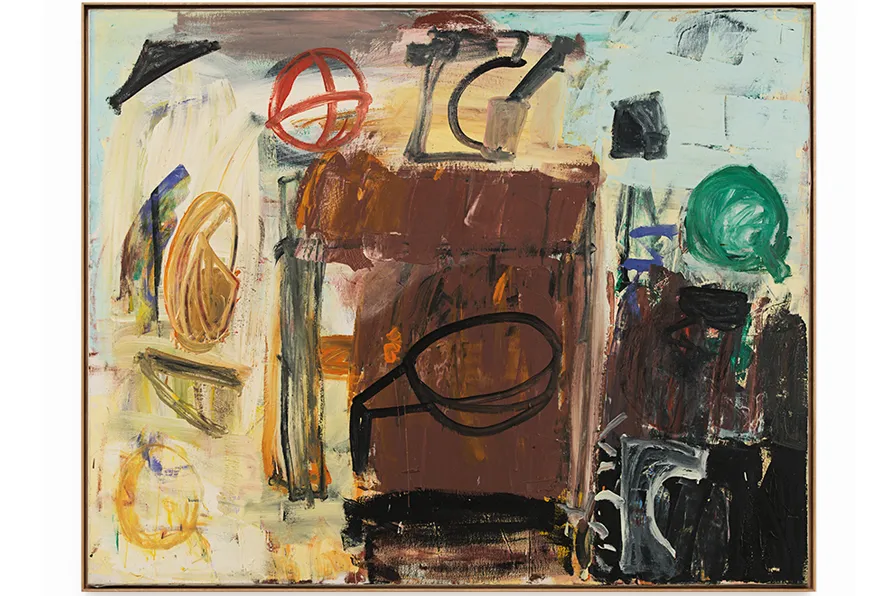
MIRANDA RICHMOND relishes the gloriously liberated art of Roy Oxlade, and traces his method back to the thinking of David Bomberg, his acknowledged teacher
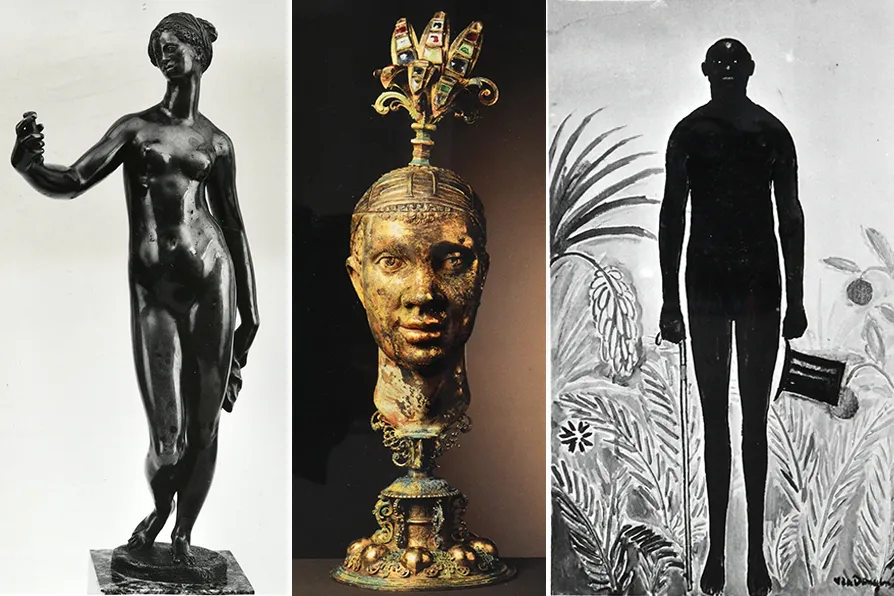
KEVIN DONNELLY accepts the invitation to think speculatively in contemplation of representations of people of African descent in our cultural heritage
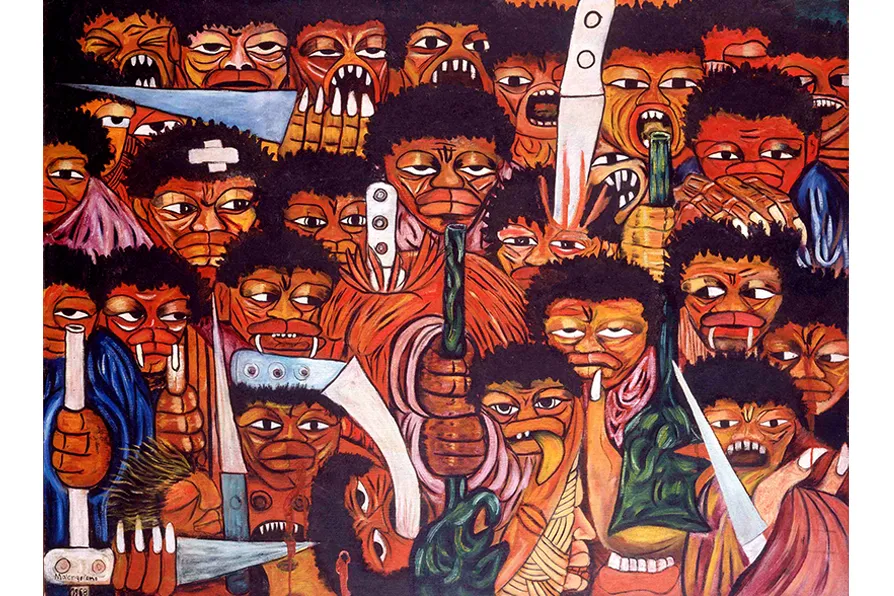
JOHN GREEN welcomes a remarkable study of Mozambique’s most renowned contemporary artist
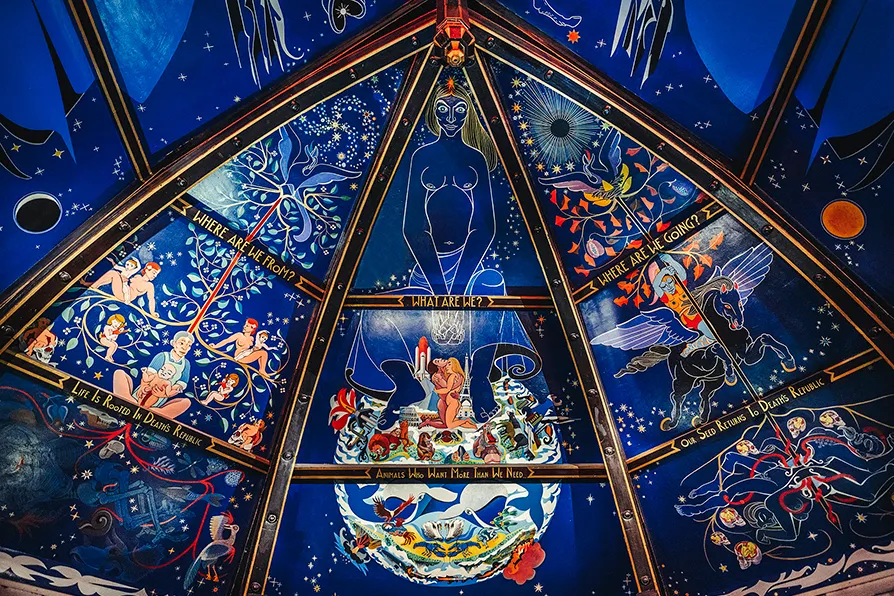
BLANE SAVAGE recommends the display of nine previously unseen works by the Glaswegian artist, novelist and playwright