To rescue Kahlo from the clutches of the corporate art market, we need to acknowledge the overt and covert political dimensions of the work, demands GAVIN O’TOOLE


 Latest editorial
Time to return to dystopia
We're now living though the scenarios predicted in novels like 1984 and Brave New World. What can we learn from them about the world today, asks JOHN GREEN
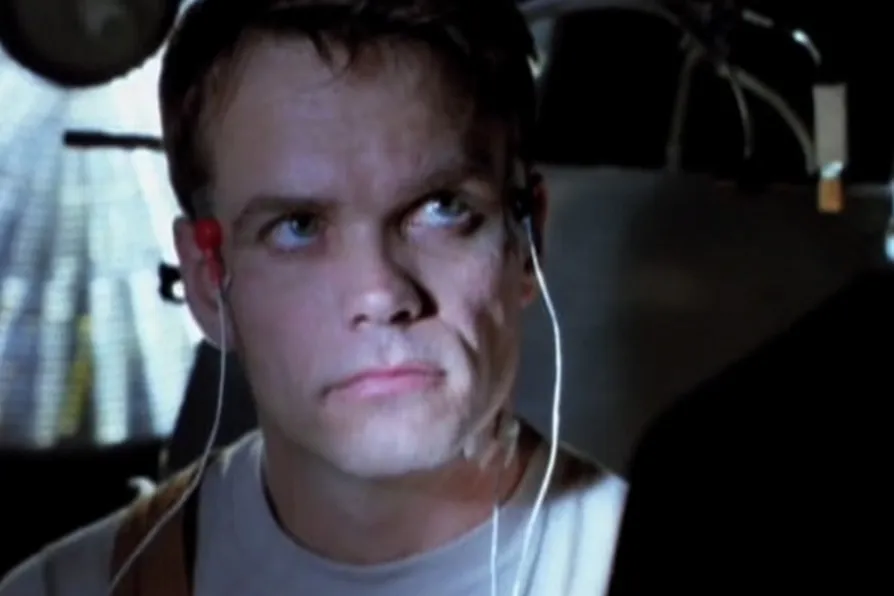 Dystopia now: Brave New World on film
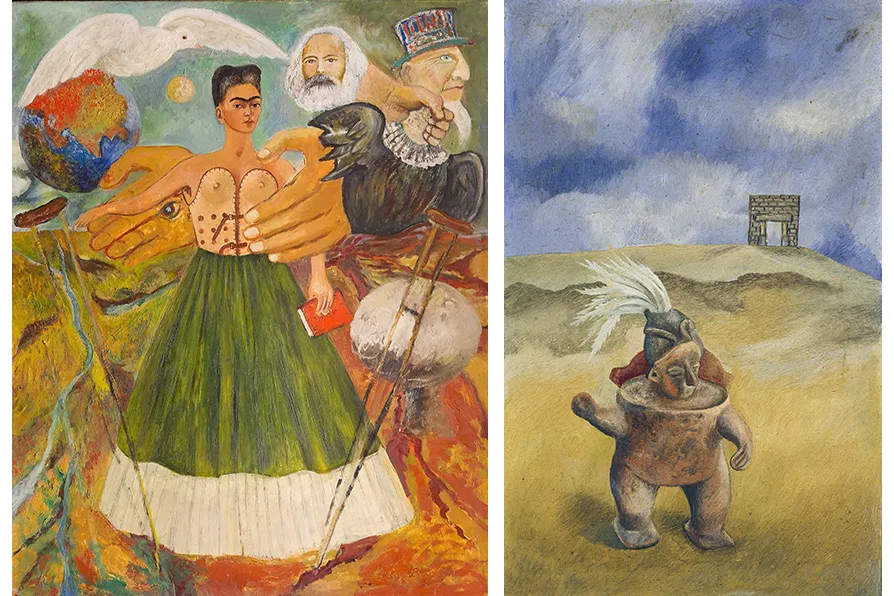
If you can see past the relentless commodification you will be rewarded by enormously powerful work, suggests JENNY MITCHELL
CHRIS SEARLE revels in the one-off collaboration between an American polymath and a British Muslim, and detects the presence of their revolutionary forebear
GORDON PARSONS revels in an ebullient production of Shakespeare’s magical comedy
BRENT CUTLER welcomes a thoughtful analysis of the Erdogan regime, viewed through the evolving history of a neighbourhood in Istanbul
GORDON PARSONS regrets the price, but is dazzled by an outstandingly ambitious study of the way art restoration in particular, and culture in general was weaponised by the Nazis




GEORGE ORWELL’S 1984 has been the Bible of anti-communist crusaders for generations and it’s a permanent fixture on reading lists in schools and colleges.
Yet other dystopian novels like Brave New World, written in 1931 by Aldous Huxley — 17 years before Orwell’s work — or Kurt Vonnegut’s Player Piano (1952) are largely unknown today. Why would that be?
1984 was used not only to vilify the Soviet Union but communist and socialist ideas in general. Everyone is aware of the concepts of Big Brother, Newspeak and Doublethink. It’s not really surprising that Huxley’s fiction, probably inspired by the Soviet writer Yevgeny Zamyatin’s novel We, is not better known because its premise that it is capitalism taking us down the road to uniformity and loss of individualism is not one the ruling elite wish to see promoted.
Similar stories
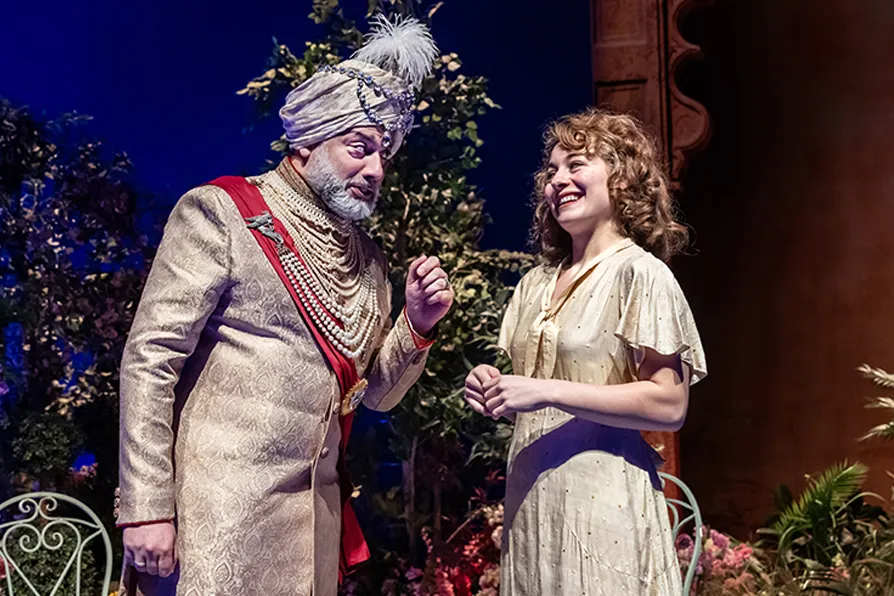
Although this production was in rehearsal before the playwright’s death, it allows us to pay homage to his life, suggests MARY CONWAY

Digital ID means the government could track anyone and then limit their speech, movements, finances — and it could get this all wrong, identifying the wrong people for the wrong reasons, as the numerous digital cockups so far demonstrate, warns DYLAN MURPHY
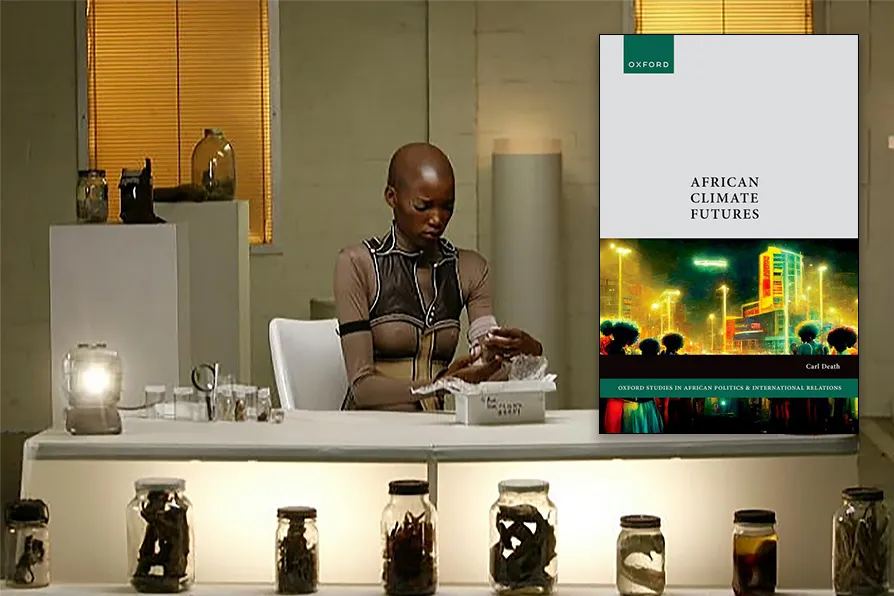
CARL DEATH introduces a new book which explores how African science fiction is addressing climate change
At the very moment Britain faces poverty, housing and climate crises requiring radical solutions, the liberal press promotes ideologically narrow books while marginalising authors who offer the most accurate understanding of change, writes IAN SINCLAIR