To rescue Kahlo from the clutches of the corporate art market, we need to acknowledge the overt and covert political dimensions of the work, demands GAVIN O’TOOLE


 Latest editorial
Issues with Island race relations
There are troubling flaws in the stage adaptation of Andrea Levy's nuanced account of the Windrush generation experience, says LYNNE WALSH
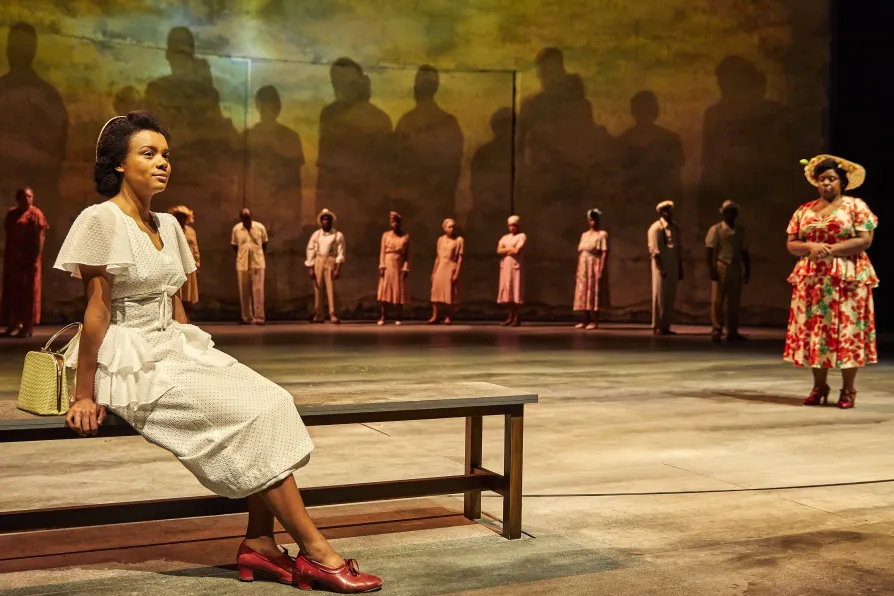 Spot on: Leah Harvey and Shiloh Coke
[Brinkhoff Moegenburg]
Spot on: Leah Harvey and Shiloh Coke
[Brinkhoff Moegenburg]
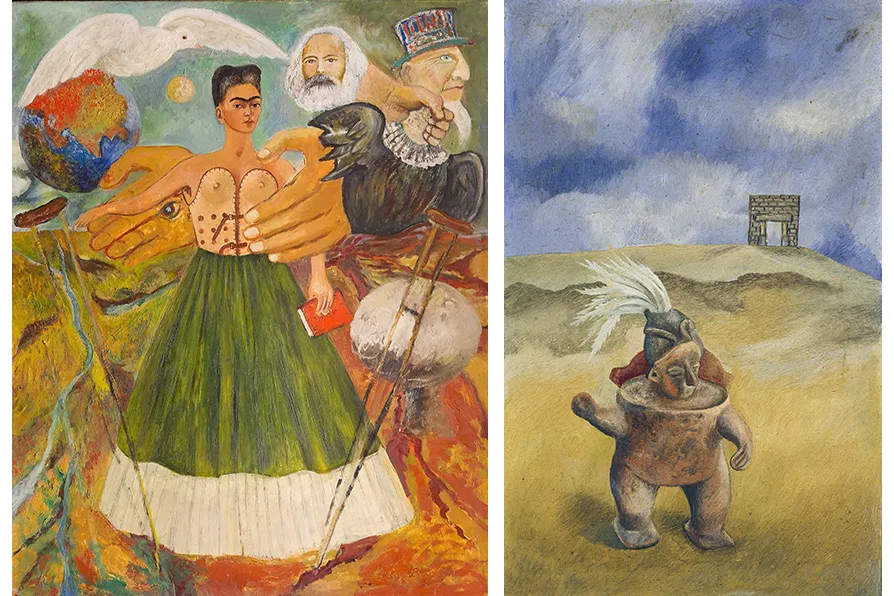
If you can see past the relentless commodification you will be rewarded by enormously powerful work, suggests JENNY MITCHELL
CHRIS SEARLE revels in the one-off collaboration between an American polymath and a British Muslim, and detects the presence of their revolutionary forebear
GORDON PARSONS revels in an ebullient production of Shakespeare’s magical comedy
BRENT CUTLER welcomes a thoughtful analysis of the Erdogan regime, viewed through the evolving history of a neighbourhood in Istanbul
GORDON PARSONS regrets the price, but is dazzled by an outstandingly ambitious study of the way art restoration in particular, and culture in general was weaponised by the Nazis





Small Island
National Theatre
ANDREA Levy’s novel Small Island was showered with praise and prizes when it appeared in 2004 and this dramatisation of it works hard to capture the luscious detail and superb characterisation of her work.
Technically, it’s an almost flawless production, with casting, choreography and set all spot on. But the heart is missing, or at least, it’s beating only very softly. Levy’s powers of description, rendered neat and tidy, miss out on her extraordinary control over what could have been a mere stream of consciousness but is, in the book, a forensic explanation of bewildering events.
A passage recounting that all-too-familiar happening during the Blitz, a doodlebug hitting the street, is reduced to a sentence or two. A necessary edit, perhaps, as this adaptation is more than three hours long, yet the exultation of a neglected wife discovering better sex is rendered in all its flamboyant detail. It’s perhaps a telling choice by Helen Edmundson, whose adaptation this is.
The quasi-Shakespearean plot embraces lovers found and lost and follows the fortunes of the feisty Jamaiacan emigres Hortense (Leah Harvey, flawless), determined to find the golden life she hopes for in the mother country and Michael (CJ Beckford), adored by all.
His wealthy parents send him off to school only to be dismayed when he returns, spouting Darwin and offending his God-fearing father. Finding another way out of the Caribbean is Gilbert (Gershwin Eustace Jr), a would-be lawyer who dreams of wearing the RAF blue and serving his king and country.
Awaiting them all in England is Queenie, brilliantly played by Aisling Loftus. She holds things together for her emotionally sterile husband Bernard (Andrew Rothney) and father-in-law Arthur (David Fielder), irreparably damaged by the first world war, and for her lodgers.
Her throwaway line: “I’m not ashamed to be seen walking in the street with you, not like some,” reveals a profound truth — that racism can be a choice.
Yet there are a few too many stereotypes here and that must invite questions about director Rufus Norris’s judgement. Levy’s humour has a sweetness and a delicate charm — it doesn’t require rolling eyes and sassy swaggering.
The ingrained racism which greeted the Windrush newcomers runs through Small Island like a polluted stream. There may be some motivations for it, with Bernard traumatised by an enforced spell in India during the so-called great Calcutta killings of 1946. He cannot bring himself not to hate a darker skin and Rothney finds nuances in a troubled man who starts as caricature and is revealed as a lost boy. But he’s a racist, nevertheless.
Levy’s resonant message, however, is as much about war and the promises it always makes that there will be a levelling of class and of race — promises that are always broken, along with the men and women caught up in it.
Runs until August 10, box office: nationaltheatre.org.uk

Similar stories

Sexual harassment on Britain’s railways is rising sharply, according to the British Transport Police, yet too many women still feel reporting is futile. LYNNE WALSH asks why the burden of safety all too often remains on women themselves
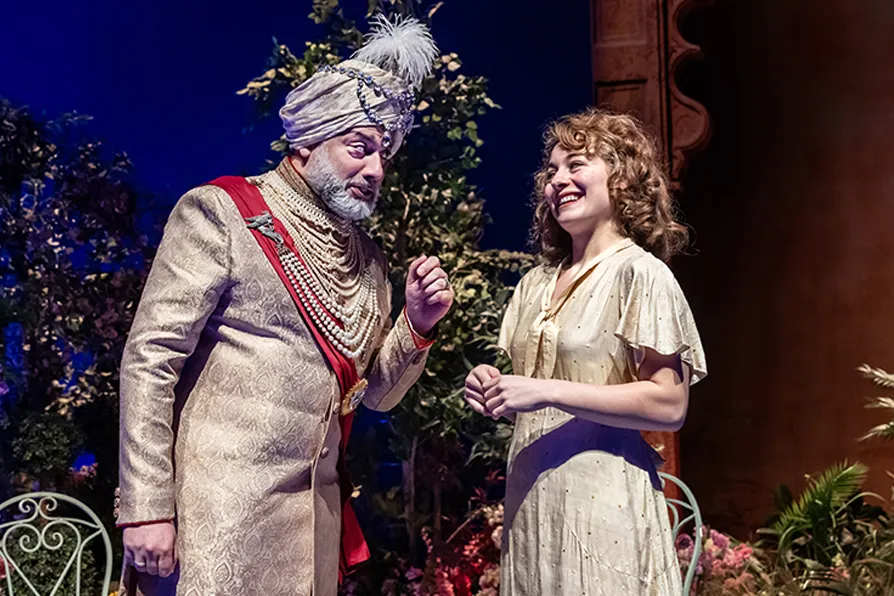
Although this production was in rehearsal before the playwright’s death, it allows us to pay homage to his life, suggests MARY CONWAY
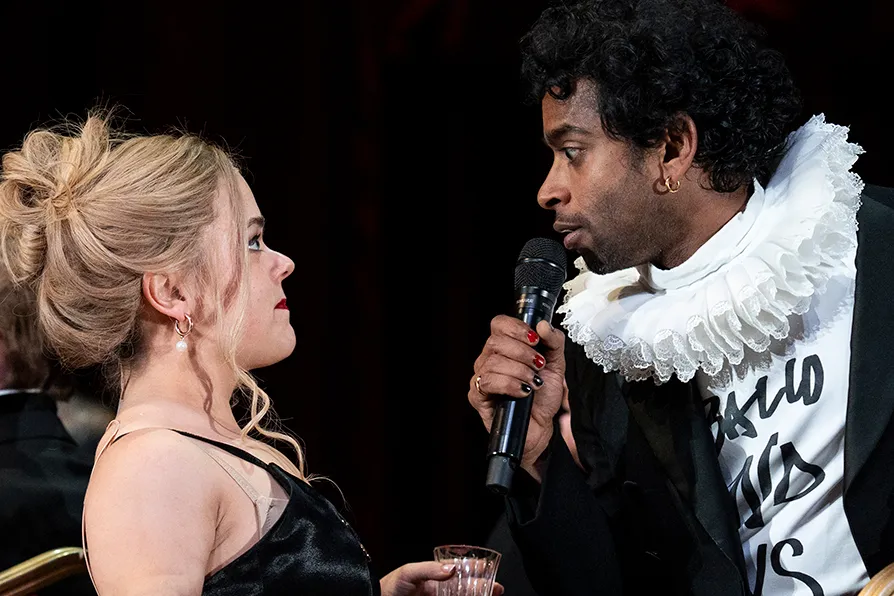
MAYER WAKEFIELD is gripped by a production dives rapidly from champagne-quaffing slick to fraying motormouth
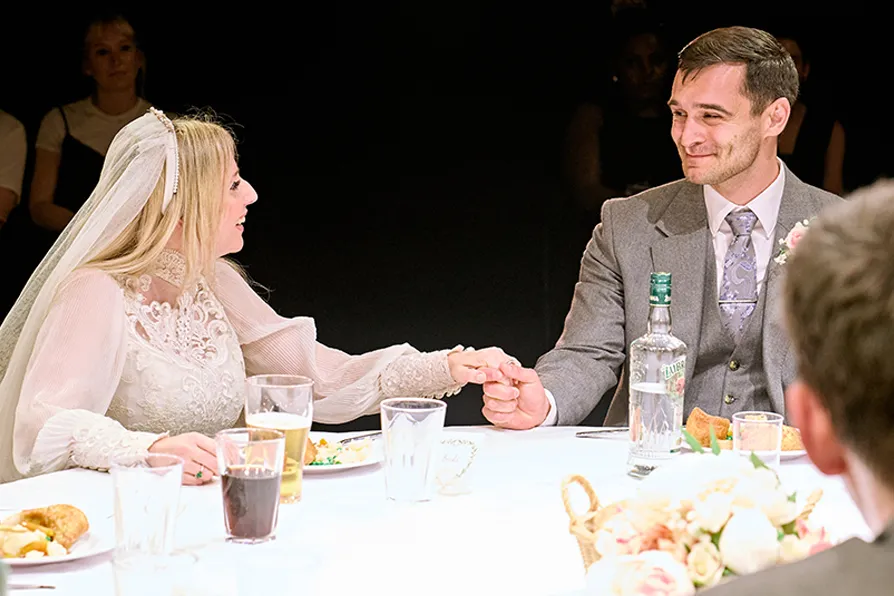
MARY CONWAY applauds the success of Beth Steel’s bitter-sweet state-of-the-nation play