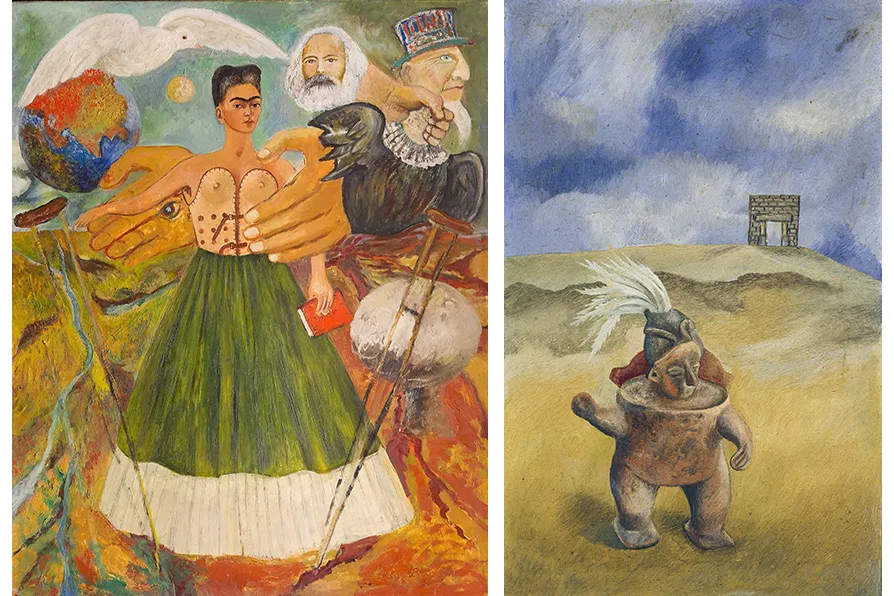
To rescue Kahlo from the clutches of the corporate art market, we need to acknowledge the overt and covert political dimensions of the work, demands GAVIN O’TOOLE


 Latest editorial
Still stunning
Works by Natalia Goncharova are as eyecatching today as they were when first produced almost a century ago, says CHRISTINE LINDEY
 Sybil Andrews: Speedway. Andrew Power: Wimbledon. Cyril Power: The Eight
If you can see past the relentless commodification you will be rewarded by enormously powerful work, suggests JENNY MITCHELL
CHRIS SEARLE revels in the one-off collaboration between an American polymath and a British Muslim, and detects the presence of their revolutionary forebear
GORDON PARSONS revels in an ebullient production of Shakespeare’s magical comedy
BRENT CUTLER welcomes a thoughtful analysis of the Erdogan regime, viewed through the evolving history of a neighbourhood in Istanbul
GORDON PARSONS regrets the price, but is dazzled by an outstandingly ambitious study of the way art restoration in particular, and culture in general was weaponised by the Nazis





Natalia Goncharova
Tate Modern, London
A MAJOR figure in Russia’s vibrant pre-World War I avant-garde, aristocrat Natalia Goncharova (1881-1962) was born on her family’s country estate and studied art in Moscow. There she met Mikhail Larionov, who became her lifelong partner and collaborator.
Confident and courageous, she delighted in outraging her ruling class’s rigidly traditional moeurs and high-art aesthetics with “primitive” paintings, whose lack of lifelike representation defied academic conventions.
Paintings like Hay Cutting (1907-08) ignore rules of tone, scale and perspective and use raw, often unmixed colours and large areas of flat shapes encased in bold, visible outlines, as did the contemporary French Fauvists and German Expressionists.

Similar stories
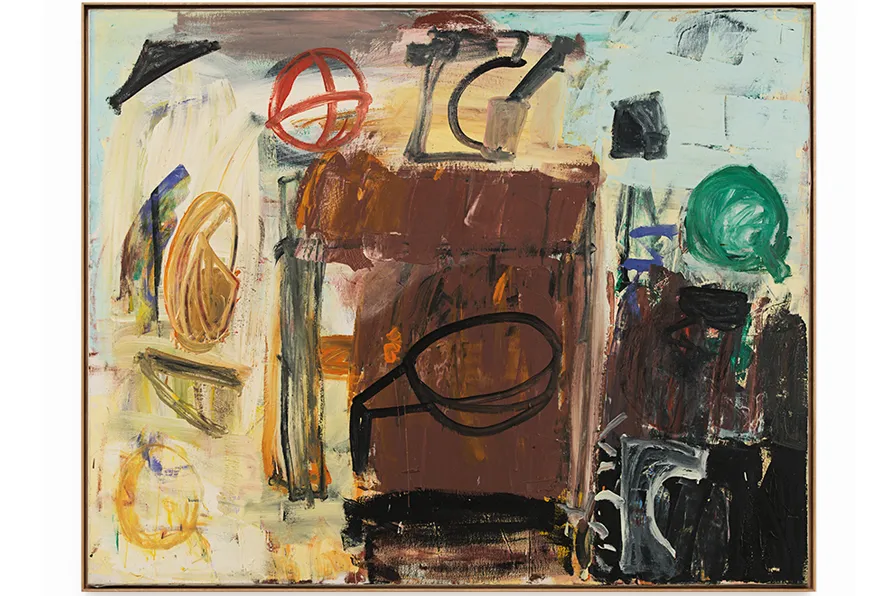
MIRANDA RICHMOND relishes the gloriously liberated art of Roy Oxlade, and traces his method back to the thinking of David Bomberg, his acknowledged teacher
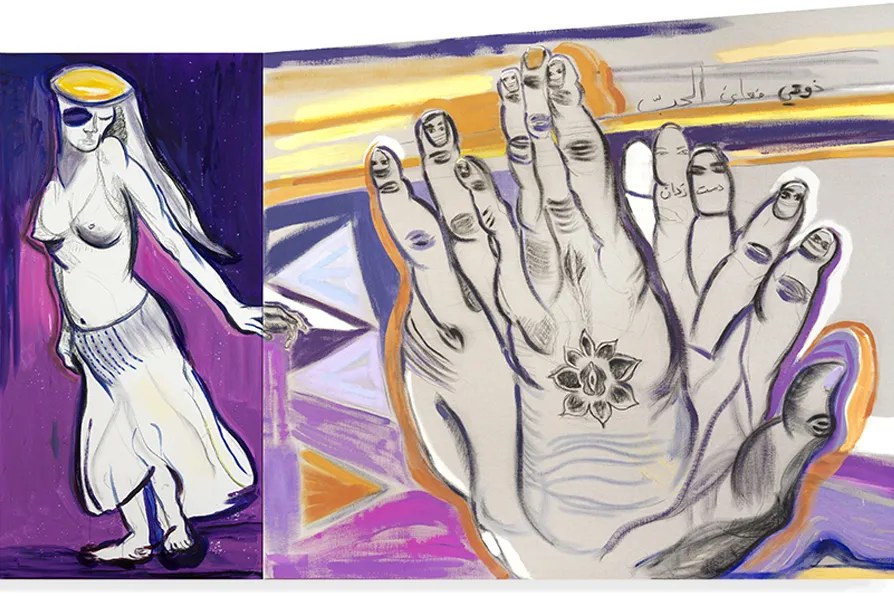
SIMON PARSONS applauds an artist who rescues and rehumanises stories of women, the victims of violence, from a feminist perspective
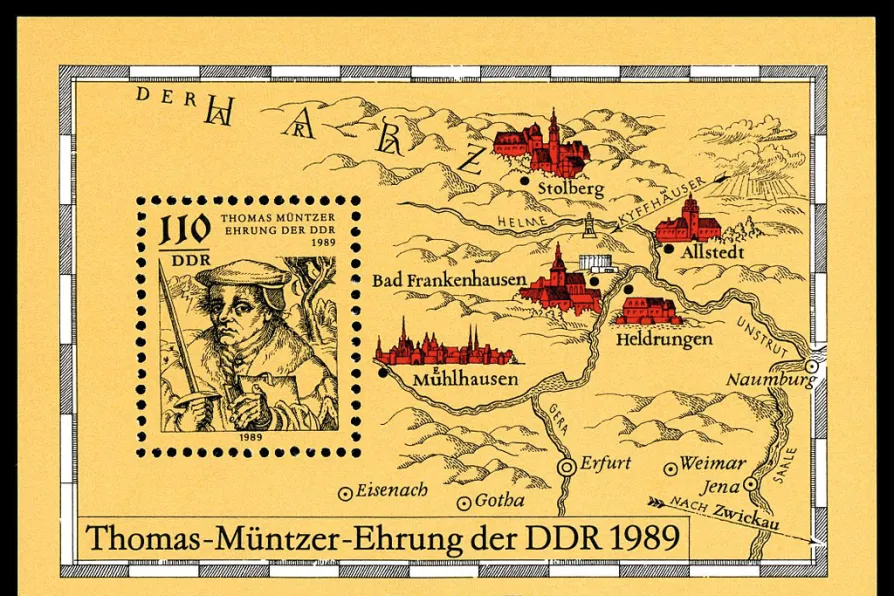
NICK MATTHEWS recalls how the ideals of socialism and the holding of goods in common have an older provenance than you might think
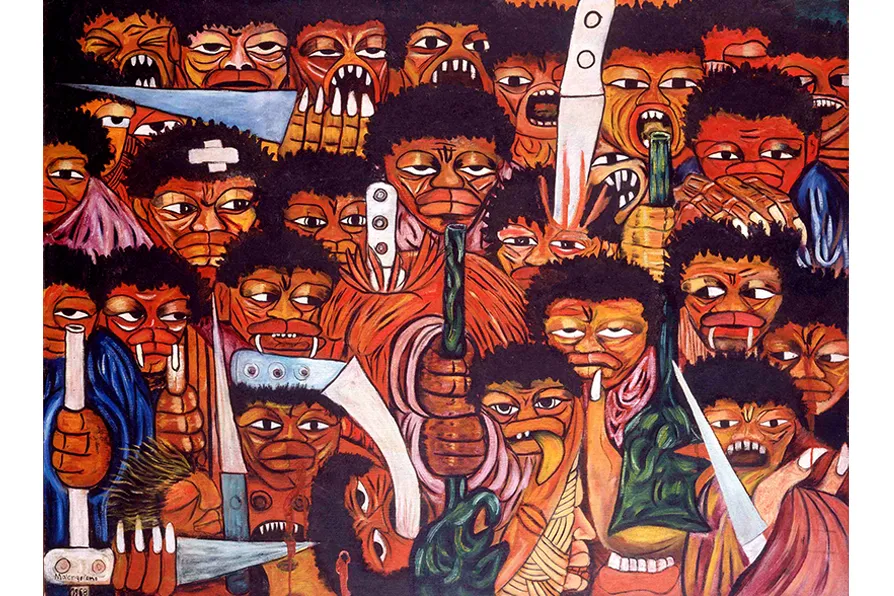
JOHN GREEN welcomes a remarkable study of Mozambique’s most renowned contemporary artist