To rescue Kahlo from the clutches of the corporate art market, we need to acknowledge the overt and covert political dimensions of the work, demands GAVIN O’TOOLE


 Latest editorial
Theodore Gericault's The Raft of the Medusa
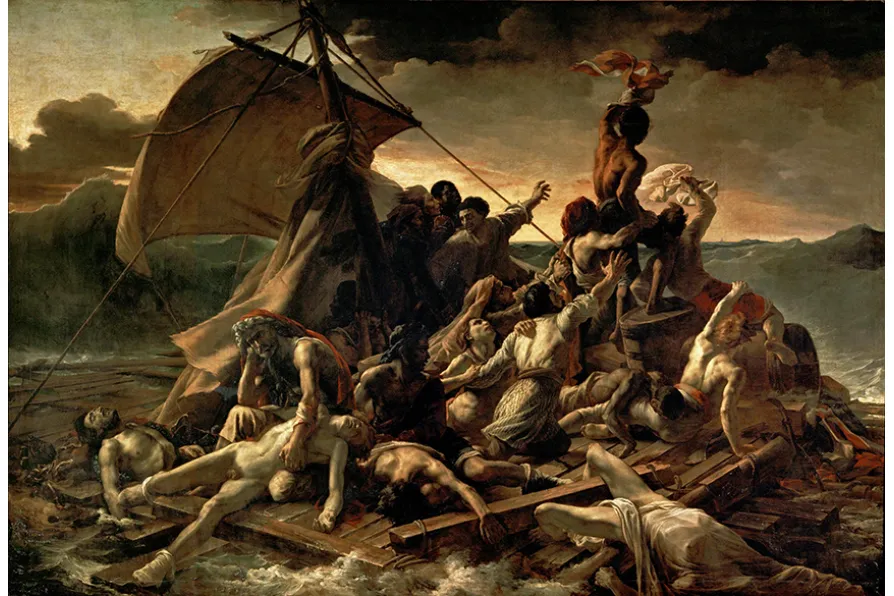 The Raft of the Medusa
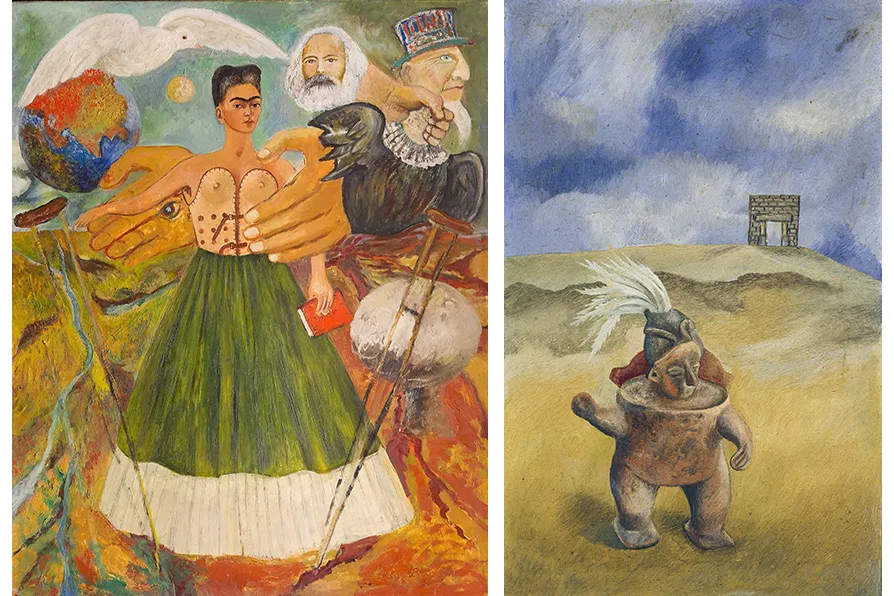
If you can see past the relentless commodification you will be rewarded by enormously powerful work, suggests JENNY MITCHELL
CHRIS SEARLE revels in the one-off collaboration between an American polymath and a British Muslim, and detects the presence of their revolutionary forebear
GORDON PARSONS revels in an ebullient production of Shakespeare’s magical comedy
BRENT CUTLER welcomes a thoughtful analysis of the Erdogan regime, viewed through the evolving history of a neighbourhood in Istanbul
GORDON PARSONS regrets the price, but is dazzled by an outstandingly ambitious study of the way art restoration in particular, and culture in general was weaponised by the Nazis





ON JULY 2, 1816, the French navy frigate Meduse ran aground 100 miles off the coast of Mauretania in Africa due to the navigational incompetence of its master Viscount Hugues Duroy de Chaumareys, a protege of the French foreign minister.
Some 147 people — for whom there was no room in the lifeboats — were put on an improvised raft to be towed. But, in a callous act of wilful and criminal negligence of duty, it was cut adrift on the orders of de Chaumareys.
Only 15 were to survive the two-week ordeal at sea before they were rescued. Immediately, stories of dehydration, starvation, brutality, murder and cannibalism emerged, when a report by the ship’s surgeon, Henri Savigny, was leaked to the newspaper Journal des Debats and published on September 13 1816.

Similar stories

NICK MATTHEWS recalls how the ideals of socialism and the holding of goods in common have an older provenance than you might think
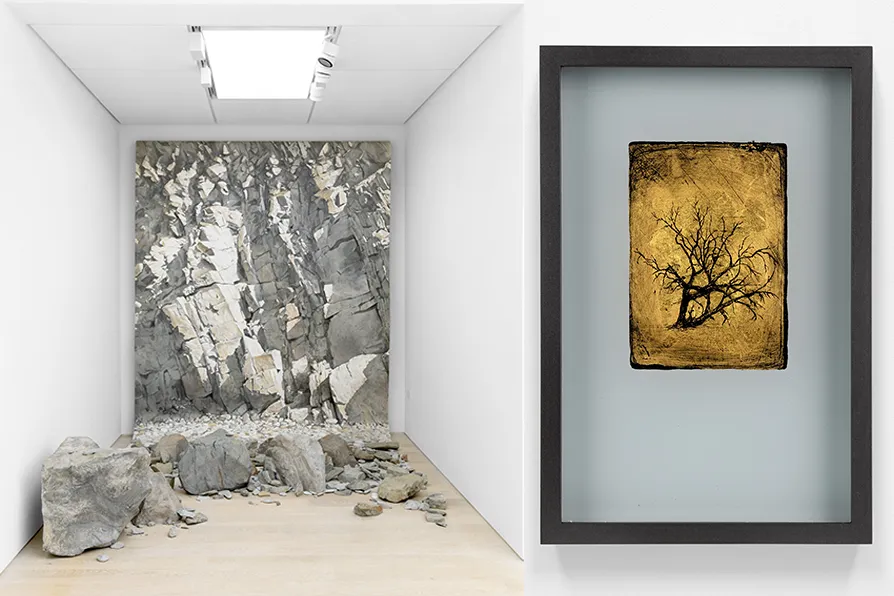
JAN WOOLF examines work that aims to give viewers a material experience of the environments in the polar north and Britain equally affected by the climate crisis
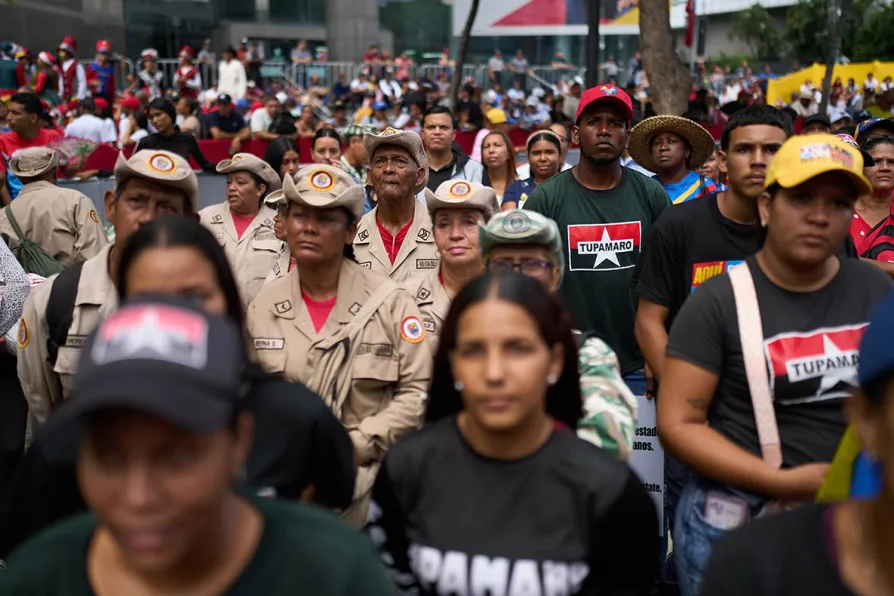
HANK KENNEDY contends that US military attacks in the Caribbean amount to modern piracy driven by Venezuela’s oil wealth