To rescue Kahlo from the clutches of the corporate art market, we need to acknowledge the overt and covert political dimensions of the work, demands GAVIN O’TOOLE


 Latest editorial
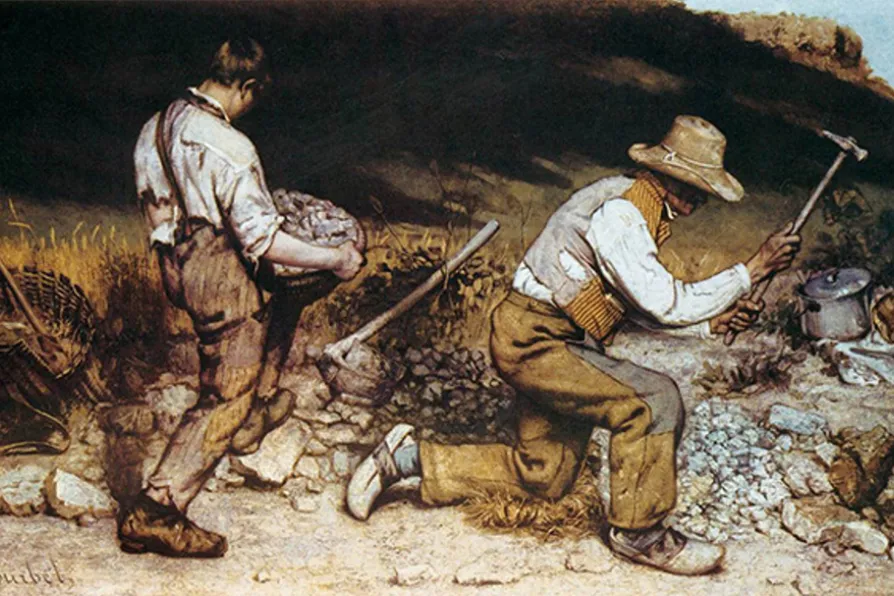
Gustave Courbet: The Stone Breakers
Painting which announced the advent of realism in European art
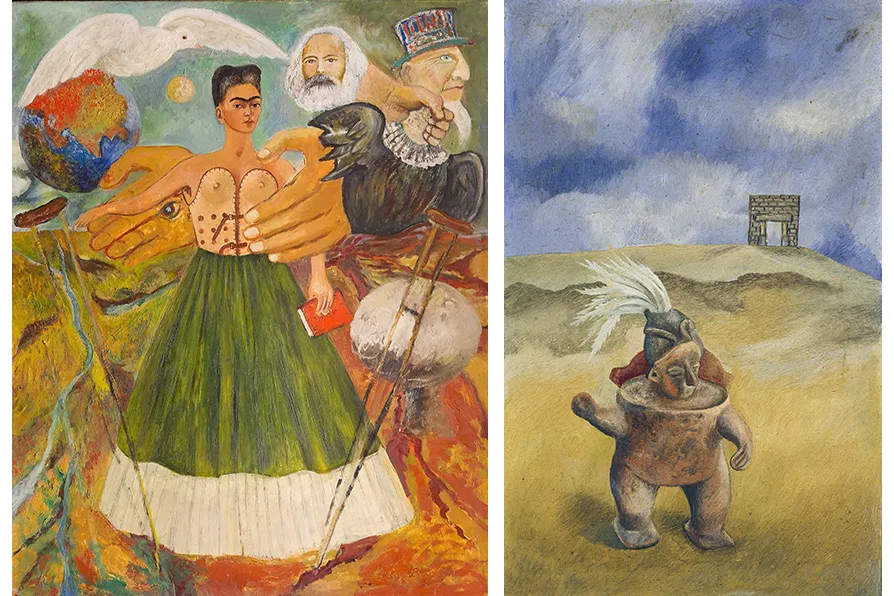
If you can see past the relentless commodification you will be rewarded by enormously powerful work, suggests JENNY MITCHELL
CHRIS SEARLE revels in the one-off collaboration between an American polymath and a British Muslim, and detects the presence of their revolutionary forebear
GORDON PARSONS revels in an ebullient production of Shakespeare’s magical comedy
BRENT CUTLER welcomes a thoughtful analysis of the Erdogan regime, viewed through the evolving history of a neighbourhood in Istanbul
GORDON PARSONS regrets the price, but is dazzled by an outstandingly ambitious study of the way art restoration in particular, and culture in general was weaponised by the Nazis





THROUGHOUT 1848, Europe was in convulsions as widespread revolutionary unrest ushered in what became known as “The Spring of Nations” and, in February that year, Karl Marx and Frederick Engels published The Communist Manifesto.
The political ferment was as wide-reaching as it was spontaneous, with unstable alliances of social strata and classes with disparate political aims that could not endure. Nevertheless, it ushered in the final transformation of an archaic and unproductive feudal serfdom into the “modern” and “efficient” capitalist labour market. But the whip was to stay, albeit wielded by a different hand.
An independent-minded, self-proclaimed republican who supported the poor and oppressed and continuously irked the ruling elites, Gustave Courbet possessed the kind of spirit needed for such a time.
Similar stories
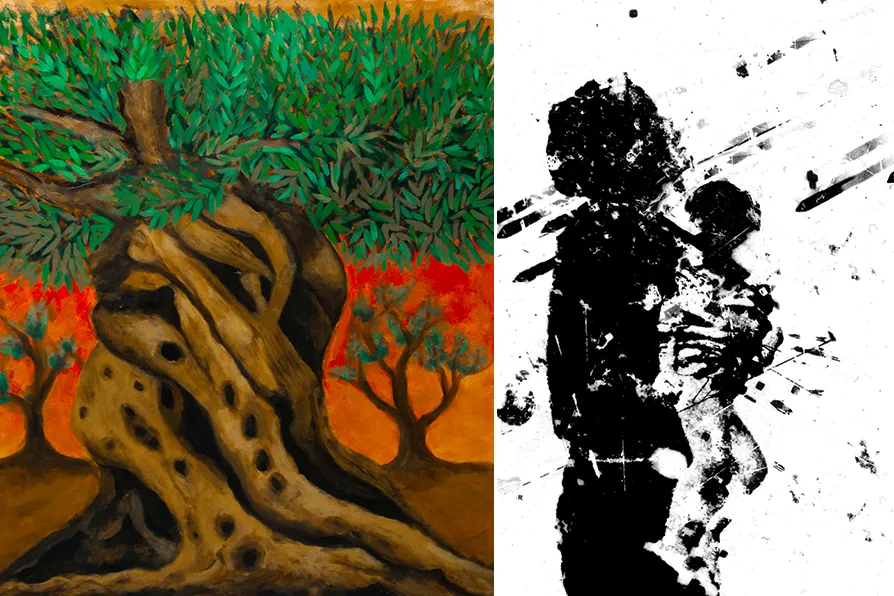
JAN WOOLF invigilates images that meditate on Palestine, and the people who witness them
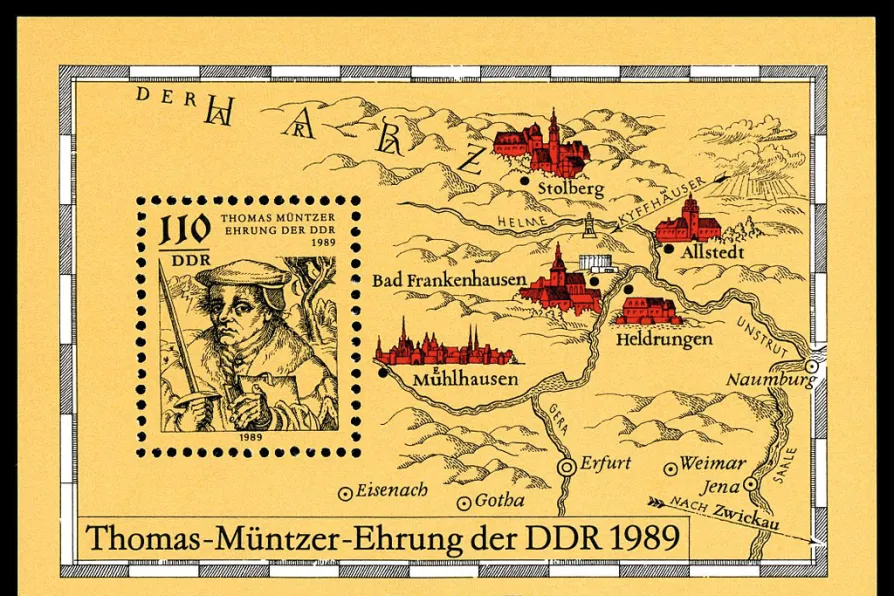
NICK MATTHEWS recalls how the ideals of socialism and the holding of goods in common have an older provenance than you might think
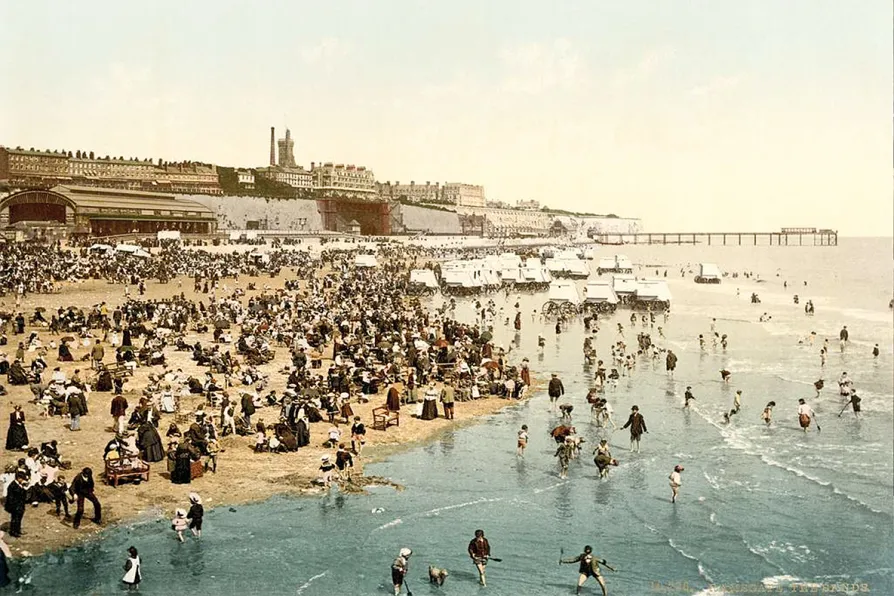
The summer saw the co-founders of modern communism travelling from Ramsgate to Neuenahr to Scotland in search of good weather, good health and good newspapers in the reading rooms, writes KEITH FLETT
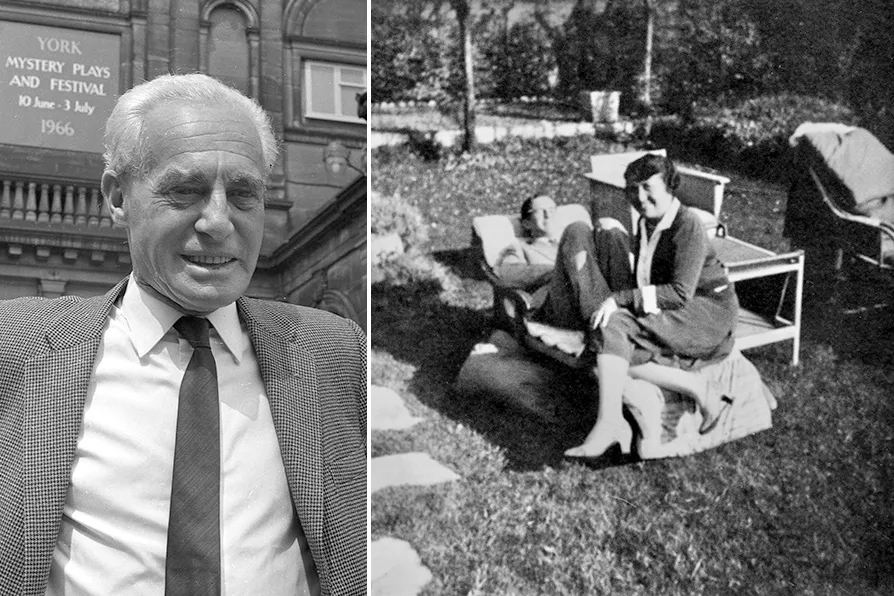
The creative imagination is a weapon against barbarism, writes KENNY COYLE, who is a keynote speaker at the Manifesto Press conference, Art in the Age of Degenerative Capitalism, tomorrow at the Marx Memorial Library & Workers School in London